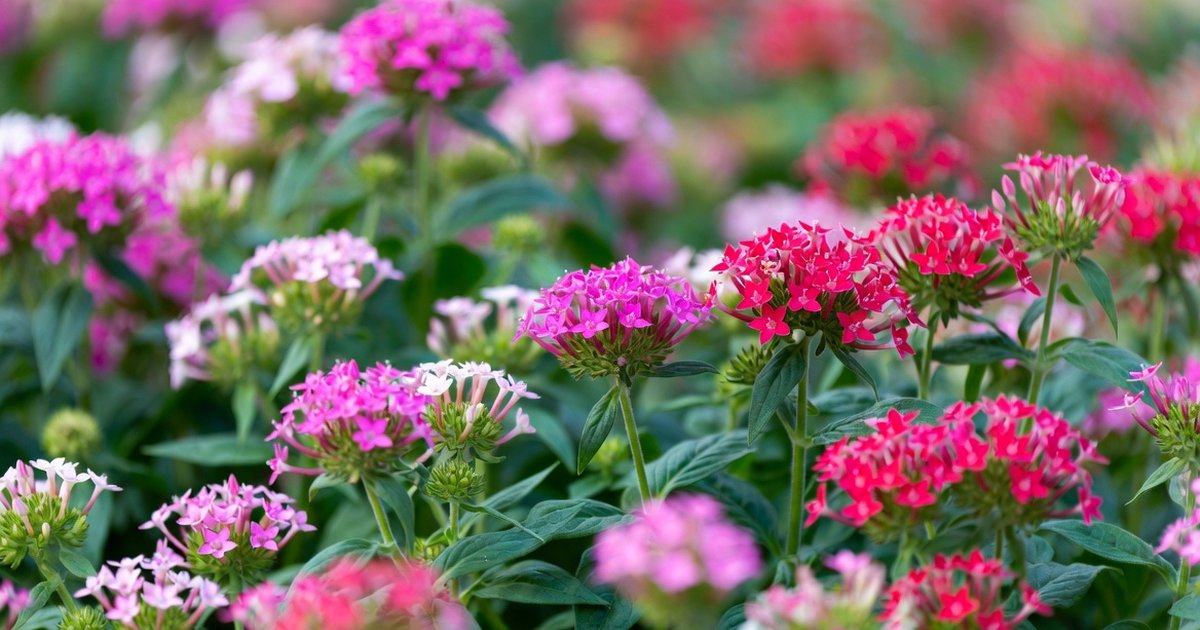
For gardeners looking to turn their patios and flower beds into pollinator magnets, few annuals perform as beautifully as pentas. Known for their clusters of star-shaped blooms and nonstop summer color, pentas bring tropical energy to Front Range gardens while thriving surprisingly well in Colorado’s dry climate and intense sunshine.
In Fort Collins, Loveland, Windsor, Greeley, and surrounding Northern Colorado communities, pentas have become increasingly popular for their ability to bloom continuously through the hottest parts of summer when many other flowering annuals begin to fade.
At [Plantorium.com](https://plantorium.com?utm_source=chatgpt.com pentas are especially prized by gardeners seeking vibrant color, hummingbird activity, and low-maintenance performance in containers and sunny landscape beds.
Why Pentas Thrive in Northern Colorado Summers
Unlike cool-season flowers that struggle once July arrives, pentas love heat.
Native to tropical regions of Africa and Arabia, pentas are naturally adapted to warm temperatures, bright sun, and relatively dry conditions once established. That makes them remarkably compatible with Colorado’s sunny summer climate.
The plant produces rounded clusters of small, star-shaped flowers in shades of:
- Red
- Pink
- White
- Lavender
- Purple
These vivid blooms rise above deep green foliage and continue flowering steadily from late spring until frost.
In Front Range gardens, pentas are commonly used in:
- Patio containers
- Pollinator gardens
- Sunny flower beds
- Porch planters
- Mixed annual combinations
- Poolside landscapes
Their upright growth habit also makes them excellent “middle layer” plants in larger decorative containers.
When to Plant Pentas in Fort Collins
Because pentas are tropical annuals, timing matters.
In Fort Collins and surrounding areas, they should be planted only after all danger of frost has passed—typically around mid-May.
Cold nights can stunt growth or damage young plants, so patience usually rewards gardeners with stronger summer performance later on.
Once nighttime temperatures warm consistently, pentas establish quickly and begin producing flowers almost immediately.
Sunlight Requirements
Pentas thrive in full sun and are particularly well suited to Colorado’s high-elevation light conditions.
For the heaviest flowering, provide:
- At least six to eight hours of direct sun daily
- Good airflow around plants
- Protection from overcrowding in containers
Unlike some annuals that wilt under intense Front Range sunshine, pentas often become more vigorous as summer temperatures rise.
Too much shade usually results in reduced flowering and stretched growth.
Soil and Water Needs
Like many successful Colorado annuals, pentas prefer well-draining soil.
Heavy clay soils should be amended with compost to improve drainage and root development. For containers, a lightweight, high-quality potting mix works best.
Although pentas tolerate heat well, they still benefit from consistent watering during active summer growth.
A good rule for Northern Colorado gardeners:
- Water deeply rather than lightly
- Allow the top layer of soil to dry slightly between waterings
- Avoid constantly soggy soil
- Increase watering frequency during windy periods
Container-grown pentas may require daily monitoring during hot July afternoons, particularly on exposed patios.
Fertilizing for Nonstop Color
Pentas are prolific bloomers and respond well to regular feeding.
A balanced fertilizer every few weeks encourages continuous flowering throughout the growing season. Deadheading is usually minimal because new flower clusters naturally replace older blooms.
With proper care, pentas often remain attractive and colorful right up until the first autumn frost.
A Pollinator Powerhouse
One of the reasons pentas have become such favorites among Front Range gardeners is their extraordinary pollinator appeal.
Butterflies are especially drawn to the nectar-rich flower clusters, while hummingbirds frequently visit red and pink varieties throughout summer.
On warm afternoons, healthy pentas can become one of the busiest pollinator plants in the garden.
For gardeners building wildlife-friendly landscapes in Fort Collins and surrounding communities, pentas provide both ornamental beauty and ecological value.
Handling Colorado’s Summer Extremes
Front Range summers can be demanding, with intense sunlight, rapid temperature swings, drying winds, and occasional hailstorms.
Fortunately, pentas handle many of these challenges surprisingly well once established.
They are especially valued for:
- Heat tolerance
- Strong flowering during hot weather
- Resistance to temporary drought stress
- Continuous bloom production
- Good recovery after trimming
Their biggest weakness is cold. Even light frost will typically end the growing season.
Perfect Companion Plants
Pentas combine beautifully with many other sun-loving annuals commonly grown in Northern Colorado.
Excellent companions include:
- Angelonia
- Calibrachoa
- Sweet Potato Vine
- Verbena
- Lantana
- Eucalyptus
- Petunias
Their upright clusters of flowers contrast particularly well with trailing container plants and ornamental grasses.
Tropical Color for Colorado Gardens
Part of pentas’ charm lies in the way they bring lush, tropical color into landscapes shaped by Colorado’s rugged climate.
In Fort Collins gardens, they soften patios, energize containers, and create a sense of abundance during the peak of summer.
For gardeners seeking a dependable annual that blooms tirelessly, attracts pollinators, and handles Front Range sunshine with ease, pentas remain one of the most rewarding choices available.
Explore seasonal availability and additional flowering annuals at [Plantorium.com’s full plant catalog](https://plantorium.com/all-plants/?utm_source=chatgpt.com
Facts Only
Pentas are tropical annuals native to Africa and Arabia, known for star-shaped flowers in red, pink, white, lavender, and purple.
They thrive in Northern Colorado’s dry, sunny climate, particularly in Fort Collins, Loveland, Windsor, Greeley, and surrounding areas.
Pentas bloom continuously from late spring until frost, attracting butterflies and hummingbirds.
They are commonly used in patio containers, pollinator gardens, sunny flower beds, and mixed annual combinations.
Planting should occur after the last frost, typically around mid-May in Northern Colorado.
Pentas require at least six to eight hours of direct sun daily and well-draining soil.
They benefit from consistent watering, especially in containers during hot summer months.
Regular fertilization encourages continuous flowering throughout the growing season.
Pentas are heat-tolerant but vulnerable to frost, which ends their growing season.
Companion plants include angelonia, calibrachoa, sweet potato vine, verbena, lantana, eucalyptus, and petunias.
Pentas are available for purchase at Plantorium.com, a plant retailer mentioned in the article.
Executive Summary
Full Take
This article presents pentas as an ideal solution for Northern Colorado gardeners seeking low-maintenance, pollinator-friendly plants that thrive in the region’s challenging climate. The narrative emphasizes their tropical origins, heat tolerance, and continuous blooming, positioning them as a superior choice over other annuals that fade in summer. While the claims about their adaptability and pollinator appeal are well-supported by horticultural knowledge, the article leans heavily into promotional language, particularly with the repeated mention of Plantorium.com. This raises questions about whether the piece is purely informational or subtly commercial.
The pattern of framing pentas as a near-perfect plant for the region, with minimal discussion of potential drawbacks (e.g., frost sensitivity or specific pest vulnerabilities), aligns with a common marketing tactic of highlighting benefits while downplaying limitations. The inclusion of a direct link to a retailer further suggests a possible commercial motive, though the content itself remains factually accurate.
Root cause: The narrative taps into the growing trend of pollinator-friendly gardening and the desire for low-effort, high-reward plants in arid climates. It assumes that readers prioritize aesthetics and ecological benefits over potential challenges like watering needs or frost risks.
Implications: For gardeners, pentas offer a practical and visually appealing option, but the article’s enthusiastic tone may oversimplify their care requirements. The ecological benefits are real, but the commercial undertones could influence perceptions of objectivity.
Bridge questions: How do pentas compare to native Colorado plants in terms of water usage and pollinator support? What are the long-term ecological impacts of introducing non-native species like pentas into local gardens? Would a side-by-side comparison with other drought-tolerant annuals provide a more balanced perspective?
Counterstrike scan: If this were part of a coordinated campaign, it would likely emphasize the ease and benefits of pentas while omitting any negatives, using authoritative language to build trust. The actual content matches this pattern to some degree, particularly with the retailer link, but it does not cross into outright deception. The alignment is notable but not alarming.
Patterns detected: ARC-0024 Ambiguity (downplaying limitations), ARC-0043 Motte-and-Bailey (promoting a product under the guise of general advice).
Sentinel — Human
This analysis presents structured, high-quality gardening advice that reads like expert content but exhibits stylistic consistency and predictable flow, suggesting significant AI-assisted generation intended for SEO and consumer guidance.