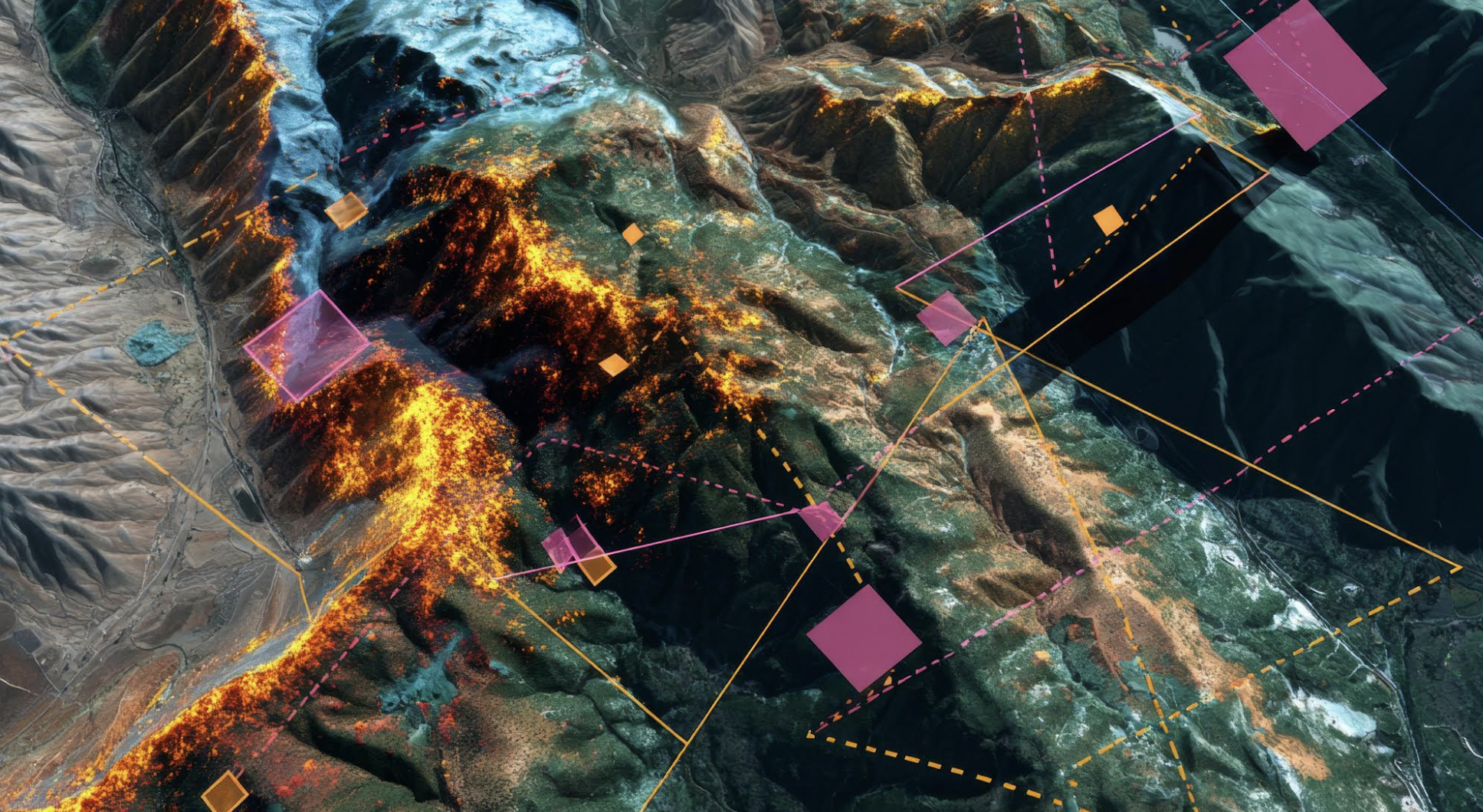
On Thursday, March 19, 2026, the MYRIAD research project officially commenced in Madrid, marking the start of a 48-month initiative funded by the European Defence Fund (EDF). Coordinated by the technology group GMV, the project aims to revolutionize satellite imagery analysis by integrating advanced artificial intelligence (AI) with multi-source remote sensing data to bolster European Union strategic defense and surveillance capabilities.
The consortium brings together nine European partners specializing in applied research, geospatial analysis, and space technologies. With a budget of approximately €5 million, the project is designed to enhance the accuracy and speed of intelligence processing, directly addressing the growing volume of data generated by modern Earth observation (EO) constellations.
Strategic Context: Strengthening Technological Sovereignty
The launch of MYRIAD comes at a time when the European Union is aggressively pursuing “Technological Sovereignty” to reduce reliance on non-European geospatial intelligence (GEOINT) and automated analysis tools. By developing indigenous AI algorithms and standards, the project aims to ensure that Member States maintain autonomous access to high-fidelity intelligence.
GMV, which reported provisional 2025 revenues of €530 million, leads the technical specification and implementation workflow. This role leverages GMV’s position as a global leader in satellite ground segments and command-and-control systems. The project’s architecture is specifically designed to be compatible with the existing infrastructure of the European Union Satellite Centre (SatCen), ensuring a clear path from research to operational deployment.
Technical Focus: Multi-Sensor Fusion and Edge Processing
MYRIAD’s technical roadmap focuses on three primary pillars: the development of AI-driven optical and radar (SAR) analysis, performance validation, and real-world operational demonstrations. Key technical objectives include:
- Multi-Source Fusion: Combining data from diverse sensors to improve object detection under adverse conditions, including heavy cloud cover, darkness, or active camouflage.
- Radiometric Calibration: Utilizing specialized sensors to ensure data consistency across different satellite platforms.
- Explainable AI (XAI): Implementing transparency and traceability modules so that defense analysts can understand algorithm conclusions, thereby minimizing bias and increasing trust in automated results.
Reducing the Analyst Workload
In modern defense environments, the sheer volume of satellite data has outpaced the capacity of human analysts. MYRIAD seeks to create an “Actionable Intelligence Stack” that automates repetitive tasks, such as monitoring critical infrastructure or detecting anomaly patterns in large datasets.
By reducing false positives and negatives through the fusion of radar and optical data, the system allows analysts to focus on high-level strategic decision-making rather than manual data sorting. This approach is intended to significantly accelerate the “sensor-to-shooter” or “sensor-to-decision” loop.
Four Annual Innovation Cycles
The project will evolve through four annual innovation cycles, incorporating direct feedback from a dedicated group of experts from European Ministries of Defence. This iterative approach ensures that the technology remains relevant to evolving battlefield requirements.
The final operational demonstrations and validation are expected to conclude in early 2030. Success in these trials will likely set the standard for future AI integration across European defense space programs, fostering a more competitive and autonomous industrial ecosystem within the EU.
Facts Only
* The MYRIAD project commenced on March 19, 2026, in Madrid.
* It is a 48-month initiative funded by the European Defence Fund (EDF).
* The project’s coordinator is GMV.
* Approximately €5 million is the project’s budget.
* Nine European partners are involved.
* The project aims to integrate AI with multi-source remote sensing data.
* It seeks to bolster European Union strategic defense and surveillance capabilities.
* The project is aligned with the EU’s Technological Sovereignty goals.
* Key technical objectives include multi-source fusion and explainable AI.
* The system is designed for compatibility with the European Union Satellite Centre (SatCen).
* Provisional 2025 revenues for GMV are €530 million.
Executive Summary
Full Take
The launch of MYRIAD represents a calculated move by the EU to establish a foothold in a strategically vital domain – geospatial intelligence – traditionally dominated by the US and other global powers. Framing this as “Technological Sovereignty” isn’t just about technical capability; it’s a political statement about control and autonomy. The deliberate selection of GMV, a company already deeply embedded in European satellite infrastructure, suggests a desire for a “trusted” supplier, minimizing dependence on potentially adversarial actors. However, the project’s reliance on AI, specifically “explainable AI (XAI),” reveals a recognition of the inherent opacity and potential biases within these systems – a crucial acknowledgement, but also a point of vulnerability. The four annual innovation cycles, driven by European Ministries of Defence, promise iterative refinement, but also create a channel for potentially subtle influence, shaping the evolution of the system to align with specific military priorities. The projected 2030 demonstration date is a significant horizon, representing a considerable risk if the technology fails to deliver on its ambitious promises, potentially delaying further EU investment in this critical area. The focus on reducing analyst workload highlights a fundamental shift in defense – moving beyond human interpretation towards automated decision-making, raising questions about the future role of human analysts and the potential for unforeseen consequences.
Patterns detected: ARC-0024 Ambiguity (The project’s stated goal of “strengthening technological sovereignty” could be interpreted as a strategic retreat from open collaboration, potentially isolating the EU in its technological development).
Sentinel — Likely Human
This report details the launch of the MYRIAD project, an EU-funded initiative focused on AI-enhanced satellite imagery analysis. While presenting a logically structured account, the text demonstrates certain tendencies toward formulaic phrasing and a cautious, somewhat detached tone, leaning towards likely human authorship.