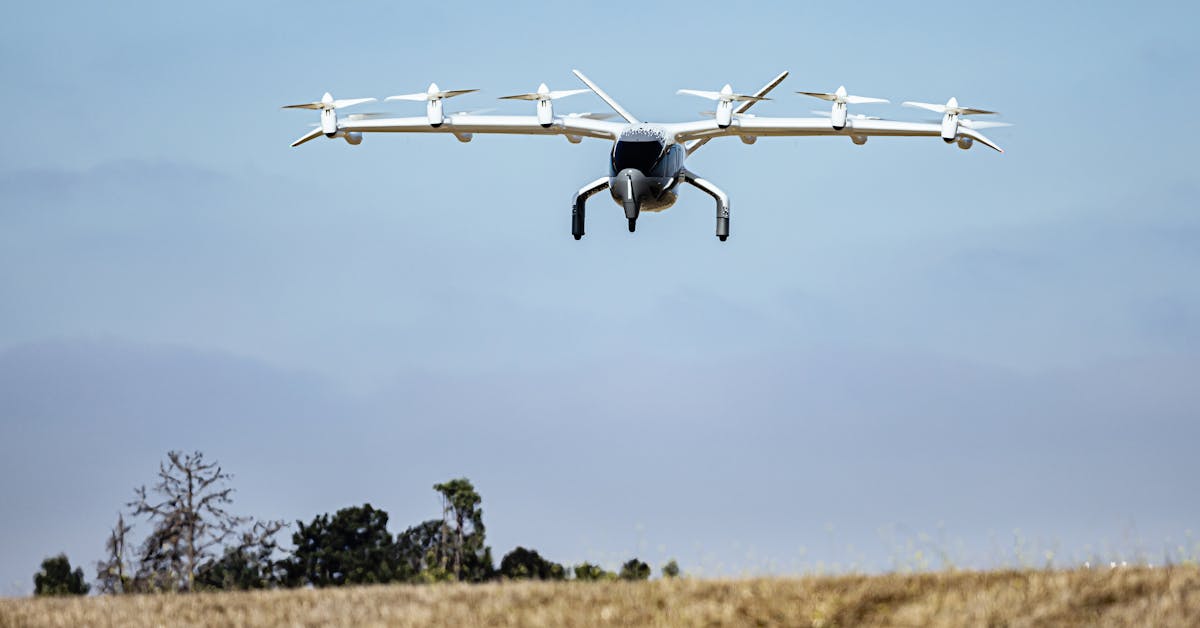
Hopscotch Air will provide Archer Aviation air taxi operator input as the OEM moves forward on its regional air mobility plans.
Hopscotch Air, Inc. and Archer Aviation plan to explore and test concepts that could support future air taxi operations.
Air taxi Hopscotch Air is providing input based on its experience as a regional air mobility operator.
It will help Archer evaluate potential technologies that may support its future air taxi plans.
Hopscotch Air executives, operations, and flight teams have been engaging with Archer.
They have been reviewing existing operating models and testing future mobility concepts.
Hopscotch Air will also share feedback on the practical needs of air mobility operators.
The operator’s CEO, Andrew Schmertz, said, “As an operator with deep experience in
regional air mobility, we believe there is real value in testing ideas and sharing practical operating insight that could help inform how this market develops.”
Hopscotch Air operates around 1,400 revenue legs annually on its fleet of SR22 aircraft, primarily in the Boston-New York corridor.
Hopscotch Air had previously revealed its plans to collaborate with Archer Aviation in its December 2025 SEC filing as part of its $20 million fundraising.
Facts Only
Hopscotch Air, Inc. is collaborating with Archer Aviation to explore concepts for future air taxi operations.
Hopscotch Air operates approximately 1,400 revenue flights annually, primarily in the Boston-New York corridor.
Hopscotch Air uses a fleet of SR22 aircraft for its operations.
The collaboration involves Hopscotch Air’s executives, operations, and flight teams engaging with Archer Aviation.
The partnership includes reviewing existing operating models and testing future mobility concepts.
Hopscotch Air will provide feedback on the practical needs of air mobility operators.
Hopscotch Air’s CEO, Andrew Schmertz, stated that testing ideas and sharing operational insights could help inform the development of the air taxi market.
The collaboration was disclosed in Hopscotch Air’s December 2025 SEC filing.
The SEC filing was part of Hopscotch Air’s $20 million fundraising effort.
Archer Aviation is an OEM (Original Equipment Manufacturer) focusing on regional air mobility plans.
Executive Summary
Hopscotch Air, a regional air mobility operator, is collaborating with Archer Aviation to explore and test concepts for future air taxi operations. The partnership leverages Hopscotch’s operational experience, particularly in the Boston-New York corridor, where it conducts around 1,400 revenue flights annually using SR22 aircraft. Hopscotch’s executives, operations, and flight teams are actively engaging with Archer to review existing operating models and assess potential technologies that could support Archer’s regional air mobility plans. The collaboration was disclosed in Hopscotch’s December 2025 SEC filing, which also mentioned a $20 million fundraising effort. Hopscotch’s CEO, Andrew Schmertz, emphasized the value of sharing practical insights to shape the emerging air taxi market. While the partnership is still in exploratory phases, it reflects broader industry efforts to integrate traditional aviation expertise with next-generation mobility solutions.
The initiative highlights the growing intersection between established regional operators and emerging electric vertical takeoff and landing (eVTOL) developers. However, the long-term viability of such partnerships remains uncertain, as regulatory, technological, and market challenges persist. Both companies appear to view this collaboration as a strategic step toward refining operational frameworks for future air taxi services.
Full Take
This collaboration between Hopscotch Air and Archer Aviation reflects a broader industry trend where traditional aviation operators are partnering with eVTOL developers to bridge the gap between legacy systems and emerging technologies. The strongest version of this narrative is that it represents a pragmatic step toward integrating real-world operational expertise into the design and deployment of air taxis, potentially accelerating adoption by addressing practical challenges early.
However, the pattern scan reveals a subtle appeal to authority (ARC-0012 Borrowed Credibility) in how Hopscotch’s experience is framed as inherently valuable for Archer’s plans. While the partnership is logical, the narrative assumes that regional aviation insights will seamlessly translate to eVTOL operations—a premise that may overlook fundamental differences in infrastructure, regulation, and passenger expectations. The root cause here is the tension between innovation and operational realism: eVTOL developers need credibility, while traditional operators seek relevance in a disruptive market.
The implications for human agency are mixed. If successful, such partnerships could democratize urban mobility, but they also risk consolidating control under a few well-funded players. Second-order consequences may include regulatory capture, where incumbents shape rules to favor their hybrid models over pure-play eVTOL startups. Who benefits? Investors and early adopters. Who bears costs? Smaller operators and communities priced out of premium mobility solutions.
Bridge questions: How might the operational demands of eVTOLs differ from traditional aircraft in ways that Hopscotch’s experience doesn’t address? What regulatory hurdles could undermine this collaboration’s goals? Would this partnership still make sense if eVTOL adoption stalls due to public skepticism or infrastructure delays?
Counterstrike scan: A coordinated influence campaign might exaggerate the partnership’s significance to boost investor confidence in Archer or Hopscotch, framing it as a guaranteed path to market dominance. However, the content here is measured, focusing on exploratory collaboration rather than overpromising outcomes. No structural alignment with manipulation patterns is detected.