By — Vidya Mani, The Conversation Vidya Mani, The Conversation Leave your feedback Share Copy URL https://www.pbs.org/newshour/economy/soaring-gas-prices-and-supply-chain-disruptions-drive-up-costs-across-the-economy Email Facebook Twitter LinkedIn Pinterest Tumblr Share on Facebook Share on Twitter Soaring gas prices and supply chain disruptions drive up costs across the economy Economy Mar 28, 2026 3:44 PM EDT This article originally appeared on The Conversation The disruptions from the U.S. and Israeli attacks on Iran spread quickly to commercial aircraft, shipping lanes and the world's energy supply. Those repercussions have already hit fuel costs, including for motorists, truckers and fishermen, and are set to spread even more widely, to packaging, household goods, appliances, medicines and electronics. READ MORE: Divided on so many things, Americans find unity in frustration at higher gas prices I study global supply chains and how they interconnect and depend on each other around the world. There are several ways in which U.S. consumers will begin to feel the pinch of the war. Some of those effects have to do with domestic commerce, and some are a result of the interwoven nature of global trade, where raw materials from one place are shipped somewhere they are manufactured into specific items that are then transported to consumers. Many products are shipped by truck in the U.S., and diesel fuel is more expensive now. Photo by Caitlin Ochs via Reuters. Rising costs in the U.S. There are three main categories in which costs will begin to rise. Fuel shortages and freight surcharges: From March 2-16, 2026, the average nationwide price of U.S. regular gasoline rose from US$3.01 to $3.96 per gallon, while diesel fuel rose from $3.89 to $5.37. Diesel prices matter to consumer costs because diesel engines power trucks, farm machines, construction equipment, fishing vessels and many of the vehicles that carry domestic freight. When items become more expensive to harvest, build and ship, diesel costs spread quickly into grocery, household and building material prices. Chemicals, fertilizer and packaging: QatarEnergy has said Iranian attacks on the world's largest liquefied natural gas export plant at Ras Laffan and another plant in Mesaieed, both in Qatar, forced the company to stop producing LNG and associated products on March 2. Two days later, the company declared that it could not fulfill its contracts due to extreme external pressures that would require many years to recover from. The affected products included urea, polymers and methanol, used to make fertilizer, plastics, detergents, packaging and other consumer goods. Reduced production and closed transit routes are also affecting supplies of aluminum and helium produced in the Gulf countries. READ MORE: Should drivers turn to EVs as the war spikes gas prices? Here's what to know Factory slowdowns abroad: When shipping slows and energy costs rise, factories abroad face higher operating costs. As a result they ration production, diverting energy supplies to producing a narrow range of high-value products that can absorb these costs. Diversions of shipment traffic and fewer transportation routes lead to delivery delays. Economic research shows that shipping-cost increases also raise import prices, producer costs and consumer inflation. Air cargo and delivery delays: Early in the conflict, several countries, including Qatar, Bahrain, Kuwait and the United Arab Emirates, closed their airspace to all traffic. Later advisories warned of risks to planes over neighboring countries as well, except for limited corridors. Those closures affected 20% of global air cargo capacity, raising the risk of delays for higher-value cargo such as medicines, aircraft components and electronics. Global disruptions About 80% of the oil and 90% of the LNG moving through the Strait of Hormuz, between the Persian Gulf and the Gulf of Oman, is destined for Asian markets. With strait shipments stopped, consumer electronics and manufacturing hubs in China, Japan, Taiwan and South Korea are drawing on their energy reserves and inventories. But those supplies will run out in a few months. Reduced manufacturing capacity can be expected to cause shortages and higher costs for textiles, chemicals, consumer goods, electronics, appliances, auto parts and fertilizer-intensive industries. READ MORE: Oil and gas prices rise rapidly as Iran war escalates Europe is less directly dependent than Asia on Hormuz shipments, but it is still vulnerable to high LNG prices, increased shipping costs and diesel fuel shortages. Europe has also already faced shortages of heating oil and other fuels as a result of Russia's war on Ukraine. The strait carried about 7% of Europe's LNG inflows in 2025, and higher costs for energy, ship fuel, freight and insurance can ripple through global trade. For the U.S., that matters because Europe supplies industrial equipment, precision components, medical technology and specialty chemicals sold to businesses and directly to consumers. African economies are especially exposed to fuel and fertilizer shocks. Large volumes of fertilizer pass through Hormuz, and higher energy and fertilizer prices threaten crop yields and food systems across most of Africa. As a result, U.S. prices can rise for coffee and chocolate – much of which originates in Africa – as well as critical minerals for electric vehicles, energy storage and high-tech equipment. Grocery prices are affected by costs of fuel and fertilizer. File photo by Carlos Osorio via Reuters. Coming home to Americans This war is not a distant geopolitical shock for U.S. households. It reaches everyday life through fuel, freight, fertilizer, petrochemicals and global supply chains through factories that produce consumer goods. Some mitigation is possible: 32 nations will be releasing more than 400 million barrels of oil to the global market over the next few months. There are pipelines and alternative ports in Saudi Arabia and the United Arab Emirates that, if they remain undamaged and uninterrupted, can handle potentially 40% of the 20 billion barrels per day that was passing through the Strait of Hormuz. Combined with a temporary easing of sanctions on Russian oil, limited shipments to India and China through the Strait of Hormuz and the March 23 announcement of a five-day pause on U.S. and Israeli strikes on Iran, it is possible to head off the worst-case scenario. But these measures cannot fully replace the strait's normal oil and LNG shipment volume. And if oil production, refining and shipment locations continue to be targeted, recovery can be expected to stretch into many months. The likely result is broader inflation, prolonged shortages and longer waits for goods of all sorts, including food and packaging as well as electronics and appliances. This article is republished from The Conversation under a Creative Commons license. Read the original article. A free press is a cornerstone of a healthy democracy. Support trusted journalism and civil dialogue. Donate now By — Vidya Mani, The Conversation Vidya Mani, The Conversation Vidya Mani is an associate professor of business administration at the University of Virginia and Cornell University.
This article originally appeared on The Conversation The disruptions from the U.S. and Israeli attacks on Iran spread quickly to commercial aircraft, shipping lanes and the world's energy supply. Those repercussions have already hit fuel costs, including for motorists, truckers and fishermen, and are set to spread even more widely, to packaging, household goods, appliances, medicines and electronics. READ MORE: Divided on so many things, Americans find unity in frustration at higher gas prices I study global supply chains and how they interconnect and depend on each other around the world. There are several ways in which U.S. consumers will begin to feel the pinch of the war. Some of those effects have to do with domestic commerce, and some are a result of the interwoven nature of global trade, where raw materials from one place are shipped somewhere they are manufactured into specific items that are then transported to consumers. Many products are shipped by truck in the U.S., and diesel fuel is more expensive now. Photo by Caitlin Ochs via Reuters. Rising costs in the U.S. There are three main categories in which costs will begin to rise. Fuel shortages and freight surcharges: From March 2-16, 2026, the average nationwide price of U.S. regular gasoline rose from US$3.01 to $3.96 per gallon, while diesel fuel rose from $3.89 to $5.37. Diesel prices matter to consumer costs because diesel engines power trucks, farm machines, construction equipment, fishing vessels and many of the vehicles that carry domestic freight. When items become more expensive to harvest, build and ship, diesel costs spread quickly into grocery, household and building material prices. Chemicals, fertilizer and packaging: QatarEnergy has said Iranian attacks on the world's largest liquefied natural gas export plant at Ras Laffan and another plant in Mesaieed, both in Qatar, forced the company to stop producing LNG and associated products on March 2. Two days later, the company declared that it could not fulfill its contracts due to extreme external pressures that would require many years to recover from. The affected products included urea, polymers and methanol, used to make fertilizer, plastics, detergents, packaging and other consumer goods. Reduced production and closed transit routes are also affecting supplies of aluminum and helium produced in the Gulf countries. READ MORE: Should drivers turn to EVs as the war spikes gas prices? Here's what to know Factory slowdowns abroad: When shipping slows and energy costs rise, factories abroad face higher operating costs. As a result they ration production, diverting energy supplies to producing a narrow range of high-value products that can absorb these costs. Diversions of shipment traffic and fewer transportation routes lead to delivery delays. Economic research shows that shipping-cost increases also raise import prices, producer costs and consumer inflation. Air cargo and delivery delays: Early in the conflict, several countries, including Qatar, Bahrain, Kuwait and the United Arab Emirates, closed their airspace to all traffic. Later advisories warned of risks to planes over neighboring countries as well, except for limited corridors. Those closures affected 20% of global air cargo capacity, raising the risk of delays for higher-value cargo such as medicines, aircraft components and electronics. Global disruptions About 80% of the oil and 90% of the LNG moving through the Strait of Hormuz, between the Persian Gulf and the Gulf of Oman, is destined for Asian markets. With strait shipments stopped, consumer electronics and manufacturing hubs in China, Japan, Taiwan and South Korea are drawing on their energy reserves and inventories. But those supplies will run out in a few months. Reduced manufacturing capacity can be expected to cause shortages and higher costs for textiles, chemicals, consumer goods, electronics, appliances, auto parts and fertilizer-intensive industries. READ MORE: Oil and gas prices rise rapidly as Iran war escalates Europe is less directly dependent than Asia on Hormuz shipments, but it is still vulnerable to high LNG prices, increased shipping costs and diesel fuel shortages. Europe has also already faced shortages of heating oil and other fuels as a result of Russia's war on Ukraine. The strait carried about 7% of Europe's LNG inflows in 2025, and higher costs for energy, ship fuel, freight and insurance can ripple through global trade. For the U.S., that matters because Europe supplies industrial equipment, precision components, medical technology and specialty chemicals sold to businesses and directly to consumers. African economies are especially exposed to fuel and fertilizer shocks. Large volumes of fertilizer pass through Hormuz, and higher energy and fertilizer prices threaten crop yields and food systems across most of Africa. As a result, U.S. prices can rise for coffee and chocolate – much of which originates in Africa – as well as critical minerals for electric vehicles, energy storage and high-tech equipment. Grocery prices are affected by costs of fuel and fertilizer. File photo by Carlos Osorio via Reuters. Coming home to Americans This war is not a distant geopolitical shock for U.S. households. It reaches everyday life through fuel, freight, fertilizer, petrochemicals and global supply chains through factories that produce consumer goods. Some mitigation is possible: 32 nations will be releasing more than 400 million barrels of oil to the global market over the next few months. There are pipelines and alternative ports in Saudi Arabia and the United Arab Emirates that, if they remain undamaged and uninterrupted, can handle potentially 40% of the 20 billion barrels per day that was passing through the Strait of Hormuz. Combined with a temporary easing of sanctions on Russian oil, limited shipments to India and China through the Strait of Hormuz and the March 23 announcement of a five-day pause on U.S. and Israeli strikes on Iran, it is possible to head off the worst-case scenario. But these measures cannot fully replace the strait's normal oil and LNG shipment volume. And if oil production, refining and shipment locations continue to be targeted, recovery can be expected to stretch into many months. The likely result is broader inflation, prolonged shortages and longer waits for goods of all sorts, including food and packaging as well as electronics and appliances. This article is republished from The Conversation under a Creative Commons license. Read the original article. A free press is a cornerstone of a healthy democracy. Support trusted journalism and civil dialogue. Donate now
Facts Only
The U.S. and Israel conducted attacks on Iran, leading to disruptions in commercial aircraft, shipping lanes, and global energy supply.
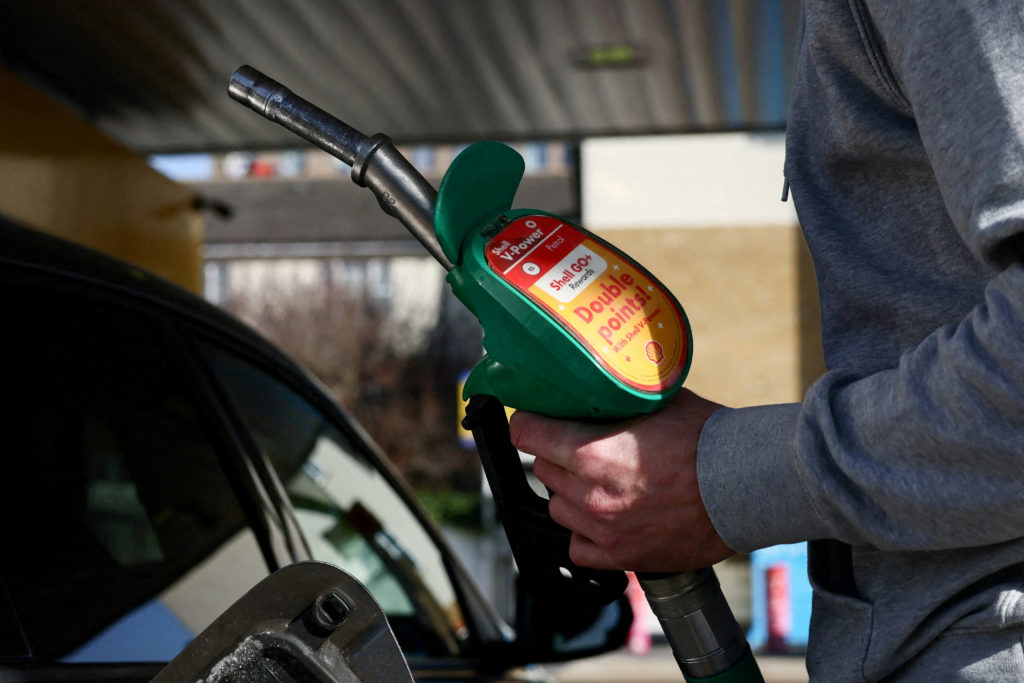
From March 2-16, 2026, U.S. regular gasoline prices rose from $3.01 to $3.96 per gallon, and diesel fuel increased from $3.89 to $5.37 per gallon.
Iranian attacks on Qatar’s LNG export plants at Ras Laffan and Mesaieed forced QatarEnergy to halt production of LNG, urea, polymers, and methanol on March 2, 2026.
QatarEnergy declared it could not fulfill contracts due to extreme external pressures, with recovery expected to take years.
Airspace closures in Qatar, Bahrain, Kuwait, and the UAE affected 20% of global air cargo capacity.
The Strait of Hormuz, which carries 80% of oil and 90% of LNG to Asian markets, saw halted shipments, threatening energy reserves in China, Japan, Taiwan, and South Korea.
Europe, which received 7% of its LNG inflows through the Strait of Hormuz in 2025, faces higher energy and shipping costs.
African economies are vulnerable to fertilizer shortages, with potential impacts on crop yields and food systems.
32 nations plan to release over 400 million barrels of oil to mitigate shortages.
Alternative ports in Saudi Arabia and the UAE could handle up to 40% of the 20 billion barrels per day previously moving through the Strait of Hormuz.
A five-day pause on U.S. and Israeli strikes on Iran was announced on March 23, 2026.
Executive Summary
Full Take
The strongest version of this narrative highlights the interconnected fragility of global supply chains and the cascading economic consequences of geopolitical conflict. The analysis credibly traces how disruptions in energy and shipping lanes translate into tangible costs for consumers, from fuel prices to grocery bills, without overstating the case. It acknowledges mitigation efforts—such as strategic oil releases and alternative routes—while realistically assessing their limitations.
Pattern scan: The piece avoids overt manipulation but leans into a framing of inevitability—"broader inflation, prolonged shortages, and longer waits for goods"—which could subtly amplify anxiety without sufficient counterweight. The focus on consumer pain points (gas prices, grocery costs) risks emotional exploitation, though it stops short of outright fear-mongering. No false binaries or strawmanning are present, but the absence of voices questioning the premise of supply chain vulnerability could be seen as a mild form of authority games (ARC-0012 Appeal to Unchallenged Expertise).
Root cause: The narrative assumes that globalized just-in-time supply chains are inherently brittle, a paradigm reinforced by recent crises (COVID-19, Ukraine war). The unstated assumption is that energy and trade routes are irrevocably tied to Middle Eastern stability, echoing historical patterns of resource-driven conflict.
Implications: Human agency is framed as reactive—consumers bear costs while governments and corporations scramble for stopgap solutions. The second-order effects (e.g., African fertilizer shortages → U.S. food price hikes) reveal how distant conflicts localize into everyday hardship. Who benefits? Energy producers with alternative routes (Saudi Arabia, UAE) gain leverage, while consumers and small businesses absorb volatility.
Bridge questions: How might decentralized energy production (e.g., renewables) alter this dynamic? What role do speculative markets play in amplifying price shocks beyond physical shortages? Would a shift to regionalized supply chains mitigate these risks, or create new vulnerabilities?
Counterstrike scan: A coordinated influence campaign would exaggerate scarcity, blame specific actors without nuance, and omit mitigation efforts. This piece does the opposite—it presents a measured, multi-causal analysis. The closest alignment is the emphasis on consumer impact, which could be weaponized for political messaging, but the content itself remains fact-based. No structural red flags detected.