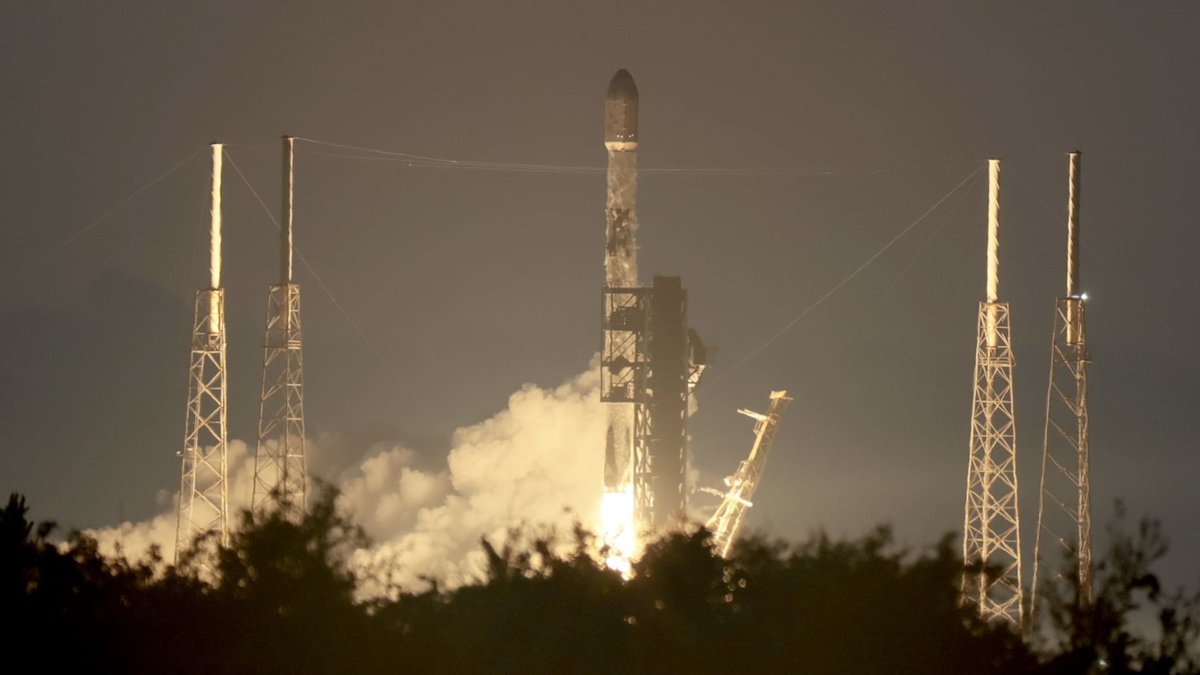
SpaceX may put other mega-cap IPOs on the fast track.
According to Kathmere Capital Management's chief investment officer, it could emerge as the ultimate blueprint for Silicon Valley — especially when it comes to the expected Anthropic and OpenAI public debuts.
"It would not surprise me at all to see a similar dynamic play out with some of these [IPOs] set to come in the months ahead," Nick Ryder told CNBC's "ETF Edge" this week.
Ryder, whose firm provides financial advice to individuals and businesses, contends market conditions will determine whether upcoming mega-cap IPOs will rip a page from SpaceX's playbook.
"We've been in… a pretty historic two- [or] three-month rally for the equity market [which] was feeding into [SpaceX]," added Ryder. "When these other mega IPOs eventually come to market the environment might be different, and so it's really hard to predict how it will be."
SpaceX, which went public on June 12 with a historic $2 trillion-plus market cap, soared 53% above its $150 opening price in just three trading days. But the big gain didn't last. As of Wednesday's close, shares of the aerospace and satellite company are up nearly 17% since the debut.
Index inclusion
Also notable: SpaceX is one of the fastest stocks to get added to major indexes. It's already in the Russell 1000. Now, it's set to be added to the Nasdaq-100 on July 6 after the market close.
Arne Noack is the FTSE Russell head of equity & multi-asset indices for the Americas. He sees the indexes themselves, rather than SpaceX, as the true blueprint for upcoming IPOs.
"As index providers, [we] have put in place a blueprint that is clearly visible for anyone… meaning there is a fast-track eligibility. If you meet certain thresholds, you're potentially eligible for index inclusion," Noack said.
Sentinel — Human
The text demonstrates the structure and precision of financial reporting with attributed expert opinions, suggesting a human journalistic origin rather than pure synthetic generation.