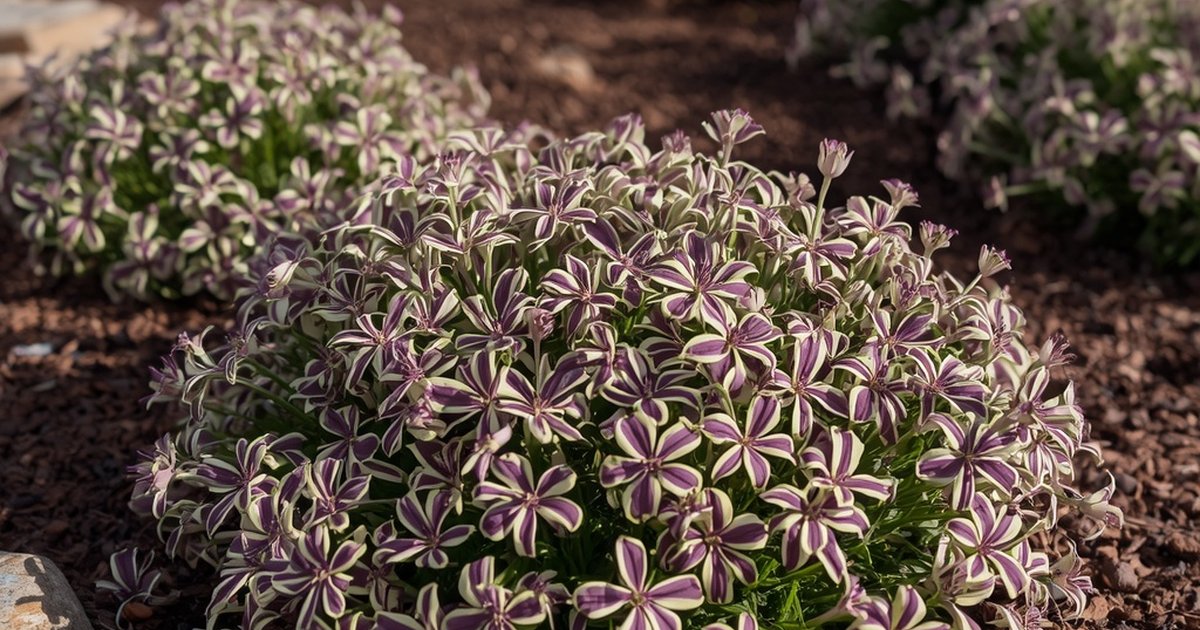
Galium, often known as sweet woodruff or bedstraw depending on the species, is one of the most graceful perennial groundcovers for shaded and partially shaded gardens. With its fine-textured foliage, delicate white flowers, and soft spreading habit, it brings a calm, woodland character to landscapes across Fort Collins and the Front Range.
In a region where many gardeners focus heavily on sun-loving xeric plants, galium offers something different: softness, subtlety, and texture for cooler garden spaces. It excels in those difficult transitional areas beneath trees, along pathways, or in shaded perennial borders where harsh sunlight gives way to filtered light and gentler conditions.
At [Plantorium.com](https://plantorium.com?utm_source=chatgpt.com galium is valued as a low-maintenance perennial groundcover that brightens shaded landscapes with fine texture and understated elegance.
Why Galium Performs Well in Northern Colorado
Galium species are naturally adapted to woodland environments and cooler soil conditions. In Fort Collins gardens, they perform especially well in protected areas where moisture and shade are more consistent.
They thrive because:
- They tolerate partial to full shade
- They spread gently to form soft groundcover colonies
- They bring fine texture to perennial beds
- They soften hard edges in shaded landscapes
The foliage typically forms whorls of small green leaves arranged in star-like patterns along the stems, creating an airy, almost lace-like appearance.
In spring and early summer, small clusters of delicate white flowers appear above the foliage, adding subtle seasonal interest.
When to Plant Galium in Fort Collins
Galium can be planted from spring through early fall, though cooler seasons are generally best for establishment.
In Northern Colorado:
- Spring planting allows roots to establish before summer heat
- Early fall planting benefits from cooler temperatures and natural moisture
- Avoid planting during the hottest summer periods
Once established, galium spreads gradually and naturally fills shaded spaces over time.
Sunlight Requirements
Galium performs best in partial shade to full shade.
In the Front Range climate:
- Morning sun with afternoon shade is ideal
- Filtered light beneath trees works well
- Deep, dry shade may slow growth
- Harsh afternoon sun can scorch foliage
In Fort Collins, placement is especially important because Colorado sunlight is more intense than in many regions where galium is traditionally grown.
Soil and Growing Conditions
Galium prefers cool, moderately moist, well-draining soil rich in organic matter.
For best results:
- Amend planting areas with compost before installation
- Mulch lightly to retain moisture
- Avoid compacted or excessively dry soils
Unlike many drought-tolerant Front Range perennials, galium appreciates consistent soil moisture and cooler root conditions.
Watering in a Front Range Climate
Because Colorado’s dry air can quickly dehydrate shade gardens, regular moisture is important during establishment.
Recommended watering approach:
- Water consistently during the first growing season
- Keep soil evenly moist but not soggy
- Increase watering during hot, windy weather
- Reduce watering during cooler periods
Once mature, galium becomes more resilient but still benefits from occasional deep watering during prolonged dry spells.
Fertilizing and Maintenance
Galium is generally low maintenance and requires minimal feeding.
A light spring compost application is usually sufficient to support:
- Healthy foliage growth
- Gentle spreading habit
- Seasonal flowering
Maintenance typically includes:
- Removing winter-damaged foliage in spring
- Dividing older patches if overcrowding occurs
- Monitoring spread in small garden spaces
Garden Role and Landscape Use
Galium is primarily used as a soft-textured perennial groundcover for shaded areas.
It works especially well in:
- Woodland gardens
- Understory plantings beneath trees
- Shaded pathway edges
- Cottage-style perennial borders
- Moist, partially shaded slopes
In Fort Collins landscapes, it is often used to create transitions between larger structural perennials and hardscape elements.
Fragrance and Sensory Appeal
Some galium varieties, especially sweet woodruff types, are lightly fragrant when crushed or dried. Historically, the plant was even used in sachets and herbal applications due to its sweet hay-like scent.
This subtle fragrance adds another layer of sensory appeal to shaded garden spaces.
Handling Colorado Weather
Galium performs well in protected Front Range gardens when moisture is consistent.
It tolerates:
- Cold winters
- Shade and filtered light
- Moderate spring temperature swings
It is less tolerant of:
- Intense reflected heat
- Prolonged drought
- Dry, exposed planting locations
Mulching can help moderate soil temperatures and conserve moisture during summer.
Companion Planting
Galium pairs beautifully with other shade-loving perennials.
Excellent companions include:
- Hosta
- Ferns
- Coral bells (Heuchera)
- Columbine
- Ajuga
- Brunnera
- Lamium
Its fine texture contrasts especially well with broad-leaved perennials.
A Woodland-Style Groundcover for Shaded Colorado Gardens
Galium offers something increasingly valuable in modern landscapes: restraint. It does not dominate a garden or overwhelm neighboring plants. Instead, it quietly ties spaces together with texture, softness, and subtle seasonal beauty.
In Fort Collins and across the Front Range, it is especially useful for homeowners seeking to create cooler, layered garden spaces beneath trees and along shaded borders.
For gardeners who appreciate understated elegance and low-maintenance perennial texture, galium remains one of the most rewarding shade groundcovers available.
Explore seasonal availability and additional perennials at [Plantorium.com’s full plant catalog](https://plantorium.com/all-plants/?utm_source=chatgpt.com
Facts Only
Galium is a perennial groundcover suitable for shaded and partially shaded gardens in Fort Collins and the Front Range.
It is known as sweet woodruff or bedstraw, depending on the species.
The plant features fine-textured foliage, delicate white flowers, and a soft spreading habit.
Galium thrives in woodland environments and cooler soil conditions.
It tolerates partial to full shade and prefers morning sun with afternoon shade.
Ideal soil conditions include cool, moderately moist, well-draining soil rich in organic matter.
Planting is recommended from spring through early fall, with cooler seasons preferred for establishment.
Galium requires consistent moisture during the first growing season and occasional deep watering once mature.
It is low-maintenance, needing only light spring compost application and minimal division.
The plant pairs well with other shade-loving perennials like hostas, ferns, and coral bells.
Galium tolerates cold winters but struggles in intense heat, prolonged drought, or dry, exposed locations.
Some varieties, such as sweet woodruff, are lightly fragrant when crushed or dried.
Executive Summary
Full Take
This piece presents galium as an ideal groundcover for shaded gardens in Northern Colorado, emphasizing its adaptability, low maintenance, and aesthetic appeal. The narrative is constructive, offering practical advice for gardeners while highlighting the plant’s benefits in a specific climate. However, it’s worth questioning the broader implications of promoting shade-loving plants in a region where water conservation is critical. While galium is framed as a solution for difficult shaded areas, its preference for consistent moisture may conflict with xeric gardening principles dominant in the Front Range. The article assumes that gardeners have the resources to maintain moderately moist soil, which may not be feasible for all, especially during drought conditions.
The strongest version of this narrative is that galium provides a unique, understated elegance to shaded gardens, filling a niche often overlooked in favor of sun-loving, drought-tolerant plants. It acknowledges the plant’s limitations, such as its intolerance for dry shade and harsh sun, which adds credibility. However, the piece could benefit from addressing potential trade-offs, such as water usage, more explicitly. The focus on galium’s sensory appeal and companion planting suggestions reinforces its role as a versatile, low-maintenance option, but it doesn’t explore alternatives for gardeners who may prioritize water efficiency over aesthetic texture.
Root cause: The narrative reflects a growing interest in diversifying garden designs beyond xeric landscapes, catering to gardeners who seek softer, more layered plantings. It assumes that shade gardens are a viable option for many, despite the Front Range’s arid climate. The underlying paradigm is one of balancing practicality with beauty, but it doesn’t fully grapple with the tension between water conservation and the needs of shade-loving plants.
Implications: For homeowners, galium offers a way to enhance shaded spaces with minimal upkeep, but its water requirements may limit its suitability in drought-prone areas. The piece implicitly endorses a shift toward more diverse gardening practices, which could encourage greater biodiversity in urban landscapes. However, it risks downplaying the challenges of maintaining moisture in Colorado’s dry climate.
Bridge questions: How might gardeners reconcile the water needs of galium with broader water conservation goals? What alternatives exist for those who want shade-tolerant plants but cannot commit to consistent irrigation? Would a more explicit discussion of trade-offs strengthen the article’s practical value?
Counterstrike scan: If this were part of a coordinated campaign, it might aim to normalize higher-water-use plants in shaded gardens, potentially undermining xeric gardening norms. However, the content does not exhibit signs of manipulation; it presents galium as one option among many, without dismissing water-wise alternatives. The focus remains on practical gardening advice rather than pushing a specific agenda.
Patterns detected: none
Sentinel — Likely Synthetic
The text is highly coherent and structured, mimicking the style of optimized content generation, suggesting strong AI assistance in structuring and synthesizing horticultural information.