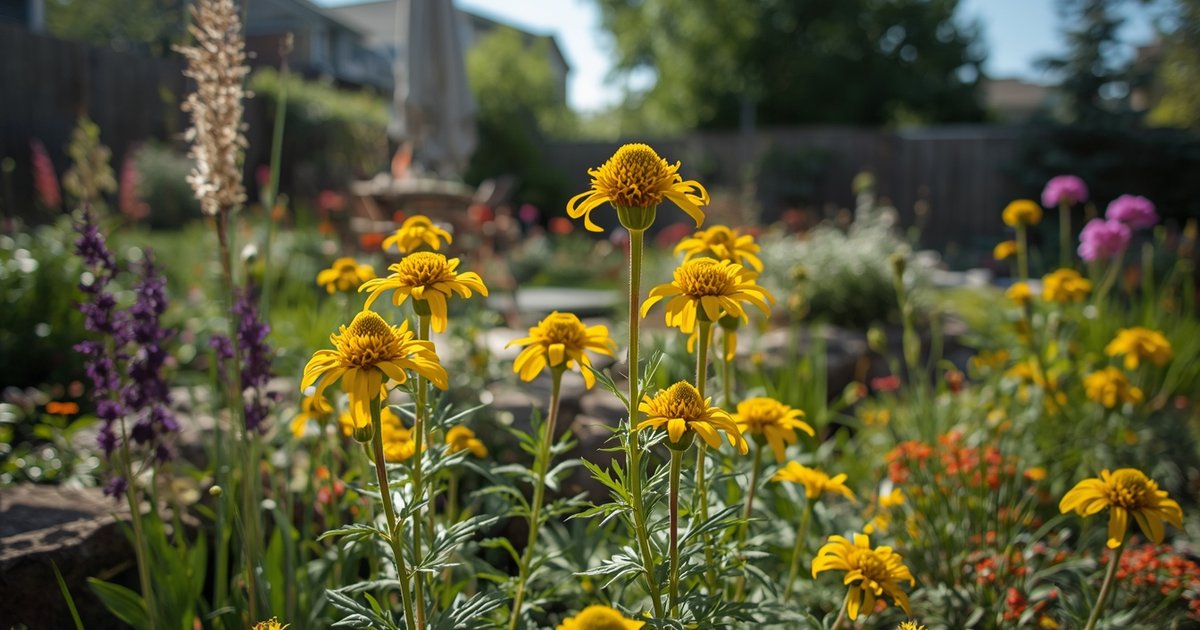
Senecio is one of those quietly sophisticated foliage plants that brings a modern, almost architectural feel to summer containers. Best known for its silvery-gray tones and soft, textured leaves, senecio is less about flowers and more about contrast, structure, and cooling visual balance in the bright, high-contrast light of Colorado’s Front Range.
In Fort Collins and surrounding areas, it has become a staple “design plant” in mixed containers—especially where gardeners want to soften intense floral color palettes or introduce a refined, drought-tolerant texture.
At [Plantorium.com](https://plantorium.com?utm_source=chatgpt.com senecio is commonly used in modern container compositions, where foliage contrast is just as important as bloom performance.
Why Senecio Performs Well in Northern Colorado
Senecio is naturally adapted to dry, sunny environments, which makes it well suited to Colorado’s Front Range climate. Many ornamental senecio varieties originate from Mediterranean or semi-arid regions, where bright sun and low humidity are the norm.
It performs well because:
- It thrives in full sun and high light
- It tolerates heat and dry air
- It provides consistent silver foliage color
- It works well in low-water container designs
The most commonly used ornamental types feature soft, felted, silver-gray leaves that reflect sunlight beautifully and create a cooling visual effect in hot summer plantings.
When to Plant Senecio in Fort Collins
Senecio is sensitive to frost and should be planted after the last frost date, typically mid-May in Fort Collins and nearby communities.
Once temperatures warm, it establishes steadily and begins producing fuller foliage as summer progresses.
Because it is often used in containers, it can be acclimated gradually to outdoor sun and wind conditions.
Sunlight Requirements
Full sun is preferred for the best foliage color and compact growth.
In Northern Colorado:
- Provide at least 6–8 hours of direct sunlight daily
- Ensure good airflow around plants
- Avoid deep shade, which can lead to leggy growth and duller color
In full sun, senecio develops its strongest silver tones and maintains a dense, tidy form throughout the season.
Soil and Growing Conditions
Senecio prefers well-draining, relatively lean soil.
For best results:
- Use high-quality potting mix in containers
- Avoid heavy, water-retentive soils
- Ensure excellent drainage in all planting locations
Overly rich or wet conditions can reduce vigor and may lead to root issues.
This is a plant that performs best when conditions are simple and well-drained.
Watering in a Front Range Climate
One of senecio’s key strengths is its drought tolerance once established.
Recommended watering approach:
- Water deeply but infrequently
- Allow soil to dry between waterings
- Avoid consistently moist conditions
- Reduce watering during cooler periods
In Fort Collins’ dry air, container plants may still need regular monitoring, but senecio generally requires less water than most flowering annuals.
Fertilizing for Best Form
Senecio does not require heavy feeding.
A light application of balanced fertilizer at planting time is usually sufficient. Excess fertilization can lead to overly soft or stretched growth, which reduces its clean, structured appearance.
In many cases, lean conditions help maintain its compact, refined look.
Garden Role and Design Use
Senecio is primarily used as a foliage and texture accent rather than a flowering focal point.
It works especially well in:
- Modern container designs
- Mixed patio planters
- Drought-tolerant arrangements
- Contrasting backdrop for bright flowers
- Architectural garden compositions
In Fort Collins landscapes, it is often paired with bold flowering annuals to create contrast between vibrant color and cool, calming foliage.
Handling Colorado Weather
Senecio is well suited to Front Range conditions when properly placed.
It handles:
- Heat
- Strong sunlight
- Dry air
- Wind exposure
It is sensitive to:
- Frost (not cold hardy)
- Overwatering
- Poor drainage
Once established, it maintains consistent form and color through the summer season with minimal maintenance.
Companion Planting
Senecio is especially effective as a contrast plant in mixed containers.
Excellent companions include:
- Petunias
- Salvia
- Verbena
- Calibrachoa
- Portulaca
- Rudbeckia
- Eucalyptus
Its silvery foliage enhances both warm and cool color palettes, making it highly versatile in design work.
A Modern Foliage Essential for Summer Containers
Senecio brings a calm, refined presence to gardens that might otherwise be dominated by intense floral color. Its silver tones, soft texture, and drought tolerance make it a natural fit for Colorado’s bright, dry, high-elevation climate.
In Fort Collins and across the Front Range, it continues to grow in popularity as gardeners embrace more foliage-driven, design-forward container compositions.
For those building balanced summer plantings, senecio provides the visual rest that allows brighter plants to shine.
Explore seasonal availability and additional annuals at [Plantorium.com’s full plant catalog](https://plantorium.com/all-plants/?utm_source=chatgpt.com
Facts Only
Senecio is a foliage plant known for silvery-gray, textured leaves and drought tolerance.
It is commonly used in summer containers in Fort Collins and Northern Colorado.
The plant thrives in full sun, requiring 6–8 hours of direct sunlight daily.
Senecio prefers well-draining, lean soil and is sensitive to overwatering.
It should be planted after the last frost date, typically mid-May in Fort Collins.
The plant is frost-sensitive and not cold-hardy.
It is often paired with flowering plants like petunias, salvia, and verbena in mixed containers.
Senecio’s silver foliage provides visual contrast and cooling effects in hot climates.
It requires minimal fertilization, with excess feeding leading to weak growth.
The plant handles heat, dry air, and wind but struggles with poor drainage.
It is used in modern, architectural garden designs for texture and structure.
Senecio is available through Plantorium.com’s plant catalog.
Executive Summary
Senecio is a drought-tolerant foliage plant prized for its silvery-gray leaves and architectural form, making it a popular choice for modern container gardens in Northern Colorado, particularly in Fort Collins. Adapted to dry, sunny climates, it thrives in full sun with minimal water, reflecting its Mediterranean origins. Gardeners use it to soften vibrant floral displays and add texture to mixed planters, often pairing it with petunias, salvia, or verbena. Senecio performs best in well-draining soil and requires little fertilization, though it is frost-sensitive and should be planted after mid-May. Its low-maintenance nature and visual contrast make it a staple in drought-tolerant landscapes, where it withstands heat, wind, and dry air while maintaining its cool, refined appearance.
The plant’s versatility extends to design applications, where its silver foliage balances bold colors and adds structure to patio arrangements. While not a flowering focal point, its consistent form and drought resistance align with the Front Range’s climate challenges. Gardeners value its ability to thrive in containers with minimal care, though overwatering or poor drainage can compromise its health. As a design element, senecio bridges the gap between ornamental and functional planting, offering both aesthetic appeal and practical resilience in high-elevation gardens.
Full Take
This article presents senecio as an ideal plant for Northern Colorado’s climate, emphasizing its drought tolerance, low maintenance, and design versatility. The strongest version of this narrative highlights its practical benefits—thriving in full sun, requiring minimal water, and providing year-round visual interest—while acknowledging its limitations (frost sensitivity, need for drainage). The framing aligns with broader trends in xeriscaping and sustainable gardening, where water conservation and climate adaptation drive plant selection.
Pattern scan: The piece employs subtle authority games by referencing Plantorium.com as a credible source without independent verification of its claims. While not overtly manipulative, the lack of alternative perspectives (e.g., potential drawbacks like pest susceptibility or long-term soil impacts) could reflect a mild form of confirmation bias (ARC-0012). The focus on aesthetic and functional benefits without addressing potential challenges (e.g., invasiveness in certain regions) may also hint at a framing effect (ARC-0024).
Root cause: The narrative assumes that drought-tolerant plants like senecio are inherently superior for arid climates, which may overlook ecological trade-offs or regional variations in soil and microclimates. The unstated paradigm is that ornamental gardening should prioritize water efficiency and visual contrast, a perspective that aligns with contemporary sustainability discourse but may not account for biodiversity or native plant advocacy.
Implications: For gardeners, senecio offers a practical solution to water restrictions and heat stress, but its popularity could inadvertently reduce plant diversity if overused. The emphasis on design over ecological function might reinforce a consumerist approach to gardening, where aesthetics trump ecosystem health.
Bridge questions: How does senecio’s water use compare to native Colorado plants in long-term studies? What are the ecological trade-offs of using non-native drought-tolerant species in local landscapes? Would incorporating more native alternatives achieve similar design goals with greater ecological benefits?
Counterstrike scan: A coordinated influence campaign might exaggerate senecio’s benefits while omitting drawbacks, using it as a gateway to promote commercial nurseries or specific gardening trends. However, this article does not exhibit such patterns; it remains a straightforward horticultural guide without overt manipulation.
Sentinel — Likely Human
The text is highly structured, factually consistent, and optimized for readability, exhibiting signs of sophisticated machine generation focused on informational delivery rather than idiosyncratic human voice.