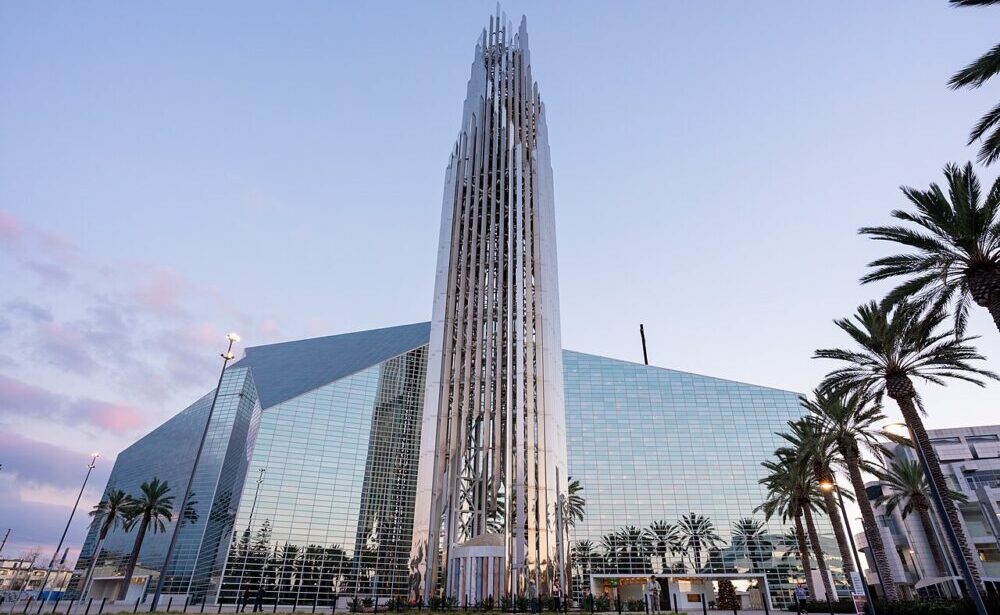
In 1955, a young Dutch Reformed Church minister named Robert H. Schuller climbed onto the roof of a drive-in movie theater concession stand in Southern California to preach to a congregation seated in rows of automobiles. Moving from the Chicago area to Orange County, he did not merely relocate an ancient liturgy. Schuller assembled a hybridized institution by fusing sanctuary and parking lot, lat...
This analysis presents religious innovation as a deliberate, strategic process of recombining traditions to address legitimacy crises—a framing that challenges passive views of religious change. The strongest version of this argument is its emphasis on agency: religious actors actively restructure institutions rather than merely adapting to external pressures. Examples like Schuller’s Crystal Cathedral and the Emerging Church Movement illustrate how innovation can generate short-term growth whil...