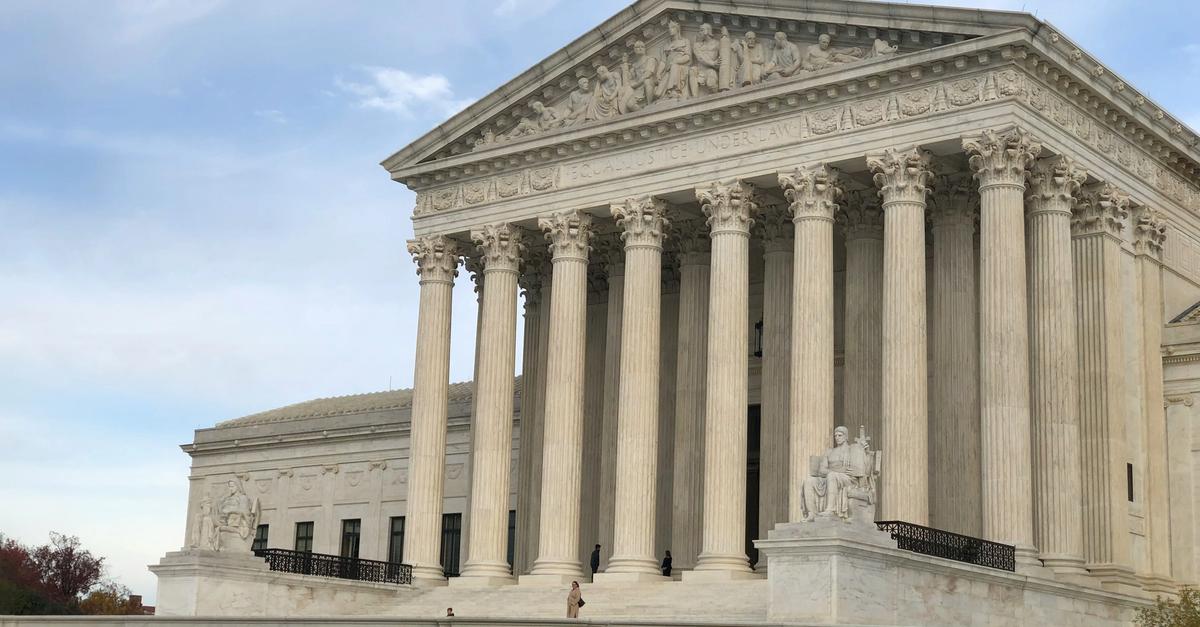
In 2018, Congress passed the First Step Act with rare bipartisan support. Hailed as “the most significant criminal justice reform bill in a generation,” the basic premise of the act was straightforward: Federal sentences had grown too harsh, and, not coincidentally, were imposed in racially disparate ways. Congress therefore concluded that many of the people serving these draconian sentences deser...
The Supreme Court's narrowing of the First Step Act reveals a tension between judicial restraint and congressional intent, raising questions about the balance of power in criminal justice reform. The Court's textualist approach, as applied in these cases, appears to prioritize policy concerns—such as preventing "loopholes" for prisoner release—over the act's explicit goals of reducing harsh sentences and addressing racial disparities. This pattern suggests a deeper skepticism toward judicial dis...