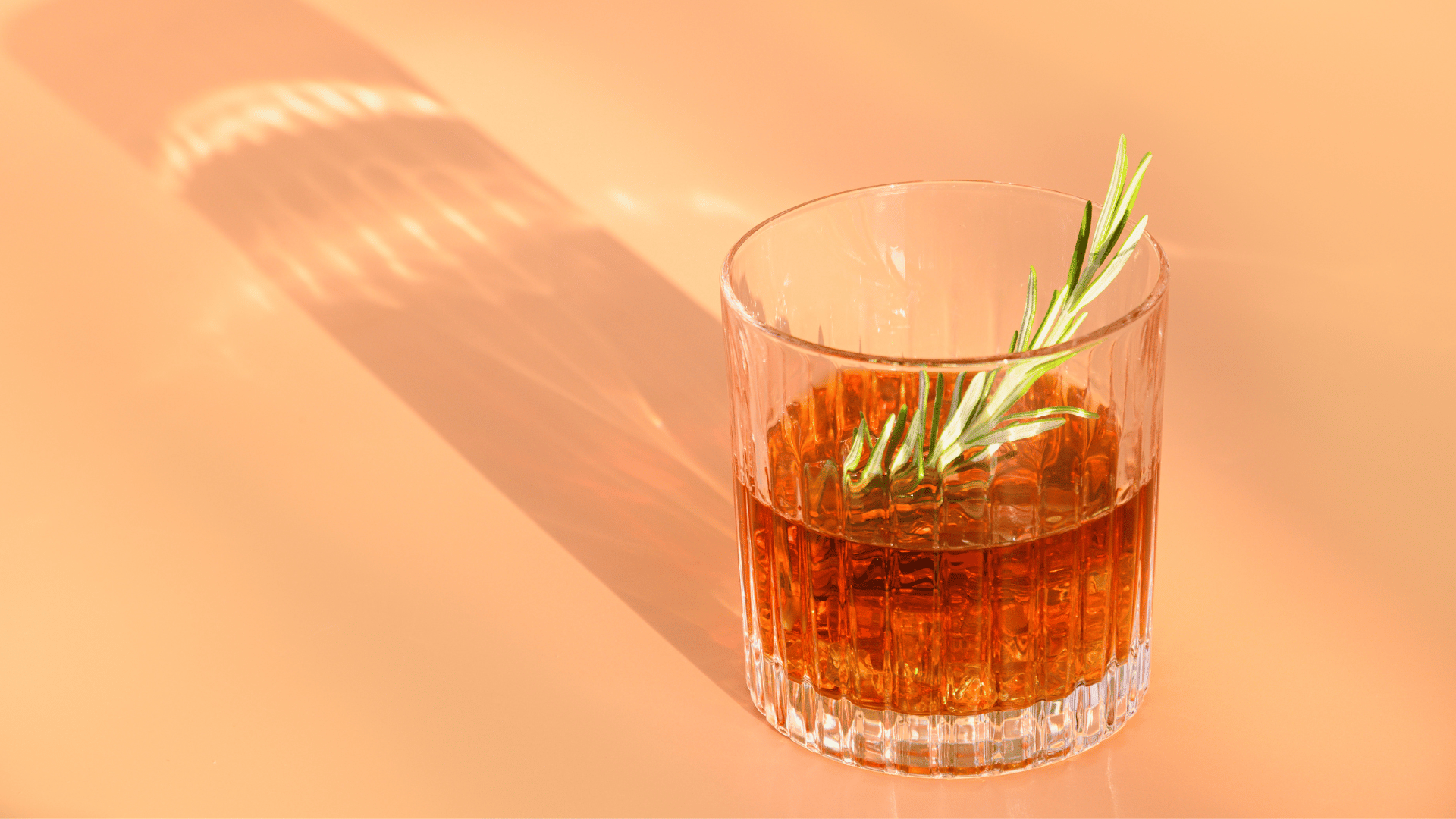
Who runs the still? Girls.
In an industry that’s mostly male-dominated, let’s raise one to the female-owned distilleries worldwide. From the UK to the States, these powerhouses are changing the industry with innovative ideas and forward-thinking leadership.
Nc’nean Distillery
After leaving her job in London in 2013 with a dream to change the way the world thinks about Scottish whisky, Annabel Thomas began raising funds to build a distillery from the ground up. Located on the west coast of Scotland, Nc’nean Distillery is now the UK’s first net-zero distillery, using 100% renewable energy and organic barley to pioneer eco-friendly production while producing acclaimed spirits.
Macklowe Distillery
Former hedge-fund manager turned entrepreneur, Julie Macklowe founded Macklowe Whiskey in New York with a mission to craft the finest American single malt. Using the highest quality ingredients, the brand now offers whiskey, rye, and bourbon that’s 100% malted barley, non-chill filtered, and aged in new American oak.
Shine Girl Distillery
A mix of Dolly Parton + Maverick, with an Appalachian grit you only get when you’re descended from moonshiners… Danielle Parton’s Shine Girl Distillery is a unique destination for spirits that rise above the typical Smoky Mountain distillery lineup (think Apple Pie and Moonshine Cherries) to elevated flavors like Lavender, Rosé, and Red Velvet. She’s also a master distiller, retired Air National Guard Veteran with combat flight experience, and is currently a commercial pilot for a major carrier. If the delicious moonshine wasn’t enough.
Jeptha Creed Distillery
A farm-to-glass operation focused on heirloom ingredients and family heritage, Jeptha Creed Distillery is located on 64-acres in Shelbyville, Kentucky. Founded by mother-daughter duo Joyce and Autumn Nethery, the distillery produces bourbon, vodka, and moonshine, using “Bloody Butcher” red corn grown on their own farm.
Boston Harbor Distillery
Located in a historic 1859 building along the Dorchester waterfront, Boston Harbor Distillery was founded in 2012 by Rhonda Kallman. With a background in the beer industry, she uses her knowledge to create high-quality whiskey, rum, and liqueurs, often distilling beer into spirits to honor local history. The distillery often has live music, cocktail classes, and tours depending on the time of year.
Miliam & Greene Whiskey
What happens when a Texas entrepreneur and acclaimed whiskey expert join together? They build a female-led distillery in the Texas Hill Country. Crafted by some of the world’s most experienced whiskey professionals (Heather Greene and 30-year veteran master distiller Marlene Holmes), the brand emphasizes the use of American grains sourced from Texas, Wyoming, Oregon, and Washington.
Killara Distillery
A testament to the Lark family’s legacy in Tasmania’s whisky industry, Killara Distillery was founded by Kristy Lark-Booth to honor her parents, who helped establish Australia’s whisky industry in 1992. Kristy’s own distilling journey began at her parents’ distillery, eventually leading her to open Killara in 2016. The distillery’s dedication to using locally sourced ingredients and collaborating with small businesses underscores its commitment to community and sustainability.
Chemist Spirits
When Debbie Word, a historic preservationist and craft enthusiast, and her daughter Danielle, a chemist, joined forces, they created a brand inspired by the spirit’s traditional use in folk medicine in the region. Born from a series of experiments with moonshining, the distillery products are designed to downplay juniper and accentuate notes of citrus, rose, and spice.
SIA Scotch Whisky
A unique take on traditional Scotch whisky, SIA is a blend of Speyside, Highland, and Islay malt and grain whiskies, bottled at 86 proof with a high malt-to-grain ratio. Founder Carin Luna-Ostraseski was introduced to Scotch by her grandfather and quickly developed a passion for it, later becoming one of the few Hispanic women to establish a Scotch brand.
Bothy Distillery
In a region where whisky smuggling was the norm. Bothy Distillery was founded with the goal of bringing legal distilling back to Glen Prosen. Founded by Kim Cameron, the distillery uses hydroelectricity and sustainable waste removal processes, with a commitment to preserving the history and natural beauty of the area while creating a unique distilling experience for all to enjoy.
Freeland Spirits
Created through a shared passion of whiskey and women within the industry, Freeland Spirits began as a conversation in 2016 between friends Jill Kuehler and Cory Carman during an evening of drinks. With Kuehler’s dream to open a distillery and Carman’s desire to produce grain on her Oregon-based ranch, the duo was onto something special.
Facts Only
Annabel Thomas founded Nc’nean Distillery in Scotland in 2013, creating the UK’s first net-zero distillery using renewable energy and organic barley.
Julie Macklowe, a former hedge-fund manager, established Macklowe Whiskey in New York, producing non-chill filtered American single malt whiskey.
Danielle Parton, a master distiller and Air National Guard veteran, owns Shine Girl Distillery, offering flavors like lavender and rosé moonshine.
Jeptha Creed Distillery in Kentucky is a farm-to-glass operation founded by mother-daughter duo Joyce and Autumn Nethery, using heirloom "Bloody Butcher" red corn.
Rhonda Kallman founded Boston Harbor Distillery in 2012, located in a historic 1859 building, producing whiskey, rum, and liqueurs.
Miliam & Greene Whiskey in Texas is led by Heather Greene and Marlene Holmes, emphasizing American grains from multiple states.
Kristy Lark-Booth founded Killara Distillery in Tasmania in 2016, continuing her family’s whisky legacy with locally sourced ingredients.
Debbie Word and her daughter Danielle created Chemist Spirits, focusing on citrus and spice notes in their products.
Carin Luna-Ostraseski founded SIA Scotch Whisky, blending Speyside, Highland, and Islay whiskies.
Kim Cameron founded Bothy Distillery in Glen Prosen, using hydroelectricity and sustainable waste processes.
Freeland Spirits was co-founded by Jill Kuehler and Cory Carman in 2016, combining whiskey production with Oregon-based grain farming.
Executive Summary
Full Take
The narrative of female-owned distilleries challenging industry norms is compelling, highlighting innovation, sustainability, and diverse leadership. The strongest version of this story celebrates tangible achievements—net-zero production, heirloom ingredients, and unique flavor profiles—while underscoring the broader shift toward inclusivity in traditionally male-dominated fields. However, the framing risks subtle emotional exploitation (ARC-0043 Motte-and-Bailey) by implying that gender alone drives quality, when the real differentiators are specific practices like organic farming or renewable energy. The pattern of "women breaking barriers" can sometimes obscure the actual mechanisms of success, reducing complex business strategies to identity politics.
Root causes include historical gender disparities in STEM and trade industries, where women’s contributions were often marginalized. The rise of these distilleries reflects broader societal shifts toward equity, but it also raises questions about whether the focus on gender overshadows other critical factors like access to capital, mentorship, or market demand. Who benefits? Consumers gain diverse products, and founders achieve recognition, but systemic barriers may still limit scalability for underrepresented groups.
Bridge questions: How do these distilleries’ business models compare to male-led counterparts in terms of profitability and longevity? What role does media coverage play in amplifying or distorting their impact? Would the same innovations be as celebrated if led by men?
Counterstrike scan: A coordinated influence campaign might weaponize this narrative to pit genders against each other or frame female leadership as inherently superior, but the actual content avoids this trap. It focuses on verifiable achievements without demonizing male-led distilleries, aligning with constructive storytelling rather than divisive rhetoric.
Patterns detected: ARC-0043 Motte-and-Bailey (subtle shift from "innovative practices" to "female-led" as the primary virtue).
Sentinel — Human
The article shows signs of human authorship, characterized by erratic sentence length variance, absence of perfect paragraph structure, and lack of argumentative skeleton matching known template patterns. However, these indicators are weak, suggesting that the text is likely human-written.