Ever wanted to role play a claims adjustor in Southern California? Now you can — with Wyldfyre, the world’s first standalone prediction market dedicated to wildfire risk.
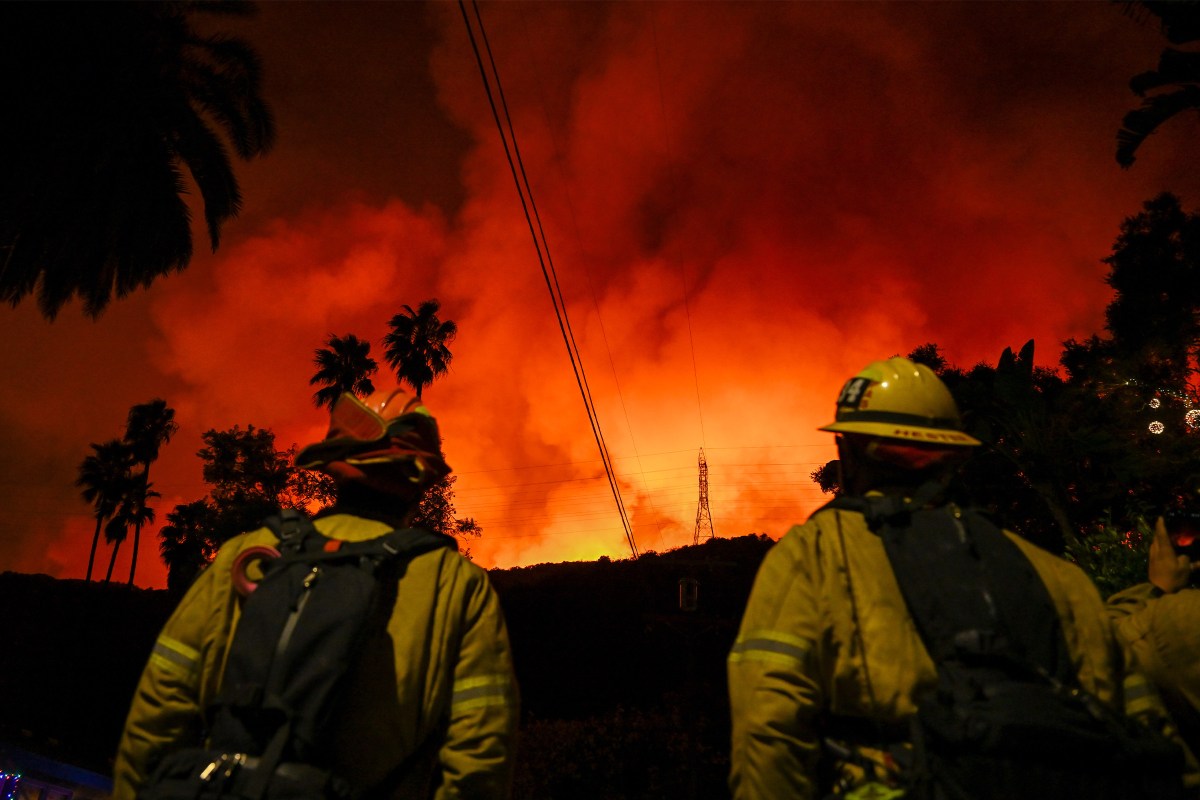
Even more than usual, this summer promises to be hot, dry, and primed for horrifying wildfires throughout North America and beyond; families are already fleeing deadly blazes in California. With mainstream prediction markets like Kalshi shying away from wildfire bets amidst growing scrutiny, it stands to reason that there’s money to be made for anyone willing to lower their scruples even further — every crisis is an opportunity, after all.
Unlike more general-purpose prediction market services like Polymarket, Wyldfyre is built entirely around forest fires, per High County News, which first spotted the gambling site. “You can’t predict fire,” the site’s vibe-coded splash page announces, “but you can trade on it.”
Essentially, Wyldfyre promises to be the “first prediction market for California wildifre.” Every county, city, and region is “priced in real time” through a combination of satellite data, live data from first-responders — and, of course, the wisdom of the crowd, the site explains.
Acknowledging that there are 7,000+ fires each year in California alone, Wyldfyre promises to turn “collective intelligence into better wildfire forecasting — one trade at a time.”
Though Wyldfyre only offers simulated bets at the moment — “paper trading now, real money coming soon,” the website currently declares — the shell site is a potent microdose of the growing prediction market industry.
At face value, the site’s creator would have you believe Wyldfyre is some sort of public service, allowing unparalleled access to Johny Public’s collective wisdom on wildfires, as if that were somehow a useful metric for forecasting wildfire activity. The reality is that gambling on the outcome of such a specific event introduces a perverse incentive to create the conditions that fulfill a person’s bets. In other words, allowing somebody to wager on whether a major fire will break out in their neighbor’s yard gives them a strong financial reason to go set their neighbor’s yard on fire (and really, in a dog-eat-dog economy like ours, it’d be irrational not to.)
Outside the gambling world, nobody seems very keen on the idea. “Systems that tie financial gain to wildfire outcomes risk encouraging misuse, including arson, and are not compatible with our mission,” a US Forest Service spokesperson told High County.
With swelling inflation, a major housing crisis, and rising layoffs, it’s no secret that the economy is coming apart at the seams. If prediction markets like Wyldfyre have their way, struggling workers might soon find that striking a match is all it takes to get into the green — an indictment on both an economic system that’s driven millions to the breaking point, and on the bottom feeders who’ve decided that climate catastrophe is nothing but a yet another financial opportunity to be tapped.
More on gambling: Mark Zuckerberg Is Selflessly Building Yet Another Horrible Product Nobody Asked For
Sentinel — Human
The text exhibits a strong human editorial voice that blends factual reporting about a prediction market with a passionate, opinionated critique regarding economic and ethical implications.