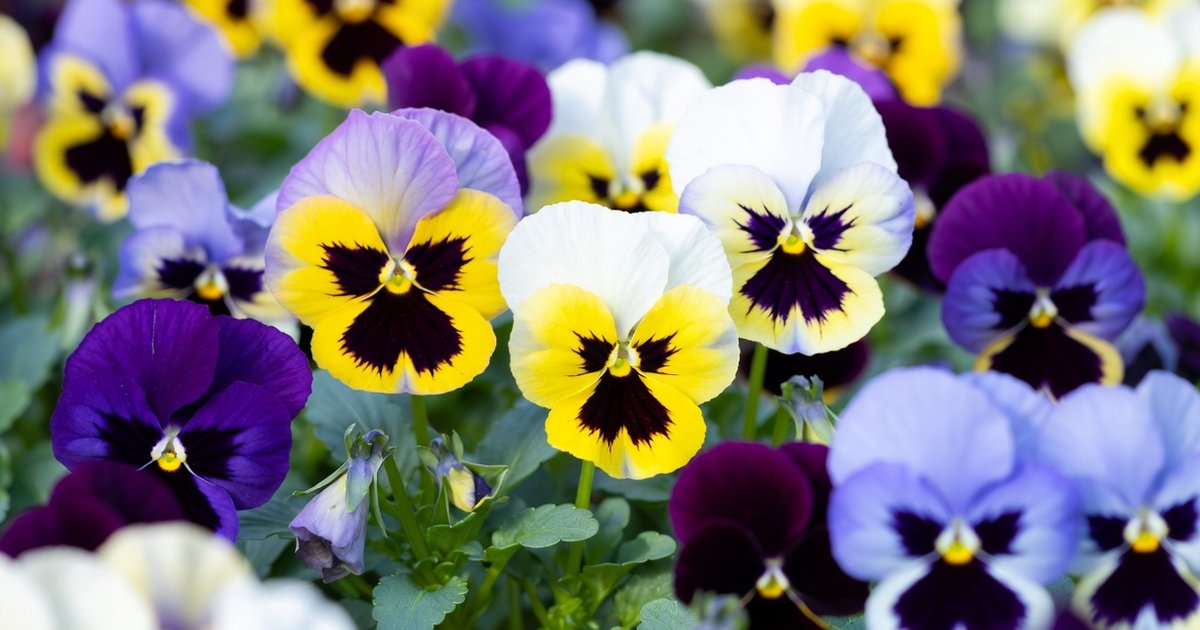
Few flowers capture the spirit of early spring quite like pansies. Their cheerful faces, velvet-textured petals, and remarkable cold tolerance make them one of the most beloved seasonal flowers for gardeners across Northern Colorado. While many annuals wait for summer warmth, pansies thrive during the cool, unpredictable weather that defines spring along the Front Range.
For gardeners in Fort Collins, Loveland, Windsor, Greeley, and surrounding communities, pansies offer something especially valuable: reliable color when much of the landscape is still waking up from winter.
At [Plantorium.com](https://plantorium.com?utm_source=chatgpt.com pansies remain one of the most popular cool-season annuals for porch planters, flower beds, and container gardens throughout the spring and fall growing seasons.
Why Pansies Thrive in Northern Colorado
Pansies are perfectly suited to Colorado’s cooler shoulder seasons. Unlike heat-loving annuals that struggle in chilly nights, pansies actually perform best when temperatures remain mild.
Their ability to tolerate frost makes them ideal for Front Range gardeners eager to begin planting before summer arrives in full force.
Modern pansy varieties come in an extraordinary range of colors:
- Deep purple
- Soft lavender
- Bright yellow
- Burgundy
- White
- Orange
- Nearly black velvet tones
- Bicolors and “face” patterns
In containers and landscape beds, they provide instant color long before many summer flowers are ready to perform.
When to Plant Pansies in Fort Collins
Timing is one of the great advantages of pansies.
In Fort Collins and surrounding areas, pansies can often be planted weeks before more tender annuals. They tolerate light frosts and cool nighttime temperatures that would damage tropical bedding plants.
Many Front Range gardeners plant pansies:
- In early spring as soon as garden centers open
- Again in autumn for cool-weather color
- In containers near entrances and patios
- Along walkways and raised beds
Because Northern Colorado weather can shift rapidly, pansies often become the first major burst of color after winter’s muted landscape.
Sunlight Requirements
Pansies prefer full sun to partial shade in Colorado gardens.
During spring and fall, full sun encourages compact growth and heavy blooming. However, once summer heat intensifies, a little afternoon shade can help extend flowering.
In Fort Collins’ high-elevation sunlight, morning sun with some protection during the hottest part of the day often produces the longest-lasting displays.
Too much heat is usually more problematic than cold.
Soil and Water Needs
Like most cool-season flowers, pansies prefer evenly moist but well-draining soil.
Heavy clay soils common along the Front Range benefit from compost amendments that improve drainage and root development.
For containers:
- Use high-quality potting mix
- Ensure good drainage holes
- Avoid allowing containers to dry completely
Although pansies enjoy consistent moisture, soggy conditions can lead to root problems.
Colorado’s dry air and spring winds may require more frequent watering than gardeners expect, especially for patio containers exposed to sun and wind.
Fertilizing for Continuous Blooms
Pansies are surprisingly heavy bloomers for such compact plants.
A balanced fertilizer every few weeks helps maintain flowering throughout the cool season. Regular deadheading also encourages fresh blooms and keeps plants looking tidy.
As temperatures warm into summer, flowering naturally slows. Some gardeners replace pansies with heat-loving annuals in late spring, while others move containers into shadier locations to prolong blooming.
Why Colorado Gardeners Love Pansies
Part of the enduring popularity of pansies comes from their emotional appeal as much as their practical value.
After a long Front Range winter, few things feel more hopeful than seeing bright pansy blooms beside a front porch or lining a garden path.
They are especially popular for:
- Spring containers
- Window boxes
- Porch planters
- Memorial gardens
- Cottage-style landscapes
- Early pollinator gardens
Their compact size also makes them ideal for layering with bulbs such as tulips and daffodils.
Pollinator-Friendly Early Flowers
Because pansies bloom so early, they provide an important nectar source for emerging pollinators during cool spring weather.
Bees are frequently drawn to the flowers on sunny afternoons, particularly when few other blooms are available.
For gardeners trying to support pollinators across the Front Range, pansies help bridge the gap between winter dormancy and summer abundance.
Handling Front Range Weather Swings
One of the reasons pansies are so dependable in Northern Colorado is their resilience.
They can often tolerate:
- Light snowfalls
- Overnight frosts
- Sudden spring cold fronts
- Windy conditions
- Dramatic temperature swings
In fact, cool weather often intensifies their flower color and improves bloom longevity.
However, prolonged summer heat eventually causes most pansies to decline, especially during stretches of ninety-degree temperatures common along the Front Range in July.
Perfect Companion Plants
Pansies pair beautifully with many other cool-season favorites.
Excellent companions include:
- Violas
- Snapdragons
- Dusty Miller
- Alyssum
- Ornamental Kale
- Tulips and spring bulbs
In containers, they are frequently used as colorful edging plants around taller focal flowers or ornamental grasses.
A Classic Flower That Never Goes Out of Style
Trends in gardening come and go, but pansies remain timeless.
Their ability to thrive during Colorado’s cooler seasons, combined with their extraordinary range of colors and patterns, ensures they remain a staple of Front Range landscapes year after year.
For Fort Collins gardeners eager to welcome spring—or extend color into autumn—few flowers offer as much charm and reliability as pansies.
Explore seasonal availability and additional cool-season annuals at [Plantorium.com’s full plant catalog](https://plantorium.com/all-plants/?utm_source=chatgpt.com
Facts Only
Pansies are a popular cool-season annual in Northern Colorado, including Fort Collins, Loveland, Windsor, and Greeley.
They thrive in cool, unpredictable spring weather and tolerate light frosts.
Modern pansy varieties come in colors such as deep purple, soft lavender, bright yellow, burgundy, white, orange, and nearly black velvet tones.
In Fort Collins and surrounding areas, pansies can be planted weeks before more tender annuals.
They prefer full sun to partial shade, with afternoon shade recommended during intense summer heat.
Pansies require evenly moist, well-draining soil, often needing compost amendments in heavy clay soils common along the Front Range.
A balanced fertilizer every few weeks supports continuous blooming.
They are frequently used in spring containers, window boxes, porch planters, and memorial gardens.
Pansies provide early nectar for pollinators like bees during cool spring weather.
They can tolerate light snowfalls, overnight frosts, and dramatic temperature swings.
Common companion plants include violas, snapdragons, dusty miller, alyssum, and ornamental kale.
Pansies typically decline in prolonged summer heat, especially above 90°F.
Executive Summary
Full Take
This article presents pansies as an ideal cool-season flower for Northern Colorado gardeners, emphasizing their practical benefits and emotional appeal. The narrative is straightforward and informative, focusing on the flower's adaptability to the region's climate and its role in early-season gardening. However, it’s worth noting the subtle framing of pansies as a near-perfect solution, which could overlook potential challenges such as their limited heat tolerance or the need for frequent watering in Colorado’s dry, windy conditions. The piece also leans into the emotional resonance of pansies as a symbol of spring’s arrival, which, while relatable, could be seen as a mild appeal to sentimentality rather than purely practical advice.
The broader pattern here is the promotion of a specific plant as a solution to seasonal gardening challenges, which aligns with the interests of nurseries and gardening retailers. While the advice is sound, readers might consider whether other cool-season plants could offer similar benefits with different trade-offs. The article doesn’t explore alternatives in depth, which could limit gardeners’ options. Additionally, the focus on pansies’ pollinator benefits is commendable but could be expanded to discuss their role in broader ecosystem health.
For those seeking to cultivate cognitive sovereignty, it’s useful to ask: What other cool-season flowers might suit Northern Colorado’s climate equally well? How do pansies compare in terms of water usage or long-term sustainability? And what might be the environmental impact of relying heavily on a single type of annual flower?
Patterns detected: none
Sentinel — Uncertain
The content is highly coherent and factually sound, but its flawless, predictable structure and optimized flow suggest generation by an advanced language model, likely used for informational content optimization.