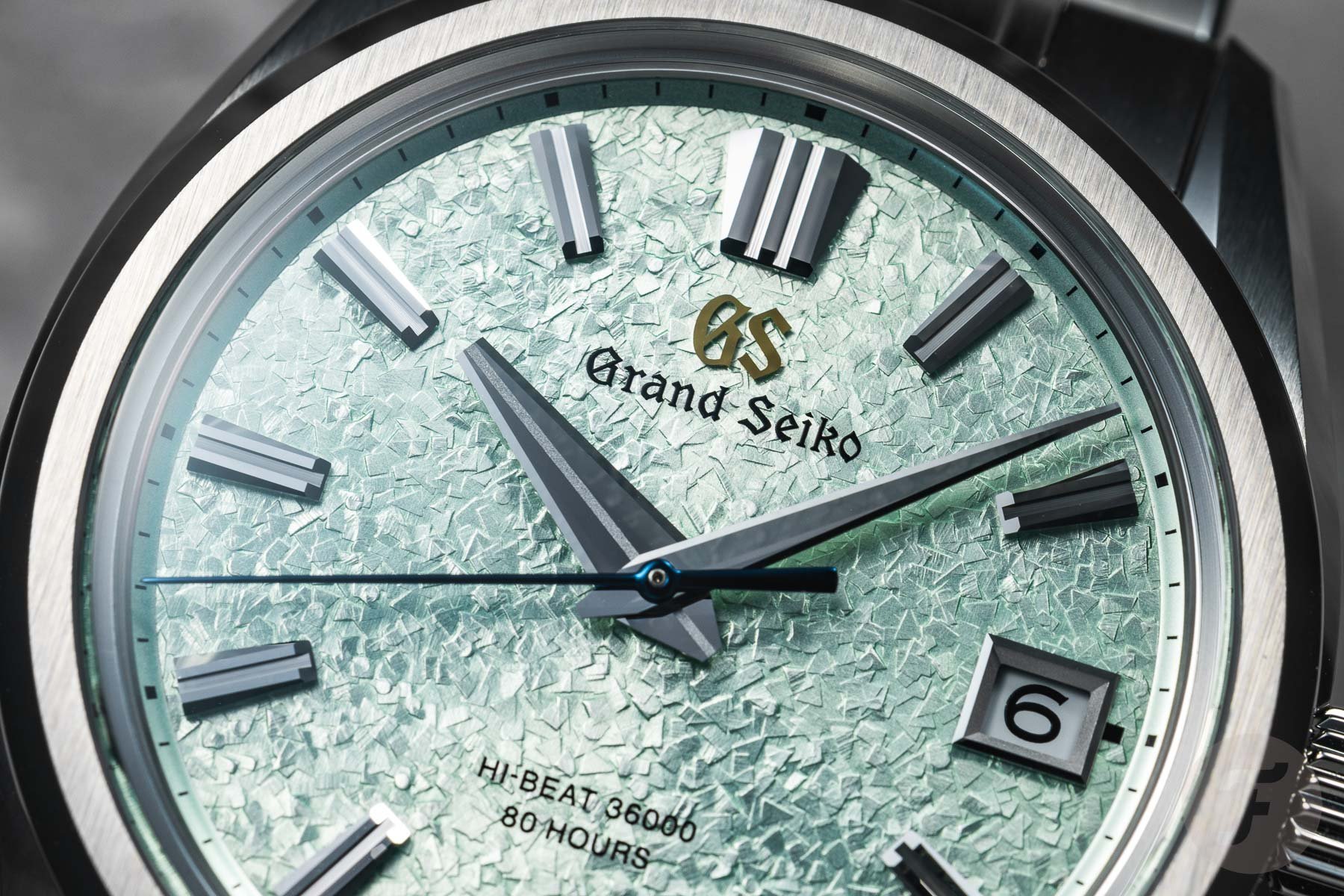
Fratello Talks: Texture, Color, Stone — Let’s Talk Dials
In all four seasons of the Fratello Talks podcast, we’ve never dedicated an episode to watch dials. We thought it was about time to change that. The dial is one of the most important parts of a watch, as it’s the “face” that gets the most attention when checking the time. It often draws the most attention and can be the reason for you to fall in love with a specific watch.
Watch dials have never been more interesting. Whether you prefer classic enamel, traditional guilloché, intricate textures, eye-catching motifs, or even stone dials, today’s market offers something for just about every taste and budget. Of course, true artisanal crafts, such as hand-turned guilloché or marquetry, still command a premium, but that’s part of their appeal. In this episode, Daan, Lex, and Nacho dive into what many consider the defining feature of any watch — the dial. They discuss the materials, techniques, and designs that catch their eye and explore what makes a great watch face stand out.
Wrist check
Lex is wearing the new Peacock Haiyi Tourbillon Yu Limited Edition that he reviewed here. This $3,500 tourbillon from China, limited to 200 pieces, has a Lindsay-engraved enameled dial. It’s the perfect pick for this podcast episode.
Daan is wearing his 35mm Nomos Glashütte Tangente Neomatik, which has just come back from a service. It has a platinum-gray dial, as you can see, and is powered by Nomos’s super-thin DUW 3001 self-winding movement. A few years ago, we covered Daan’s watch here.
Nacho is wearing his trusty Omega Seamaster Professional 300M 2254.50 on a mesh bracelet from Arroway. This Seamaster features a wave-motif dial, introduced with the 300M series in 1993. Even today, we find this dial, but now in ceramic, in the current collection of Seamaster Diver 300M watches.
Fratello Talks: Texture, Color, Stone — Let’s Talk Dials
In this podcast, Daan, Lex, and Nacho discuss a variety of dials from different brands, including the latest from Tudor and Rolex. But a discussion about watch dials also needs to include stone, guilloché, and enamel dials, of course.
Stone dials have enjoyed a remarkable revival in recent years, but they’re far from new. Brands experimented with materials like lapis lazuli, malachite, tiger’s eye, and onyx in the 1970s, and today’s collectors appreciate them for the same reason: no two are alike. Every slice of stone has a distinct pattern, making each watch subtly unique.
Guilloché is one of traditional watchmaking’s most celebrated decorative techniques. Whether cut by hand on a centuries-old rose engine or produced with modern machinery, the intricate geometric patterns create depth and movement as light plays across the surface.
Enamel dials are admired for their almost timeless appearance. Unlike painted or lacquered surfaces, enamel retains its color for decades without fading, giving vintage examples an astonishingly fresh look. Techniques like grand feu, cloisonné, and flinqué require exceptional skill and carry a high risk of failure during production, which helps explain their rarity and value. The guys discuss these and more in this week’s Fratello Talks episode.
What kind of dials do you love best? Leave your thoughts in the comments below.
Sentinel — Human
The content displays strong human characteristics, blending philosophical discussions about design with specific, personal anecdotes and product details typical of expert commentary.