The Race to Autonomous Driving is Heating Up🔥 A deepdive into Waymo. 🗺️🚘🛣️
June 25, 2026.
Good Morning from typhoon drenched Taichung, Taiwan. I try to give my readers broad exposure to AI’s evolution from multiple angles. There’s a surprising number of aspects to this.
AI definitely doesn’t move as fast as you think, just take smart cars and autonomous vehicles. Even the best companies doing this in the world are taking decades to scale.
On the topic of Physical AI there are the frontiers and then there’s the reality. An important part of how we as consumers experience AI in the physical reality is going to be autonomous vehicles (AVs).
Let’s be real, difficult more physical manifestations of AI and emerging tech like AVs, robotics, humanoids, Quantum computers with millions of qubits and even more speculative ideas like datacenters in space are going to be exceedingly difficult to turn into reality. They will on the whole take more time, be slower to arrive and be less capable than you think. Innovation is hard, and God knows we’ve been patient. [The idea that AI is moving so fast isn’t empirically correct]. I’d like to see us cover AI with more realism.
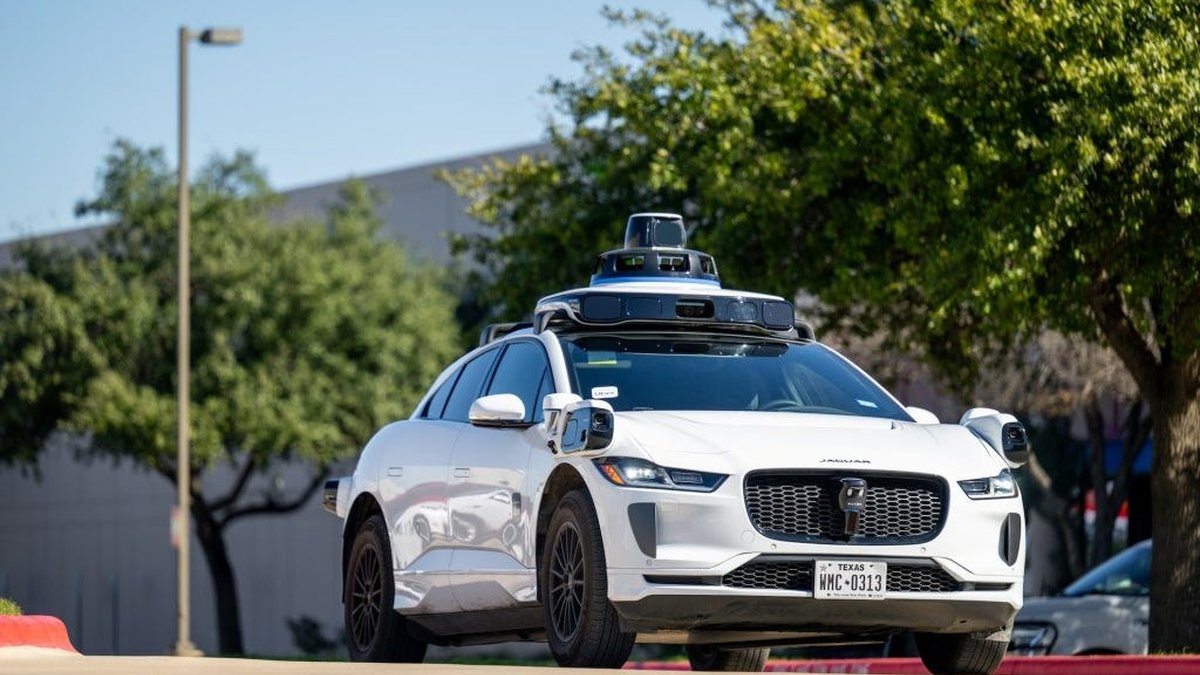
Think about how long it’s taken even Waymo to arrive at this point. Waymo was originally founded in January, 2009. On June 11th, 2026 Waymo finally launched a premier subscription tier for $29.99 a month in select cities (called Premier). It’s starting this year in select cities such as San Francisco, Los Angeles and Phoenix. In terms of AV startups, I’m also really bullish on Wayve, an Nvidia backed UK based startup who are building AV based software and AI models for autonomy.
What’s your taxi ride preference? 🗺️
Driver or no-driver, consumer preferences might shift radically in the years ahead. If price wasn’t a factor what would you use?
Physical AI is Hard, Autonomy is Tricky
AVs and robotaxis are still years away from scale and while some of us have experienced them, most of us still have not. The build out of physical datacenters and AI Infrastructure at scale is hitting a crazy number of bottlenecks. Manifesting AI in the real world is just incredibly challenging. By the time we arrive in the 2030s however it’s going to be pretty exciting. Autonomous vehicles (AVs) and Robotaxis have to be one of the most fascinating case studies of this. As will another industry I’m also becoming pretty obsessed with, space-technologies.
Today’s article is going to be primarily about Waymo. I also want to introduce you to some of the AV and mobility related Newsletters I follow.
Harry Campbell of the Driverless Digest Newsletter shared this image recently:
Besides Waymo, there are many other interesting names. There’s the likes of (Amazon’s) Zoox and Mobileye who are also making headway and bigger plans in the Robotaxi direction. Intel majority owned Mobileye is aiming for and initial 100-vehicle fleet into a major U.S. city in 2027 and hoping to scale the fleet to roughly 17,000 vehicles over the next five years.
Google spin-off Waymo is however the outright leader, with a $16 Billion funding round earlier this year and a valuation of over $126 Billion. Alphabet’s stake in Waymo is estimated to be likely well over 70%. So when we say Google is a full-stack AI company - we aren’t just talking vertical integration and the application layer but the most tangible things like transportation and TPUs, the nuts and bolts. All of this is compounded by how well Google has raised capital in 2026. Autonomy and AI infrastructure are just two areas where Alphabet’s future is exceedingly bright.
Waymo will be taking on Uber in its own way but have several global rivals such as Baidu Apollo (Apollo Go), Pony.AI, WeRide, Tesla and a host of others. In March, Uber announced a massive partnership to invest up to $1.25 billion through 2031 to deploy up to 50,000 fully autonomous Rivian R2 robotaxis exclusively on the Uber platform. There are so many players and so many partnerships, it’s a bit confusing even for us who watch the space. How will Waymo challenge Uber and how will all of these partnerships pan out in different regions of the world?
Waymo’s track record is also fairly stunning when it comes to the driver and passenger saftey aspect: Even as Waymo has scaled into increasingly complex environments like airports and new cities, the safety benefits kept compounding. It’s a good sign for the AV industry. While there’s always the funny or scary story of some headline mishap, for the most part the tech is improving.
Waymo is marketing itself a bit like the Anthropic of the road, and as being 10x safer than an average human driver. It certainly makes you pause and wonder.
In case you are interested in following autonomous vehicle news one of my favorites is Daniel Abreu Marques. I asked him to do a deep dive for us on Waymo, todays’ piece.
The AV Market Strategist
Deep Dive Pony.ai: Business Model, Unit Economics, Fleet Data, Financials and More
WeRide Hits Madrid, Tesla’s Map Grows but Its Fleet Doesn’t, NVIDIA Wants to Be the Robotaxi Standard
Waymo’s Shocking Data Release, Uber Invest $100M in Robotaxi Infrastructure
Mobileye Joins the Robotaxi Race
Waymo’s Master Plan
So what does a Waymo look like from the inside?
Autonomous AV and Neo Mobility Newsletters of Note ✇
Check out some of the community Newsletters for this topic:
I don’t know what the future holds but there’s probably going to be a Waymo in it.
Let’s get on to our deep dive now by Daniel.
Sentinel — Human
The text reads like an opinionated analysis or commentary from an established voice, blending speculative thoughts about AI timelines with concrete details about the autonomous vehicle industry.