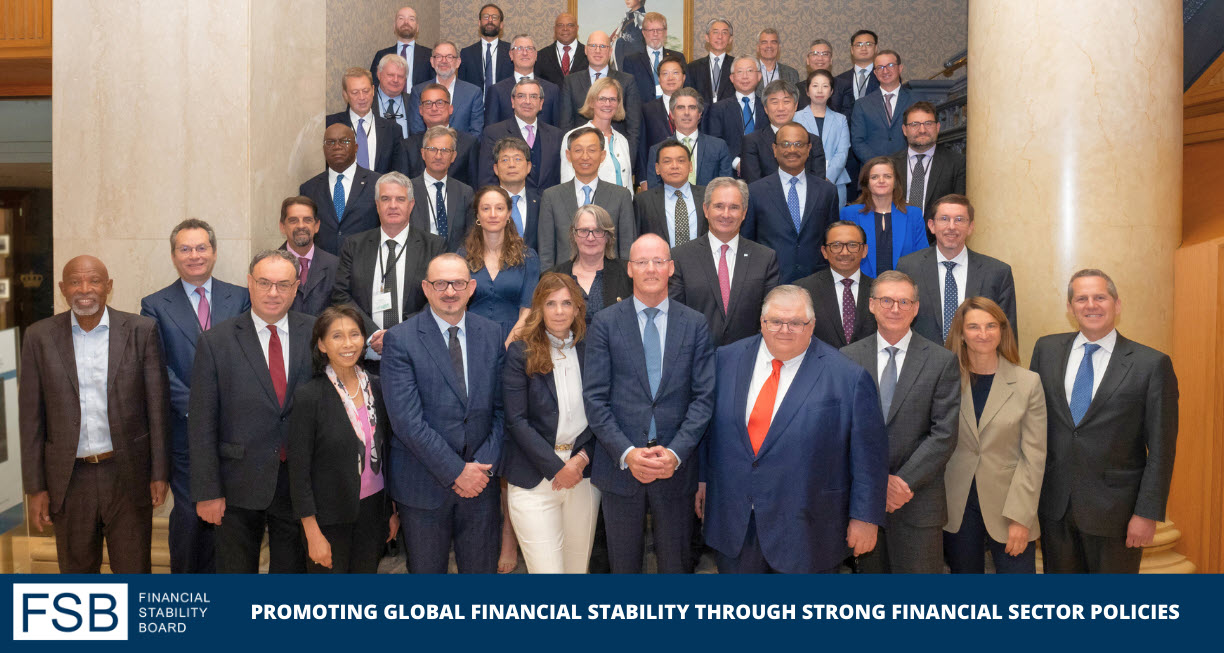
In 2025, the FSB continued its efforts to strengthen financial systems, enhance the stability of international financial markets and promote consistent and coherent implementation of policy recommendations across sectors and jurisdictions.
Key areas of focus for the year under review included addressing financial stability risks from leverage in NBFI and related data challenges; ensuring full and consistent implementation of the FSB regulatory framework for crypto-asset activities and global stablecoin arrangements; initiatives to enhance the resolution and operational resilience of financial firms; and improving cross-border payments.
Against a backdrop of rising vulnerabilities, the next phase of the FSB strategic review of implementation launched in 2025 will focus on identifying the root causes of a slowdown in G20 reform implementation and on finding ways to promote implementation more effectively.
Facts Only
Actor: Financial Stability Board (FSB)
Event: Continued efforts to strengthen financial systems and enhance global market stability in 2025
Key Focus Areas: Addressing risks from leverage in Non-Bank Financial Institutions (NBFIs); full implementation of the FSB regulatory framework for crypto-asset activities and stablecoin arrangements; initiatives to enhance resolution and operational resilience of financial firms; improving cross-border payments
Timeline: 2025
Executive Summary
Full Take
As the Financial Stability Board (FSB) moves forward in 2025, their focus on key areas such as financial stability risks from leverage in Non-Bank Financial Institutions and related data challenges, full implementation of crypto-asset regulatory frameworks, improving operational resilience and cross-border payments, and addressing slowdowns in G20 reform implementation raises several questions:
What measures will the FSB implement to address these issues effectively?
How will the FSB ensure consistent implementation of their framework across various sectors and jurisdictions?
Will the FSB's initiatives result in increased financial stability and market confidence, or are there potential unintended consequences to consider?
What factors contribute to slowdowns in G20 reform implementation, and how can they be effectively addressed?