27.03.2026 - 20:37
|
Actualització: 27.03.2026 - 21:27
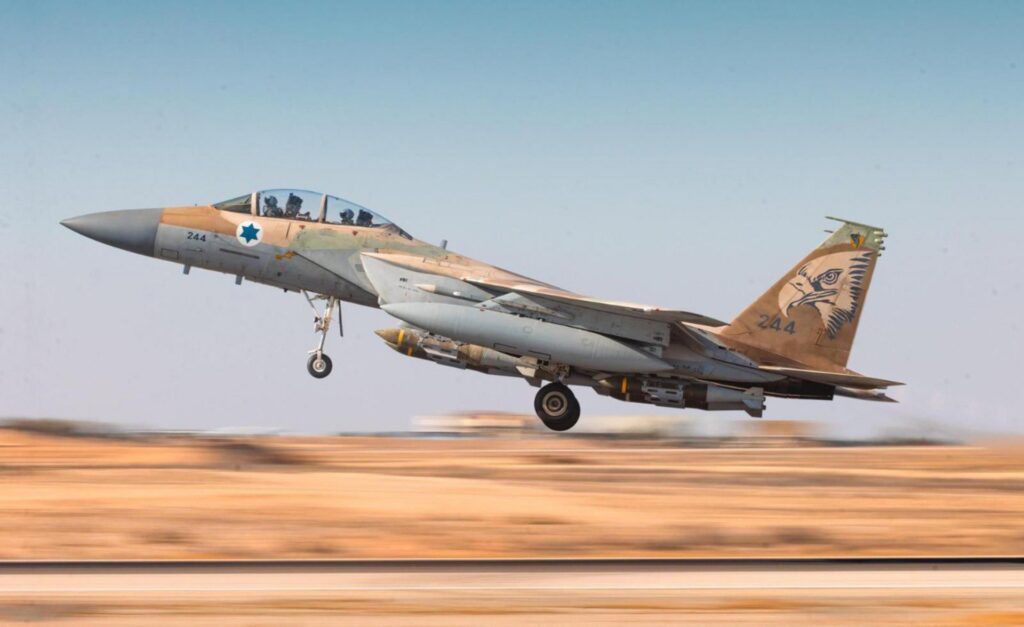
Israel ha confirmat avui dos atacs contra infrastructures nuclears a l’Iran: una planta d’aigua pesant a la província d’Arak i una fàbrica d’òxid d’urani a Yazd. Segons les autoritats iranianes, no hi ha risc de contaminació per a la població.
L’exèrcit israelià ha justificat el bombardament d’Arak perquè ha detectat intents de reparar una instal·lació que considera clau per a la producció de plutoni amb finalitats militars. També ha argumentat que l’operació responia a la voluntat de debilitar l’economia iraniana, atès que la planta generava ingressos importants.
Posteriorment, Israel ha confirmat un segon atac contra la planta d’òxid d’urani de Yazd, que ha qualificat d’única al país i essencial per al procés d’enriquiment nuclear. “No permetrem que el règim iranià avanci en el programa d’armes nuclears”, ha afirmat.
Les autoritats iranianes han confirmat els impactes i han assegurat que no hi havia hagut alliberament de materials radioactius. També han denunciat atacs contra dues fàbriques d’acer al sud-oest del país, sense víctimes.
El ministre d’Afers Estrangers iranià, Abbas Araghchi, ha condemnat els bombardaments i ha acusat Israel d’actuar coordinadament amb els Estats Units. Segons Teheran, aquestes accions contradiuen la pròrroga de la suspensió d’atacs anunciada pel president nord-americà, Donald Trump, que havia ampliat el termini diplomàtic fins rl 6 d’abril.
Araghchi ha advertit que l’Iran farà “pagar un preu alt” per aquests atacs, en un context d’escalada de les hostilitats a la regió.
Facts Only
Actors: Israel, Iran
Actions/Events: Bombardments, attacks
Locations: Arak (heavy water facility), Yazd (uranium oxide factory)
Dates: March 27, 2026
Executive Summary
Full Take
In analyzing this news article, several manipulation patterns emerge. The use of emotion is evident with the portrayal of Israel's actions as a response to the Iranian nuclear program, which creates fear and moral panic about potential military conflict (ARC-0024 Ambiguity). Furthermore, the article presents a false binary choice by implying that these attacks are either justified or not, without considering alternative strategies for addressing nuclear proliferation (ARC-0036 False Dilemma).
The narrative revolves around geopolitical power dynamics and tensions between Israel and Iran over their respective nuclear capabilities. The root cause of this conflict can be traced back to historical animosities, suspicions, and perceived threats on both sides (Root Cause).
Implications of the situation include increased tension in the Middle East and potential escalation of military actions. Moreover, the attacks risk further exacerbating regional instability and potentially destabilizing global non-proliferation efforts (Implications).
Bridge questions: What alternative strategies could be employed to address nuclear proliferation concerns? How might regional dynamics evolve in response to these attacks?
Assessing this content for potential influence campaign patterns, the article aligns with a hypothetical playbook focusing on exploiting emotions and presenting a simplified narrative to mobilize support for Israeli actions (Counterstrike Scan). However, it's important to note that not all articles will conform strictly to an attacker's playbook; this alignment should be viewed as a warning sign rather than absolute confirmation of manipulation.