South Africa
South African police said Wednesday that nationwide anti-immigration protests held the previous day were "mostly peaceful", despite isolated incidents of looting and criminal activity.
Around 900 people were arrested over the day, mostly undocumented foreign nationals and South African looters.
"South Africans exercised their constitutional right and the overwhelming majority did so peacefully, responsibly and within the framework of the prescribed laws," said South African Police Service Acting National Commissioner Tebello Mosikili.
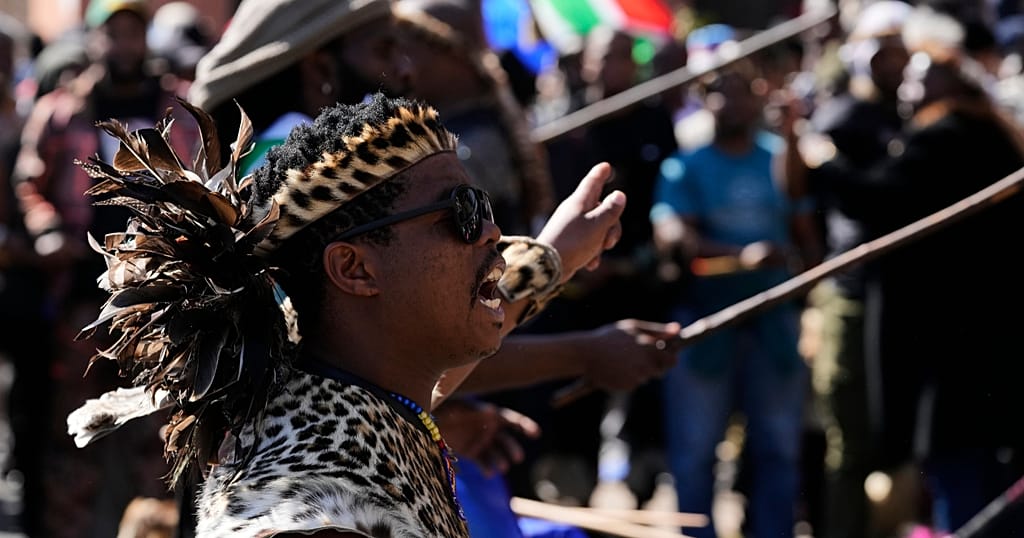
Thousands of protesters took part in the marches on Tuesday, calling for tougher action against illegal immigration.
The coordinated demonstrations followed a weeks-long campaign led by fringe groups for undocumented immigrants to go home by 30 June.
Police were out in force for the protests and overnight reinforcements were deployed to several areas including "Gauteng, Eastern Cape, KwaZulu Natal, Free State and Western Cape in response to isolated incidents of looting and criminality," Mosikili said Wednesday.
Across the country, several businesses believed to be owned by foreign nationals were looted and vandalised during the protests.
Some store owners estimated losses running into millions of rand and said they were uncertain whether they would be able to reopen.
Police also said they were investigating a murder in Johannesburg's crime-ridden township of Alexandra after a man was shot while people looted a shop owned by a foreign national.
01:45
Thousands flee as South Africa braces for anti-migrant deadline
01:19
South Africa manager Hugo Broos set to bow out after team's World Cup elimination
00:51
Thousands of Malawians await repatriation as South Africa braces for anti-migrant deadline
00:47
Canada edges South Africa to reach World Cup round of 16
01:16
Kenya Police sued over Nairobi lockdown during Gen Z protest anniversary
Sentinel — Human
The text exhibits the style and factual density of typical wire reporting, relying heavily on official sources, suggesting it was likely compiled by a human journalist or sourced from verified, structured data feeds.