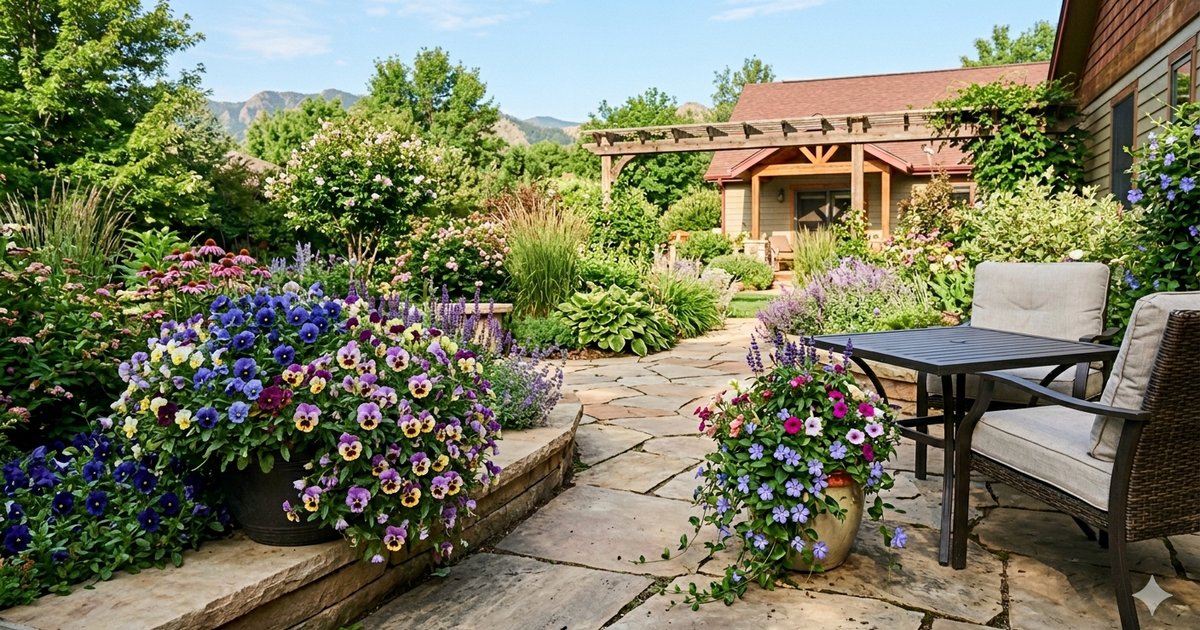
Violas are among the most charming and quietly resilient cool-season annuals available to gardeners. With their delicate, face-like blooms and surprisingly tough constitution, they bring color and personality to the early and late edges of the gardening season in Fort Collins and across the Front Range.
Often mistaken for smaller pansies, violas actually outperform many larger-flowered annuals when it comes to bloom longevity and cool-weather endurance. They are especially valuable in Colorado, where spring arrives early but true summer heat can be delayed—and fall often returns with unexpected gardening opportunities.
At [Plantorium.com](https://plantorium.com?utm_source=chatgpt.com violas are widely used in seasonal rotations for containers, borders, and transitional plantings where reliable cool-season color is needed.
Why Violas Perform So Well in Northern Colorado
Violas are naturally adapted to cool, moderate climates, making them especially well suited to Fort Collins’ variable spring and fall conditions.
They perform well because:
- They thrive in cool temperatures
- They tolerate light frost and chilly nights
- They bloom continuously in spring and fall conditions
- They produce a high number of small, long-lasting flowers
Their blooms come in a wide range of colors and patterns, including:
- Purple and violet
- Yellow
- White
- Blue
- Bi-color combinations with intricate markings
Despite their delicate appearance, violas are surprisingly tough and often persist longer than expected when temperatures remain moderate.
When to Plant Violas in Fort Collins
Violas are one of the earliest annuals gardeners can plant in the season.
In Northern Colorado:
- Spring planting can begin as early as March or April, depending on conditions
- They tolerate light frost and cool soil
- Fall planting is also highly effective for extended seasonal color
They are often used to bridge seasonal transitions—early spring before heat-loving annuals and again in fall as temperatures cool.
Sunlight Requirements
Violas prefer cooler light conditions and perform best outside of intense heat.
In the Front Range:
- Partial sun is ideal
- Morning sun with afternoon shade extends bloom life
- Full sun is acceptable in cool seasons
- Deep shade may reduce flowering
In Fort Collins’ spring climate, they often perform beautifully in nearly full sun until summer heat arrives.
Soil and Growing Conditions
Violas prefer well-draining, moderately fertile soil with consistent moisture.
For best results:
- Amend soil with compost before planting
- Avoid compacted or poorly drained areas
- Use quality potting mix in containers
They prefer soil that stays evenly moist but not saturated.
Watering in a Front Range Climate
Violas perform best with steady, moderate moisture.
Recommended approach:
- Water regularly to maintain even soil moisture
- Avoid letting soil dry out completely
- Increase watering during warm spring spells
- Reduce watering during cool, damp periods
In containers, more frequent monitoring is needed due to rapid drying in sun and wind.
Fertilizing for Continuous Bloom
Violas benefit from light, consistent feeding to maintain their long flowering season.
A balanced fertilizer every few weeks helps:
- Support continuous flower production
- Maintain compact growth
- Encourage vibrant color
Avoid excessive nitrogen, which can reduce flowering in favor of foliage.
Garden Role and Design Use
Violas are primarily used for seasonal color, edging, and container detail work.
They work especially well in:
- Spring container displays
- Border edging along walkways
- Mixed cool-season beds
- Hanging baskets and window boxes
- Mass planting for soft color carpets
In Fort Collins landscapes, they are often paired with snapdragons and stock to create layered spring compositions.
Edible and Sensory Qualities
Violas are sometimes used as edible flowers in culinary applications, adding visual appeal to salads and desserts. While this is more of a specialty use, it highlights their gentle, approachable nature in garden design.
Handling Colorado Weather
Violas are well adapted to cool Front Range conditions but are not heat-loving plants.
They tolerate:
- Light frost
- Cool nights
- Early spring variability
- Fall temperature drops
They are sensitive to:
- Summer heat
- Extended drought
- High wind stress without moisture
As temperatures rise in late spring, flowering often slows, but plants can rebound again in fall if replanted or maintained in partial shade.
Companion Planting
Violas pair beautifully with other cool-season annuals and transitional plantings.
Excellent companions include:
- Pansies
- Snapdragons
- Stock
- Dusty Miller
- Sweet Alyssum
- Early-season ornamental kale
Their small blooms provide fine texture that complements larger, more structural flowers.
A Small Flower with Remarkable Persistence
Violas may be modest in size, but they are exceptional in endurance and charm. Their ability to thrive in cool, variable weather makes them one of the most reliable seasonal performers in Colorado gardens.
In Fort Collins and across the Front Range, they remain a trusted choice for gardeners who want early and late-season color without demanding care.
Explore seasonal availability and additional annuals at [Plantorium.com’s full plant catalog](https://plantorium.com/all-plants/?utm_source=chatgpt.com
Facts Only
Violas are cool-season annuals adapted to Fort Collins and the Front Range.
They outperform larger-flowered annuals in bloom longevity and cool-weather endurance.
Blooms come in purple, violet, yellow, white, blue, and bi-color patterns.
Spring planting in Northern Colorado can begin as early as March or April.
Fall planting is also effective for extended seasonal color.
Violas prefer partial sun, with morning sun and afternoon shade ideal.
They require well-draining, moderately fertile soil with consistent moisture.
Regular watering is needed, with adjustments for temperature fluctuations.
Light, balanced fertilization supports continuous flowering.
Common uses include containers, borders, hanging baskets, and mass plantings.
They tolerate light frost and cool nights but are sensitive to summer heat.
Companion plants include pansies, snapdragons, stock, and sweet alyssum.
Executive Summary
Full Take
This article presents violas as a resilient, low-maintenance option for Northern Colorado gardeners, emphasizing their adaptability to cool, variable climates. The narrative is straightforward and practical, focusing on horticultural benefits without overt manipulation. However, it subtly frames violas as a superior choice by contrasting them with "larger-flowered annuals," which may imply a false binary—other plants might also thrive in similar conditions. The piece leans on authority by referencing Plantorium.com, though no conflicting perspectives are presented.
The underlying paradigm assumes that gardeners prioritize ease and reliability, which aligns with broader trends in sustainable, low-input landscaping. The implications are largely positive: violas offer accessible beauty and functionality, particularly for those with limited time or resources. Yet, the lack of discussion about potential drawbacks (e.g., pest susceptibility, specific soil pH needs) could lead to overconfidence in their performance.
Bridge questions: How do violas compare to native cool-season plants in terms of ecological benefits? What are the trade-offs between violas and other frost-tolerant annuals in water usage or pollinator support? Would a side-by-side trial in Fort Collins gardens reveal different performance than described?
Counterstrike scan: A coordinated campaign might exaggerate violas' resilience while downplaying alternatives, but this article provides balanced horticultural advice without signs of manipulation. No structural alignment with influence tactics detected.
Patterns detected: none
Sentinel — Likely Human
This analysis is a highly structured, fact-heavy piece of content that exhibits strong characteristics of AI-assisted synthesis, presenting generalized horticultural knowledge in a perfectly organized, template-driven manner.