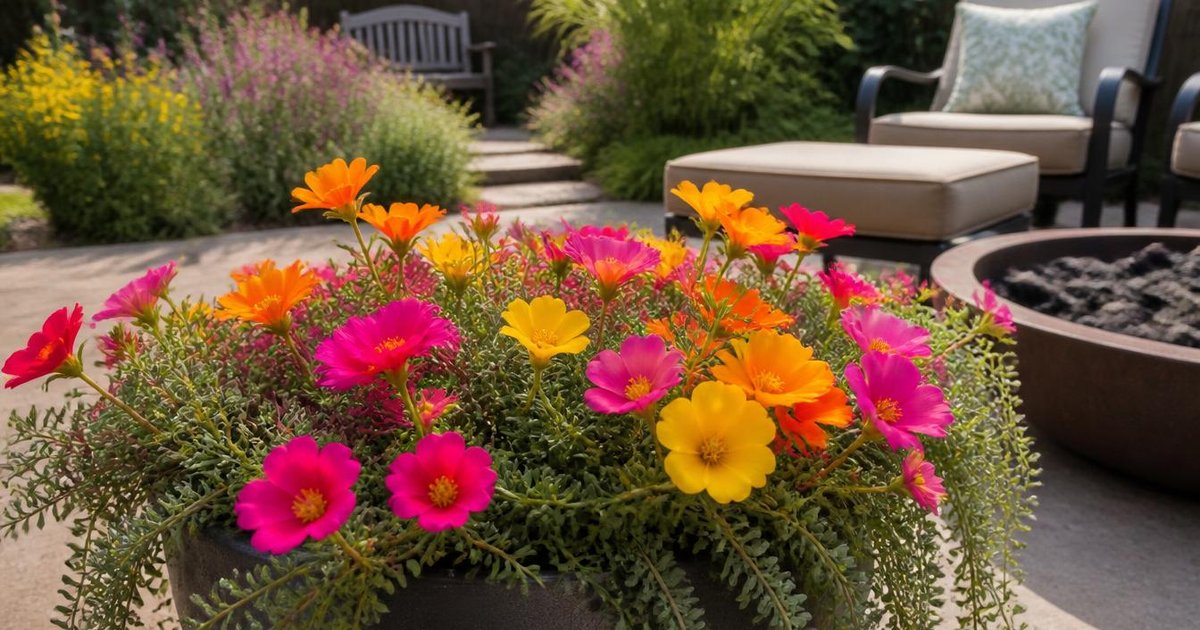
Portulaca, commonly known as moss rose, is one of the most resilient and sun-loving annuals a gardener can grow. In the heat and brightness of Fort Collins and the greater Front Range, it behaves almost like a living jewel—opening its vivid, cup-shaped blooms only when the sun is high and thriving in conditions that challenge many other flowering plants.
For gardeners seeking bold color in hot, dry, high-light spaces, portulaca is one of the most dependable choices available.
At [Plantorium.com](https://plantorium.com?utm_source=chatgpt.com moss rose is especially valued for rock gardens, hot containers, and low-water summer plantings where durability matters as much as beauty.
Why Portulaca Thrives in Northern Colorado
Portulaca is naturally adapted to arid, sandy environments, making it exceptionally well-suited to Colorado’s Front Range climate.
It excels because:
- It loves intense sunlight and heat
- It tolerates drought extremely well once established
- It thrives in poor to average soils
- It resists dry air and wind exposure
Unlike many annuals that struggle in midsummer heat, portulaca becomes more vigorous as temperatures rise.
The plant produces low, spreading mats of succulent-like foliage topped with bright, satiny flowers in shades of:
- Hot pink
- Yellow
- Orange
- Red
- White
- Mixed color blends
The blooms typically open in full sun and close in the evening or on cloudy days, giving them a dynamic, living quality.
When to Plant Portulaca in Fort Collins
Portulaca is extremely sensitive to cold and should only be planted after all danger of frost has passed.
In Fort Collins and surrounding areas, this generally means mid-May or later.
Once soil temperatures warm, portulaca establishes quickly and begins spreading almost immediately, especially in sunny, well-drained locations.
Sunlight Requirements
Full sun is essential for best performance.
In Northern Colorado, portulaca should receive:
- At least 6–8 hours of direct sunlight daily
- Open exposure with no shade from structures or trees
In lower light conditions, plants tend to produce fewer blooms and may not open flowers fully.
In full Front Range sun, however, portulaca often becomes one of the most floriferous plants in the entire summer garden.
Soil and Growing Conditions
Portulaca prefers lean, fast-draining soil.
It performs best in:
- Sandy or gravelly soils
- Rock gardens
- Raised beds
- Containers with excellent drainage
Heavy clay soils should be amended or avoided, as overly rich or wet conditions can reduce performance.
Unlike many annuals, portulaca does not require highly fertile soil to thrive—in fact, overly rich soil can reduce flowering.
Watering in a Dry Climate
One of portulaca’s greatest strengths is its drought tolerance.
Watering guidelines:
- Water deeply but infrequently once established
- Allow soil to dry between waterings
- Avoid constant moisture or soggy conditions
- Reduce watering during cooler periods
In Fort Collins’ dry summer climate, this makes portulaca especially valuable for low-maintenance gardens and water-wise landscapes.
Fertilizing for Best Bloom
Portulaca requires minimal feeding.
A light application of balanced fertilizer at planting time is often sufficient. Too much fertilizer can lead to excessive foliage growth at the expense of flowers.
In lean soils, occasional light feeding may help maintain bloom production, but restraint is generally better than excess.
Garden Role and Design Use
Portulaca is primarily used as a groundcover-style annual or container spiller in hot, sunny spaces.
It works especially well in:
- Rock gardens
- Dry border edges
- Hot patio containers
- Hanging baskets (where it cascades attractively)
- Gravel and xeriscape-style plantings
In Fort Collins landscapes, it is often used in areas where irrigation is limited or where reflected heat makes other plants struggle.
Handling Colorado Weather
Portulaca is one of the most heat-tolerant annuals available for Front Range gardeners.
It handles:
- Extreme heat
- Direct, intense sunlight
- Dry winds
- Poor soils
It is sensitive to:
- Frost (very tender)
- Overwatering
- Extended cloudy periods (flowers may not open fully)
Once established, it often continues performing through the hottest part of summer when many other annuals slow down.
Companion Planting
Portulaca pairs well with other sun and heat-loving annuals that share its low-water preferences.
Excellent companions include:
- Verbena
- Lantana
- Calibrachoa
- Sedum
- Ornamental grasses
- Eucalyptus (in containers)
Its low, spreading habit makes it ideal for softening edges and filling gaps between larger plants.
A Heat-Loving Gem for Colorado Summers
Portulaca is a reminder that not all garden beauty requires constant attention or perfect conditions. In fact, some of the most striking displays emerge from plants that thrive on simplicity, sun, and dry air.
For gardeners in Fort Collins and across the Front Range, moss rose offers a dependable way to bring vibrant, sun-powered color into the hottest, driest parts of the landscape.
It is low-maintenance, high-impact, and perfectly adapted to Colorado’s summer climate.
Explore seasonal availability and additional annuals at [Plantorium.com’s full plant catalog](https://plantorium.com/all-plants/?utm_source=chatgpt.com
Facts Only
Portulaca, also called moss rose, is an annual plant that thrives in hot, dry, and sunny environments.
It is well-adapted to the climate of Fort Collins and the Front Range in Colorado.
The plant produces vivid, cup-shaped flowers that open in full sun and close in the evening or on cloudy days.
Portulaca is highly drought-tolerant and prefers lean, fast-draining soils.
It should be planted after the last frost date, typically mid-May or later in Northern Colorado.
The plant requires at least 6–8 hours of direct sunlight daily for optimal performance.
It is sensitive to frost, overwatering, and extended cloudy periods.
Portulaca is often used in rock gardens, containers, and xeriscape-style plantings.
It pairs well with other sun and heat-loving plants like verbena, lantana, and sedum.
The plant is low-maintenance and requires minimal fertilization.
Portulaca is available for purchase at Plantorium.com.
Executive Summary
Full Take
This article presents portulaca as an ideal plant for the challenging climate of Northern Colorado, emphasizing its resilience, low maintenance, and vibrant aesthetic appeal. The narrative is straightforward and informative, focusing on the practical benefits of the plant without overt manipulation. However, it is worth noting the subtle framing of portulaca as a "living jewel" and a "heat-loving gem," which could be seen as a form of emotional appeal to gardeners seeking beauty and ease. The article does not engage in distortion or bad faith tactics; instead, it provides clear, actionable information about the plant's care and suitability for the region.
The root cause of this narrative is the growing interest in drought-tolerant and low-maintenance gardening, particularly in regions with water scarcity and extreme weather conditions. The article assumes that readers are seeking plants that can thrive with minimal intervention, reflecting broader trends in sustainable landscaping. The implications of this narrative are largely positive, as it promotes water-wise gardening practices and highlights a plant that can enhance biodiversity in arid environments. However, it is important to consider whether the focus on portulaca's resilience might overshadow other native or adaptive plants that could also serve similar purposes.
Bridge questions to consider: What other drought-tolerant plants might be equally or more suitable for Northern Colorado gardens? How does the promotion of non-native plants like portulaca impact local ecosystems? What are the long-term effects of relying on a single plant species for landscaping in a changing climate?
Patterns detected: none
Counterstrike scan: If this narrative were part of a coordinated influence campaign, it might focus on promoting specific products or brands (e.g., Plantorium.com) under the guise of educational content. However, the article does not exhibit signs of such manipulation, as it provides genuine horticultural advice without excessive commercialization.
Sentinel — Likely Human
The text is highly polished, structured, and perfectly coherent, exhibiting signs of AI-assisted synthesis designed for readability and persuasive flow, likely drawing on established horticultural knowledge.