(OSV News) — Francisco Bocel remembers the night three assassins forced him to bring them to Father Stanley Rother. Bocel shared how he still carries that traumatic moment with him — one of many being featured — in an upcoming documentary on the life of the slain priest.
“American Martyr: The Stanley Rother Story,” scheduled to be released in theaters nationwide Aug. 26-27, tells the story of Blessed Stanley Rother through those who knew him — parishioners, catechists and family members — as well as those currently involved in his cause for canonization.
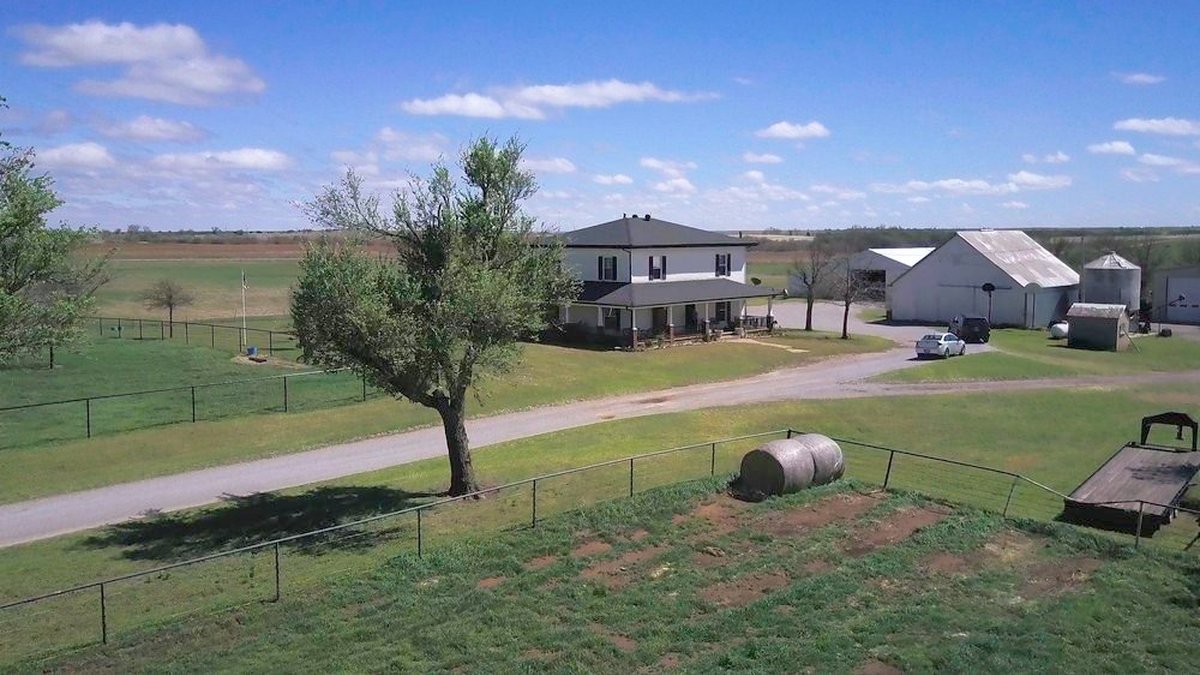
Born and raised in the small town of Okarche, Oklahoma, about an hour northwest of Oklahoma City, Stanley Rother became a priest of what was then the Diocese of Oklahoma City-Tulsa in 1963. Five years later, he joined the diocese’s mission staff in Santiago Atítlan, Guatemala, where he spent the remainder of his life and ministry. By helping improve the lives of the people he served, Father Stanley — or “Padre Apla’s” as the Tz’utujil Maya called him — was considered a threat. In the early morning hours of July 28, 1981, the three gunmen killed him.
His cause was opened in 2007, and in 2016, Pope Francis officially recognized his martyrdom, clearing the way for his beatification the following year. The Archdiocese of Oklahoma City built a shrine to Blessed Rother and dedicated it in 2023.
Director Derek Watson from Lampstand Story Company filmed on location in Oklahoma and Guatemala, as well as other sites significant to Blessed Rother’s life. The company had previously produced an award-winning mini-documentary on Blessed Rother, “An Ordinary Martyr: The Life and Death of Blessed Stanley Rother,” which premiered at the beatification. While in Santiago, Watson experienced walking in the martyred priest’s footsteps not only in the church but in the homes of the parishioners he visited.
[Read: Blessed Stanley Rother’s Oklahoma roots]
“A lot of those interviews were conducted in their homes, on their porches. This is a story that means something to them. They remember the moment July 28 when they woke up to know that their beloved priest and father and friend had been essentially executed; those are hard, dark moments, and they relived them for us,” Watson said. “But it’s also the moments of joy, too. We tend to start off with what life was like in Santiago, what it was like to be in Blessed Stan’s presence, and they speak with such joy.”
Emmy- and Golden Globe-winning actor Martin Sheen narrates the documentary. The acclaimed Catholic actor read “The Shepherd Who Didn’t Run” — the official biography of Blessed Rother by cause promoter María Ruíz Scaperlanda — and felt drawn to the story, Scaperlanda said.
“I have been very touched by his generous spirit in wanting to do something that he knew would enrich the faith of a person,” said Scaperlanda, who also serves as an executive producer for the film. “The idea that a person living in Malibu who is clearly a high-ranking actor that this is something that matters to him because he fell in love with this farmer from Oklahoma and sees him as a model that he can emulate, that’s all very moving to me.”
When Archbishop Paul S. Coakley of Oklahoma City is asked in the documentary what it would take for Blessed Rother to be canonized, he replies simply with, “It will take a miracle.”
Expanding on that, the archbishop — who also serves as executive producer — told OSV News that he doesn’t mean that as an impossibility; rather, it’s a trust and hope for God’s glory to be manifested through miracles due to Blessed Rother’s intercession.
“I offer that as a real possibility and an encouragement to seek his intercession. We have been receiving for years reports of favors due to the intercession of Blessed Stanley Rother, and it is one of the principal reasons that I really was behind this project. I want more people to learn about his life,” Archbishop Coakley said.
“We need to get not just his name out there but his reputation for holiness and heroic virtue and sanctity before the people of God,” he said. “I think this film will be a good way to introduce more people to his life and experience the attractiveness of this holy priest and seek his intercession.”
Famously, Father Rother failed his first attempt at the seminary because he had trouble learning Latin. He got a second chance when he was accepted to Mount St. Mary’s Seminary in Emmitsburg, Maryland. Always the farm boy, even there, he’d be known for working with his hands and tending the garden.
When Father Rother was killed, Archbishop Coakley was a seminarian at Mount St. Mary’s. When students returned for classes that fall, Father Rother’s parents and sister visited the seminary and placed a memorial plaque in the garden that he cared for.
“I found his life to be very appealing, very attractive in some powerful way, so, anything that I could find about Father Rother, I would devour,” Archbishop Coakley recalled. “I remember clearly when I received the phone call telling me that I was to be the next archbishop of Oklahoma City, the one thing I knew about the Archdiocese of Oklahoma City was that’s where Blessed Stanley had been from.
“Before the announcement was made, I did a little secret pilgrimage and came to Okarche, Oklahoma, to lay my ministry here in Oklahoma before Blessed Father Stanley and ask for his intercession.”
The irony of not being able to learn Latin became apparent when Father Rother learned not only Spanish but also the Tz’utujil language — the primary language of the Indigenous people whom he served. While in Guatemala, he worked to translate the New Testament into Tz’utujil, introduced modern farming methods and started a local radio station to help catechize and unite the villages in the area served by the mission.
With a civil war raging in Guatemala, the people would be caught in the middle of the supporters of the military government and rebels with both sides committing atrocities. In the midst of this, people from Santiago Atítlan began disappearing, including parish volunteers and catechists. Father Rother wrote letters home — featured in the documentary — describing the violence and noting when priests in other parts of the country were killed.
With his name and the name of his associate, Father Pedro Bocel, on a death list, he returned briefly to Oklahoma in early 1981. In the documentary, Scaperlanda described this as his “Garden of Gethsemane moment.”
“When you hear the stories of the people that he went to see and who he spent time with, it’s clear that they described him as weighing all the sides of this but knowing in his heart and in their own hearts that he knew where he needed to be, and he was ready to do it,” Scaperlanda told OSV News.
Although Watson, the director, is not Catholic — he attends Frontline Church in downtown Oklahoma City — Blessed Rother’s story resonates beyond the Catholic world. Being from “flyover country,” the priest draws people in from all over Oklahoma — regardless of faith — as well as other parts of the world.
“It is an attractive story, not just for Catholics and not just for Protestants but I think for a world who is looking and yearning for Jesus. Here’s a man who selflessly gave up his life, and it was used by God in such an incredible way to use his gifts and his talents as a farmer, as a priest, as just a man who could fix anything, and who had a desire to be incarnational with his parishioners,” Watson said. “It’s a story that draws you in, and that’s what I’m excited about for this film.”
Facts Only
* Francisco Bocel remembers the night three assassins forced him to bring them to Father Stanley Rother.
* The documentary "American Martyr: The Stanley Rother Story" is scheduled for release on August 26-27.
* Stanley Rother was born and raised in Okarche, Oklahoma.
* He became a priest of the Diocese of Oklahoma City-Tulsa in 1963.
* Rother spent the remainder of his life and ministry in Santiago Atítlan, Guatemala.
* The three gunmen killed him in the early morning hours of July 28, 1981.
* His cause for canonization was opened in 2007.
* Pope Francis officially recognized his martyrdom in 2016, leading to beatification the following year.
* The Archdiocese of Oklahoma City built a shrine to Blessed Rother in 2023.
* Director Derek Watson filmed on location in Oklahoma and Guatemala.
* Father Rother learned Spanish and the Tz’utujil language, and worked to translate the New Testament into Tz’utujil.
Executive Summary
Francisco Bocel shared a traumatic experience involving three assassins who forced him to bring them to Father Stanley Rother. This event is featured in an upcoming documentary titled "American Martyr: The Stanley Rother Story," scheduled for release on August 26-27. The film tells the story of Blessed Stanley Rother through the recollections of parishioners, catechists, family members, and those involved in his canonization cause.
Stanley Rother was born in Okarche, Oklahoma, and became a priest in 1963, spending the remainder of his life and ministry in Santiago Atítlan, Guatemala. He was considered a threat due to his work improving the lives of the people he served. On the morning of July 28, 1981, Rother was killed by three gunmen. His cause for canonization began in 2007, and Pope Francis officially recognized his martyrdom in 2016, leading to his beatification the following year. The Archdiocese of Oklahoma City built a shrine dedicated to Blessed Rother in 2023.
Director Derek Watson filmed on location in Oklahoma and Guatemala, focusing on interactions with the community. Interviews conducted in homes allowed participants to relive the moment they learned of their priest's execution, alongside memories of joy from his presence. Martin Sheen narrates the documentary while reading the official biography. Archbishop Paul S. Coakley stated that canonization would require a miracle, which he views as a trust and hope for God’s glory through intercession. He also cited reports of favors received due to Rother's intercession as reasons for his involvement in the project.
Full Take
The narrative frames a life of selfless service and martyrdom, drawing significant resonance across religious and secular lines. The transition from personal tragedy—the murder and subsequent spiritual recognition—to public advocacy for canonization establishes a powerful moral arc. The emphasis on the memories shared by parishioners, particularly those recounting the moment they learned of his execution in their homes, positions the documentation not merely as biographical history but as an experiential record of profound loss and enduring faith.
A significant tension exists between the requests for divine intervention (the need for a miracle to achieve canonization) and the Archbishop’s framing of this request as active trust and encouragement to seek intercession. This reflects a negotiation between human petition and theological expectation, suggesting that the pursuit of recognition is framed as an act of faith participation rather than mere transactional demand. Furthermore, the exploration of Rother's life—from a humble background to his cross-cultural ministry involving linguistic work and social reform—suggests an embedded pattern where vulnerability and deep commitment translate into perceived holiness by external observers. The final observation about the story’s appeal across religious divides suggests that narratives of profound personal sacrifice possess a universal gravitational pull, positioning the individual's agency within a larger context of human yearning for transcendent meaning.
Bridge Questions: How do different cultural frameworks interpret the concept of 'miracle' in the context of historical recognition? What are the implications of framing the pursuit of holiness as an appeal to intercession for specific external favors? How does the juxtaposition of Rother’s earthly accomplishments (farming, teaching) with his spiritual status shape the modern public perception of sanctity?
Sentinel — Human
The text exhibits the reflective tone and layered presentation characteristic of feature journalism or documentary scripting, suggesting a strong human editorial hand guiding the narrative structure.