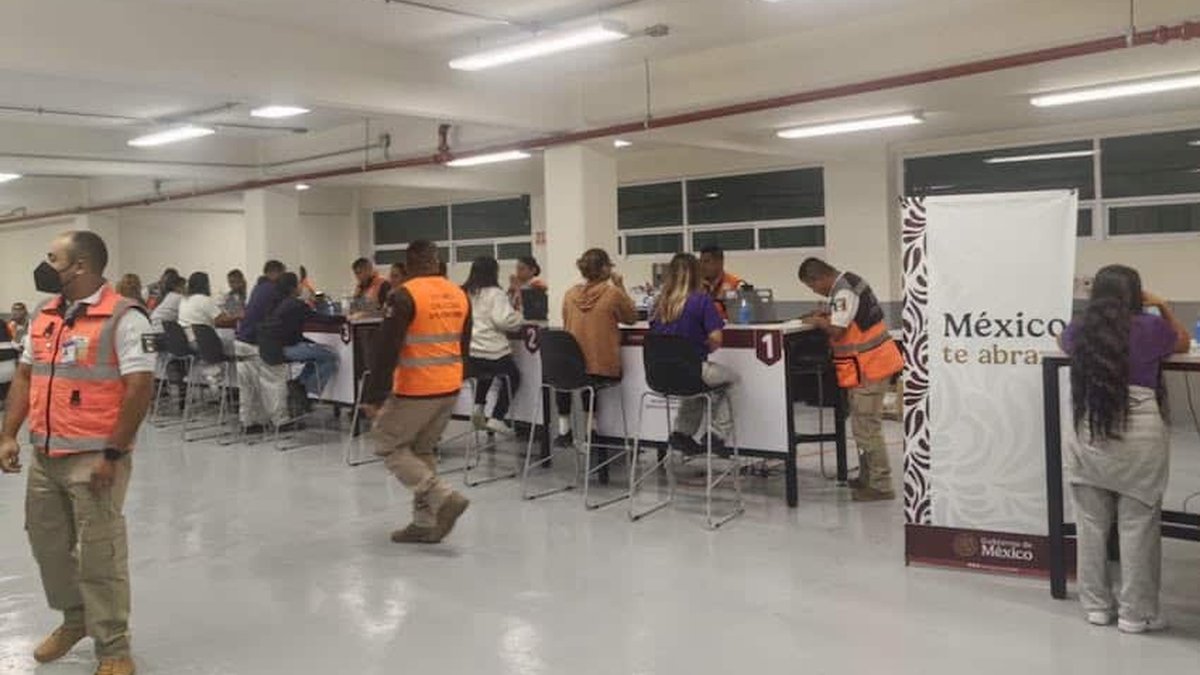
Reacting to draconian immigration policies enacted when Donald Trump began his second term as U.S. president, President Claudia Sheinbaum launched the “Mexico Embraces You” program (“México te abraza”) to support deported citizens with financial assistance, medical care, documents and temporary housing.
Now, however, as fewer Mexicans are being deported and returned home, the government has closed several of the shelters, but not all. “Some were [closed], and most were made smaller, but they remain ready to receive those who arrive,” Sheinbaum said last week, adding that facilities continue to operate at key locations, especially for those arriving by land.
Sheinbaum said the program is currently focused on southern cities such as Villahermosa, Tabasco, and Tapachula, Chiapas, where the largest number of deported Mexicans have been received. There is also a well-staffed shelter at Mexico City’s Felipe Ángeles International Airport, which is still receiving repatriation flights from the United States.
“They are welcomed home, supported and given a Paisano card (a 2,000-peso debit card, or roughly US $115) which provides resources allowing them to travel to their destinations,” she said. “We inform them of all the support available, including access to employment.”
Interior Minister Rosa Icela Rodríguez said the government is constantly reviewing the network of shelters to ensure that resources are allocated efficiently. Sheinbaum said Rodríguez will supply details about which shelters had been closed and how funds were being distributed.
Returning migrants interviewed by the Conexión Migrante media outlet said that even though the support is limited, they appreciate the fact that the government is making an effort to assist them.
What returnees want more than anything else, most said, is to be treated with respect.
“We don’t want special treatment, just respect and patience,” one of them told Conexión Migrante.
Many of those repatriated have spent months in detention centers in the United States, the interviewed returnee said, and yet, upon returning, they face bureaucracy, mistreatment and offensive remarks.
The lack of respect he described includes criticism of children who have lived most or all of their lives in the United States and don’t speak Spanish.
With reports from El Heraldo de Chiapas, Conexión Migrante and Infobae