By Isabelle Durso July 17, 2026 2:54 pm
reprintsColumbia University is adding a new student housing project to its dormitory portfolio in northern Manhattan.
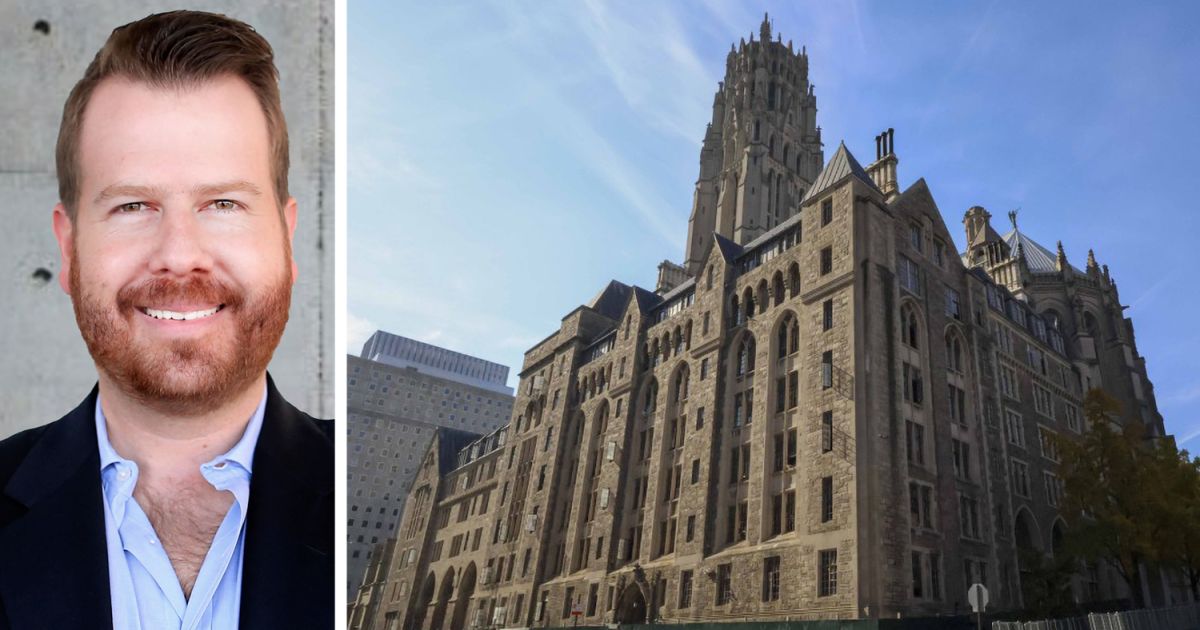
Sam Charney’s Charney Companies sold its more than 300-unit project at 99 Claremont Avenue in Morningside Heights to the Ivy League university for $122 million, a source close to the deal confirmed. The Real Deal first reported the deal.
Charney, along with Criterion Real Estate Capital, acquired the 80,000-square-foot building, which was originally a smaller 82-unit dorm next to Riverside Church, from an affiliate of the church for $38 million in 2024, with plans to convert it into luxury student housing. The joint venture secured $55 million of acquisition financing from Madison Realty Capital to purchase and redevelop the historic property, then known as McGiffert Hall, as Commercial Observer previously reported.
“The opportunity to restore a historic, irreplaceable 92-year-old building with all the beauty that 99 Claremont offers while providing critically needed best-in-class student housing to New York City is a tremendous one,” Sam Charney said in 2024 following the acquisition.
The finished project will be Columbia’s first residence hall dedicated to students in its School of General Studies (GS), according to a press release from Columbia in March. The dormitory will open in the fall.
“This milestone reflects our commitment to meeting one of the most significant needs within our student population: accessible, community-centered housing designed specifically for nontraditional undergraduate students,” Lisa Rosen-Metsch, dean of Columbia’s School of General Studies, wrote in the March release. “Its close proximity to Morningside campus will reduce commute times and increase opportunities for students to deepen their engagement with one another, essential for the community building that is a hallmark of the GS experience.”
Spokespeople for Charney and Columbia did not immediately respond to requests for comment.
In addition to housing more than 300 students, the new student housing property at the corner of Claremont Avenue and West 122nd Street will feature more than 79,000 square feet of study and activity space, including a fitness center, a lounge, a communal kitchen, and a roof deck.
Isabelle Durso can be reached at idurso@commercialobserver.com.
Facts Only
* Sam Charney’s Charney Companies sold the project at 99 Claremont Avenue to Columbia University for $122 million.
* The acquisition involved an 80,000-square-foot building originally containing 82 dorm units next to Riverside Church.
* Charney and Criterion Real Estate Capital acquired the property.
* Acquisition financing of $55 million was secured from Madison Realty Capital.
* The finished project will be Columbia’s first residence hall for students in the School of General Studies (GS).
* The dormitory is scheduled to open in the fall.
* The new property will feature over 79,000 square feet of study and activity space.
* Amenities include a fitness center, lounge, communal kitchen, and a roof deck.
Executive Summary
Columbia University has acquired a student housing project in Morningside Heights for $122 million. This transaction involved Sam Charney’s Charney Companies selling the 300-unit project at 99 Claremont Avenue to the university. The property, which was originally a smaller dorm next to Riverside Church, is slated for redevelopment into luxury student housing. A joint venture involving Charney and Criterion Real Estate Capital secured financing from Madison Realty Capital for this acquisition and redevelopment.
The new residence hall will be Columbia’s first facility dedicated to students in the School of General Studies (GS). This development aims to address the need for accessible, community-centered housing near the Morningside campus. The project is planned to open in the fall. The resulting property will include over 79,000 square feet of study and activity space, amenities such as a fitness center, lounge, communal kitchen, and a roof deck.
Full Take
The narrative centers on the intersection of historical preservation, institutional mission, and market-driven development in an urban context. The transaction highlights how significant institutional needs—providing specialized housing for nontraditional undergraduates—can intersect with high-value real estate assets located in desirable neighborhoods like Morningside Heights. The shift from a historic structure to luxury student housing reflects a tension between the legacy of a 92-year-old building and the imperative to meet contemporary educational demands.
The focus on the School of General Studies (GS) suggests an attempt by Columbia to operationalize its community-building philosophy through physical infrastructure, positioning this new hall not merely as housing but as a core component of a unique student experience. The use of a successful real estate transaction to fund this initiative demonstrates a strategy where capital is leveraged to achieve programmatic goals. The implication for broader urban development is whether such high-value conversions prioritize public good—accessible, community-centered housing—or purely financial return.
The question arises: how much agency remains with the institution in defining the purpose of these physical spaces when they are valued so highly on the speculative market? What assumptions underpin the valuation of "historic beauty" versus "critically needed housing," and who ultimately benefits from framing student accommodation through a lens of academic philosophy?