Bakı. Trend:
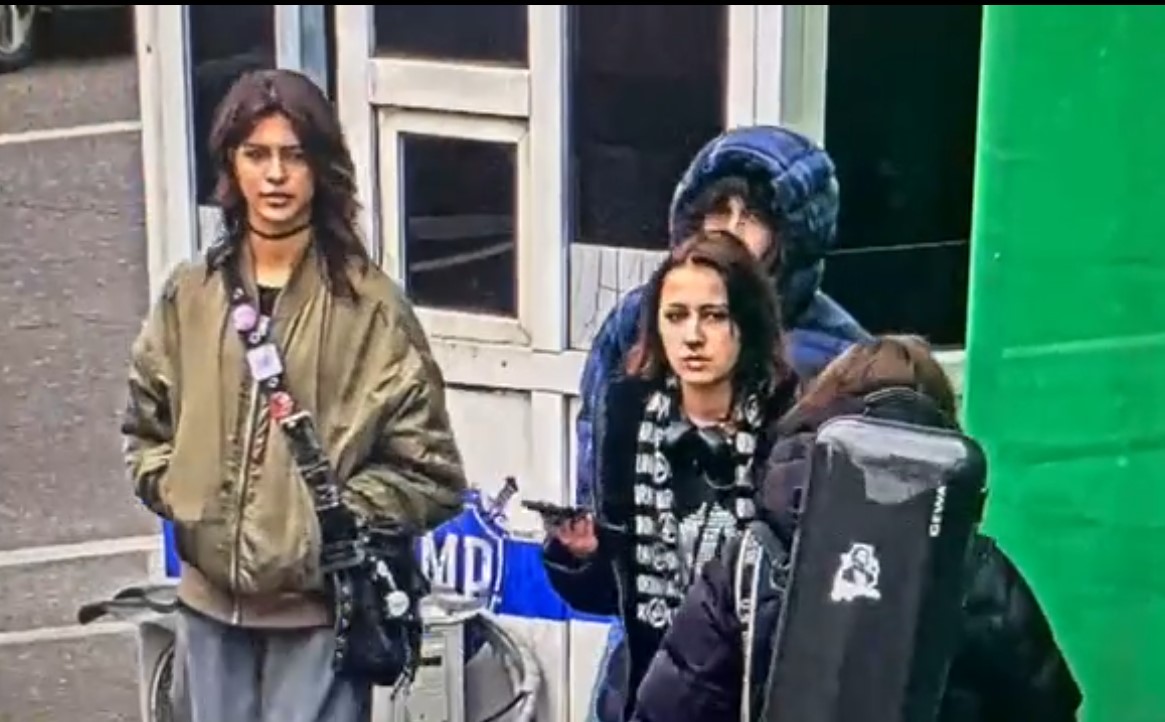
Bakıda Nizami Kino Mərkəzinin divarına qraffiti çəkilməsinin görüntüsü yayılıb.
Trend xəbər verir ki, təhlükəsizlik kameraları qraffitini çəkən şəxsləri bir neçə dəfə görüntüləyib.
Qeyd edək ki, Nizami Kino Mərkəzinin divarlarına qraffiti çəkən şəxslərin kimliyi məlum olub.
Bunlar 2009-cu ildə Bakı şəhərində anadan olmuş, “Landau School”un 11-ci sinif şagirdi Bərxudayeva Münəvvər Taleh qızı, 2010-cu ildə Bakı şəhərində anadan olmuş, “Landau School”un 10-cu sinif şagirdi Muradi Layla Samir qızı, 2010-cu ildə Bakı şəhərində anadan olmuş, 10 nömrəli məktəbin 9-cu sinif şagirdi Qaraşlı Şəfiqə Farid qızı və 2006-cı ildə İranda anadan olmuş, 01.09.2024-cü ildən Azərbaycanda yaşayan Belarus vətəndaşı, ADA Universitetinin II kurs tələbəsi Ardeshir Seyfpour Saad Abadidir.
Ardeshir Seyfpour Saad Abadi qraffiti dizaynerdir və “İnstagram”da “temacreworiginal” adlı hesabda öz qraffiti nümunələrini paylaşıb.
Ardeshir Seyfpour Saad Abadinin atası Omid Seyfpour Saad Abadi 2024-cü ildən Azərbaycanda yaşayır, “Denizkala” şirkətində menecer işləyir.
Layla Muradinin atası Muradi Samir “Best Events” MMC şirkətinin baş direktorudur.
Şəfiqə Qaraşlının atası Qaraşov Farid taksi fəaliyyəti ilə məşğul olur.
Münəvvər Bərxudayevanın atası Bərxudayev Taleh isə “Hallibörton Yeureyja Limited” şirkətinin filialında xidmət operatorudur.
Qeyd edək ki, aprelin 1-dən 2-nə keçən gecə Bakı şəhəri, Bülbül prospekti 20 ünvanında yerləşən ölkə əhəmiyyətli memarlıq abidəsi (123 inventar nömrəli) olan Nizami Kino Mərkəzinin binası müdaxiləyə məruz qalıb.
Adları qeyd olunan şəxslər binanın fasadına boya vasitəsilə cızma-qara edib, müxtəlif söz və ifadələr yazıblar.
Binaya edilmiş müdaxilə qısa müddət ərzində aradan qaldırılıb, ilkin görünüş bərpa olunub.
Nizami Kino Mərkəzinin divarına qraffiti çəkilməsi faktı üzrə cinayət işi açılıb.
Vurğulayaq ki, hadisə ictimai rəydə müzakirələrə və qınağa səbəb olub. Bakının mərkəzində tarixi-mədəni abidənin divarının zədələnməsi vandallıq aktı kimi qiymətləndirilir.
Facts Only
Munevver Taleh Berxudayeva, Layla Samir Muradi, Sefiqe Farid Qaraşlı, and Ardeshir Seyfpour Saad Abadi are responsible for the graffiti on Nizami Cinema Complex in Baku.
Munevver Berxudayev's father is Taleh Berxudayev, who works for a division of the Halliburton Yeureyja Limited company.
Layla Murad's father is Samir Muradi, who is the CEO of "Best Events" MMC company.
Sefiqe Qaraşlı's father is Farid Qaraşov, engaged in taxi services.
Ardeshir Seyfpour Saad Abadi is a graffiti designer and shares his original work on Instagram under the account "temacreworiginal."
Omid Seyfpour Saad Abadi works in the "Denizkala" company in Azerbaijan, while Layla Murad's father, Samir Muradi, is the CEO of "Best Events" MMC company.
Sefiqe Qaraşlının atası Qaraşov Farid taksi fəaliyyəti ilə məşğul olur.
Münəvvər Bərxudayevanın atası Bərxudayev Taleh isə “Hallibörton Yeureyja Limited” şirkətinin filialında xidmət operatorudur.
Ardeshir Seyfpour Saad Abadi qraffiti dizaynerdir və “İnstagram”da “temacreworiginal” adlı hesabda öz qraffiti nümunələrini paylaşıb.
Executive Summary
Full Take
The graffiti on the walls of Nizami Cinema Complex in Baku raises questions about freedom of expression and cultural heritage preservation. The building, which is an important cultural landmark, has been defaced with paint and various phrases written on it. It appears that this incident may have political or symbolic motivations, as vandalism of historical or cultural landmarks is often seen as an act of protest. However, the motivations behind this specific incident remain unclear, and further investigation is necessary to determine whether it was a spontaneous act or part of a larger campaign. It is also worth considering the role of graffiti art in contemporary society, as it can serve both as a form of creative expression and as a tool for political activism. In this case, the actions of Munevver Taleh Berxudayeva, Layla Samir Muradi, Sefiqe Farid Qaraşlı, and Ardeshir Seyfpour Saad Abadi have resulted in damage to a significant cultural landmark, potentially disrupting its historical significance. It is important for artists and activists to consider the impact of their actions on the broader community, balancing freedom of expression with respect for shared cultural heritage.
Questions for further inquiry: What was the intended message behind the graffiti? Was it a spontaneous act or part of a larger campaign? How does society balance freedom of artistic expression with the preservation of cultural heritage? What are the potential consequences of this incident for Baku's cultural landscape and the individuals involved?
Sentinel — Human
This text appears likely to be human-written, with personal names and localized details providing evidence against synthetic origin. However, a moderate emphasis on certain individuals suggests some potential for manipulation or bias.