Li’s Instagram post marks first time he has shown himself moving independently since the Mirror concert accident 3½ years ago
A Hong Kong dancer left paralysed after being struck by a giant screen at a concert by popular boy band Mirror has for the first time shown himself moving independently in a wheelchair in a social media video since the accident 3½ years ago.
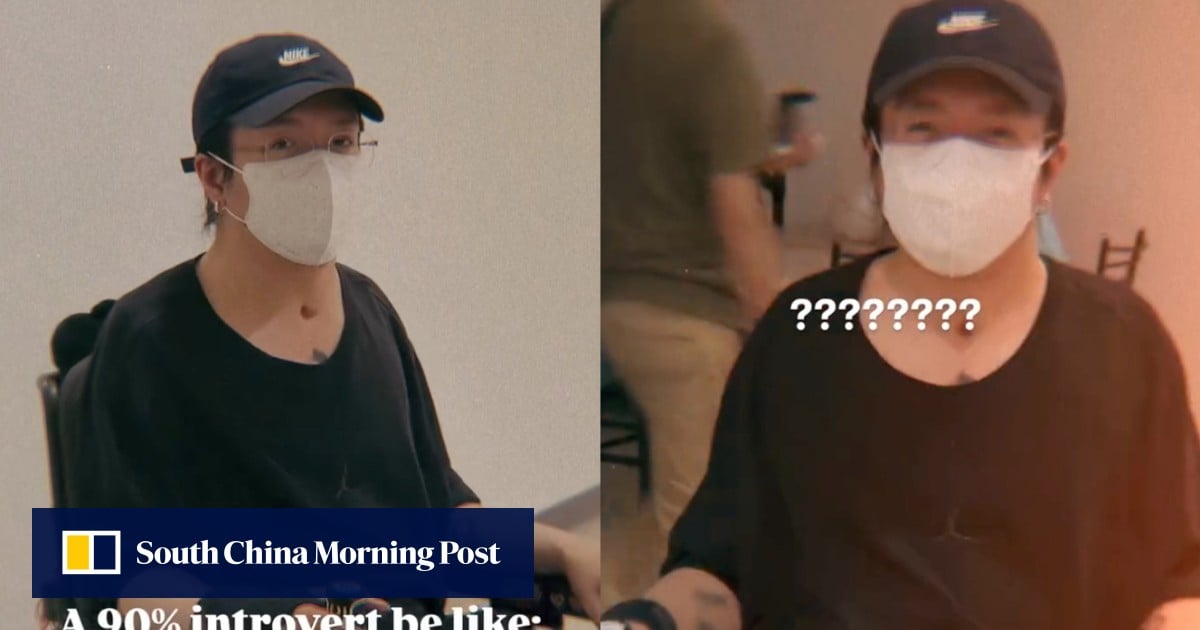
Dancer Mo Li Kai-yin, 31, shared an Instagram video on Saturday of himself operating an electric wheelchair with the caption, “A 90 per cent introvert be like:” followed by a bashful emoticon.
In the clip, he appeared to be in good spirits as he steered the wheelchair using his right hand. Upon noticing someone filming him, he shyly reversed away.
He added the hashtag “please let me go” and joked in the caption: “Extra motivation to train for driving: To get away from the crowd.”
Li also playfully tagged three friends, including Canny Leung Hoi-ching, who was also a dancer for Mirror at the concert where the accident happened.
Saturday’s video marked the first time Li has shared a video that showed clearly his motion ability since his injury.
The footage reveals the stoma on his neck and shows him wearing a mask while performing movements such as lowering his head, shaking his head, and moving his right arm.
Facts Only
Mo Li Kai-yin, a 31-year-old Hong Kong dancer, was paralyzed in an accident during a Mirror boy band concert.
The accident occurred 3½ years ago, in 2022.
On Saturday, Mo Li shared an Instagram video showing himself operating an electric wheelchair independently.
The video caption included a bashful emoticon and the hashtag "please let me go."
In the clip, Mo Li steers the wheelchair with his right hand and reverses away when noticed.
He jokes about training to drive to "get away from the crowd."
Mo Li tagged three friends in the post, including Canny Leung Hoi-ching, another dancer present at the concert during the accident.
The video is the first time Mo Li has publicly shown his motion ability since the injury.
The footage reveals a stoma on his neck and shows him wearing a mask.
Mo Li is seen performing movements such as lowering his head, shaking his head, and moving his right arm.
The accident involved a giant screen falling during the concert.
Executive Summary
Full Take
**STEELMAN:** This narrative strengthens public awareness of Mo Li’s recovery journey, humanizing his experience beyond the initial tragedy. The video provides a rare, firsthand update on his mobility, framed with humor and resilience, which counters the often-sensationalized coverage of his accident. By sharing this moment, Li reclaims agency over his story, offering a counter-narrative to the victimization that can dominate such cases.
**PATTERN SCAN:** The framing leans toward emotional engagement—Li’s humor and visible progress may evoke sympathy or admiration, but the tone avoids exploitation. The focus on his independence and playful caption resists pity, instead emphasizing his autonomy. No overt manipulation patterns are detected; the narrative aligns with a personal update rather than a coordinated push.
**ROOT CAUSE:** The paradigm here is one of individual resilience in the face of systemic failure (the concert accident). The unstated assumption is that recovery is a private journey, yet public visibility can shape perceptions of disability and agency. Historically, this echoes how personal narratives challenge institutional neglect—Li’s update subtly critiques the lack of broader accountability for the accident while centering his own progress.
**IMPLICATIONS:** For human dignity, this moment underscores the power of self-representation in countering reductive narratives about disability. The benefits accrue to Li, who controls his image, and to audiences who see disability beyond tragedy. The cost, if any, is the pressure on survivors to perform resilience publicly. Second-order effects may include renewed scrutiny of concert safety or broader conversations about accessibility in Hong Kong.
**BRIDGE QUESTIONS:**
How does public visibility of recovery shape societal expectations of disability?
What structural changes (e.g., safety regulations, support systems) remain unaddressed in this narrative?
Would this update have the same resonance if framed as a call for systemic accountability rather than personal triumph?
**COUNTERSTRIKE SCAN:** A coordinated influence campaign might weaponize Li’s story to either glorify individual resilience (distracting from institutional failure) or exploit it for outrage (e.g., "neglect by authorities"). The actual content, however, aligns with a personal, unfiltered update—no signs of orchestrated framing. The tone is authentic, not instrumentalized.
Patterns detected: none