Skip to content
Chimera readability score 75 out of 100, Expert reading level.

Tenzin Nyidon
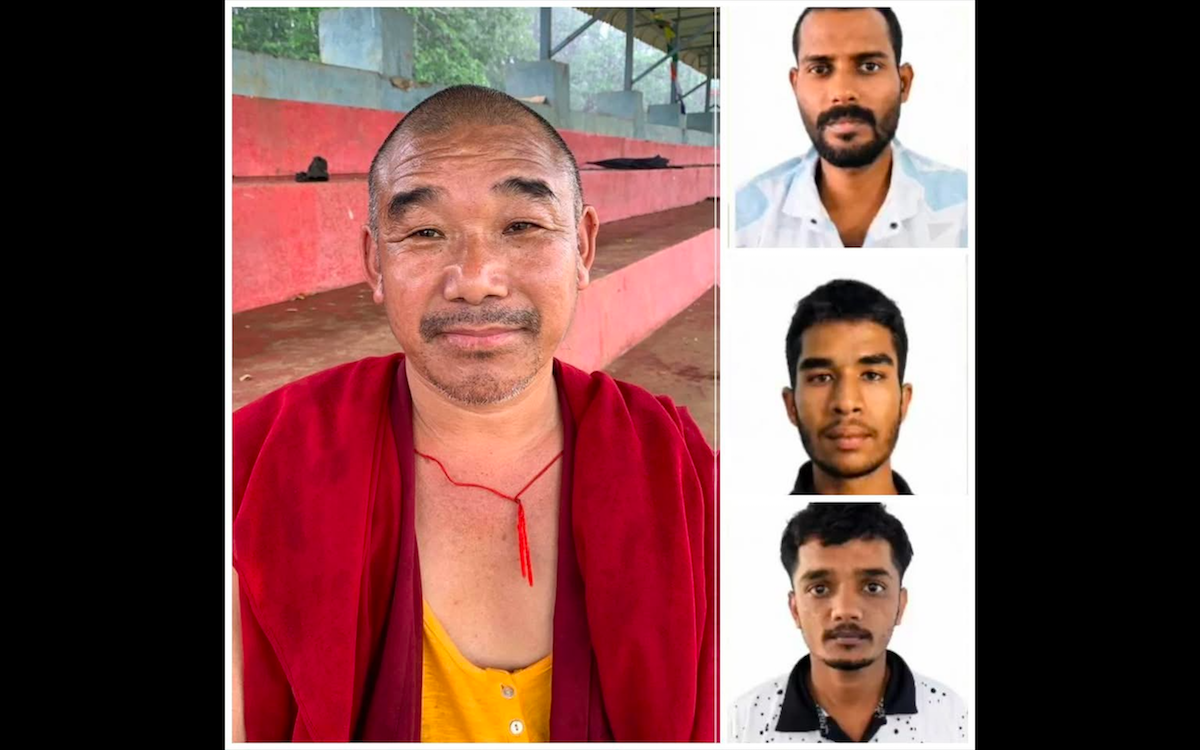
DHARAMSHALA, May 7: Three men have been arrested in connection with the alleged kidnapping and murder of a Tibetan Buddhist monk whose body was recovered last week in Karnataka’s Dharwad district, the police said. The case has sent shockwaves through the Tibetan exile community in southern India.
The deceased has been identified as Tashi Dhondup, 39, a monk from the Tibetan settlement in Mundgod, one of the largest Tibetan settlements in exile located in Uttara Kannada district of Karnataka. His body was discovered near the Haliyal Bridge along the Dharwad bypass on April 29 under suspicious circumstances.
According to local police, highway patrol personnel first received information regarding an unidentified body lying near the roadside within the jurisdiction of the Dharwad Rural Police Station. Police officers and emergency responders rushed to the scene and observed multiple injury marks on the victim’s face and body, leading investigators to suspect foul play from the outset.
Authorities later confirmed the identity of the deceased as Tashi Dhondup. Preliminary investigation reports indicated that the monk had been subjected to a violent assault before his death. Police sources further stated that the victim’s legs were found tied, strengthening suspicions that the monk had been abducted and murdered elsewhere before his body was dumped near the bypass road.
A murder case was subsequently registered, and a special police team was constituted to investigate the incident. Following days of technical surveillance and field investigation, Karnataka police tracked down three suspects in neighbouring Maharashtra’s Kolhapur district.
The arrested individuals have been identified as Sanket Sattappa Yadav, 24, Siddesh Sunil Bhosle, 18, and Vaibhav Maruti Chavan, 30, all residents of Bhudargad area in Kolhapur district. The accused were reportedly apprehended during coordinated police operations conducted across the state border.
Police officials have not yet publicly disclosed the exact motive behind the killing. However, investigators are reportedly probing multiple angles, including possible robbery, personal disputes, and other criminal motives. Authorities said the accused remains under interrogation and that further arrests or developments in the case cannot be ruled out.
The brutal killing has triggered grief and concern within the Tibetan community, particularly among residents of the Mundgod settlement, which is home to thousands of Tibetans living in exile and hosts several monasteries, schools, and cultural institutions. Community members have called for a transparent and comprehensive investigation to ensure justice for the deceased Buddhist monk.

Facts Only

Three men were arrested in connection with the alleged kidnapping and murder of a Tibetan Buddhist monk. The deceased was Tashi Dhondup, 39, a monk from the Tibetan settlement in Mundgod, Karnataka. The body was discovered near the Haliyal Bridge on April 29. Police observed multiple injury marks on the victim. Preliminary reports indicated the monk had been subjected to a violent assault. The victim’s legs were found tied. A murder case was registered, and three suspects were tracked down in the Kolhapur district of Maharashtra. The arrested individuals are Sanket Sattappa Yadav, Siddesh Sunil Bhosle, and Vaibhav Maruti Chavan.

Executive Summary

Three men were arrested in connection with the alleged kidnapping and murder of a Tibetan Buddhist monk named Tashi Dhondup in the Dharwad district of Karnataka. The deceased was identified as a monk from the Tibetan settlement in Mundgod. The body was discovered near the Haliyal Bridge on April 29. Police investigation suggested the monk was subjected to a violent assault and that his legs were found tied, leading to suspicions of abduction and murder elsewhere before the body was dumped. A special police team investigated the case and tracked down three suspects in the Kolhapur district of Maharashtra, who were subsequently arrested. Authorities have not publicly disclosed the motive behind the killing, but investigators are exploring possibilities such as robbery or personal disputes. The incident has caused significant grief and concern within the Tibetan exile community.

Full Take

The narrative of this event functions by juxtaposing official law enforcement action with profound community trauma, creating an immediate, intense demand for accountability. The focus on the physical act of violence (assault, tying, murder) and the subsequent search for perpetrators establishes a clear moral framework, but the explicit withholding of motive shifts the focus from criminal investigation to a tragic, unresolved status. This framing sets up a tension between the state’s obligation to find justice and the community’s need for transparency and closure. The pattern involves weaponizing localized grief to amplify demands for systemic investigation, which often bypasses the complexities of motive and procedural justice. The inherent ambiguity surrounding the motives—robbery, dispute, or other criminal angles—is managed by the authorities as a means of maintaining operational security, yet this uncertainty contributes to public anxiety. The tragedy functions as a focal point where the demands for human dignity meet the procedural realities of criminal law. The implication is that the cost of pursuing justice is often measured by the emotional intensity of the public response, rather than the certainty of resolution.

Sentinel — Likely Human

Confidence

The text exhibits high coherence and structural predictability, strongly suggesting generation by an LLM following standard news reporting patterns, though it is sufficiently factually grounded to be considered high-quality synthetic content.

Signals Detected
medium severity: Transition homogeneity and uniform, measured sentence rhythm are present, typical of large language model output.
medium severity: The text is perfectly fluent and logically structured but lacks any idiosyncratic emphasis or unique journalistic voice.
medium severity: The narrative follows a standard, predictable news reporting template (event -> discovery -> investigation -> suspects -> community impact), suggesting template matching.
low severity: The use of generic phrasing (e.g., 'foul play from the outset,' 'triggered grief and concern') points toward polished, non-idiosyncratic language.
Human Indicators
No unique personal voice or complex digressions are present.
The use of 'police said' and 'authorities confirmed' is typical of aggregated reporting.
The flow of information is strictly chronological and informational, lacking emotional inflection.