Skip to content
Chimera readability score 53 out of 100, Graduate reading level.
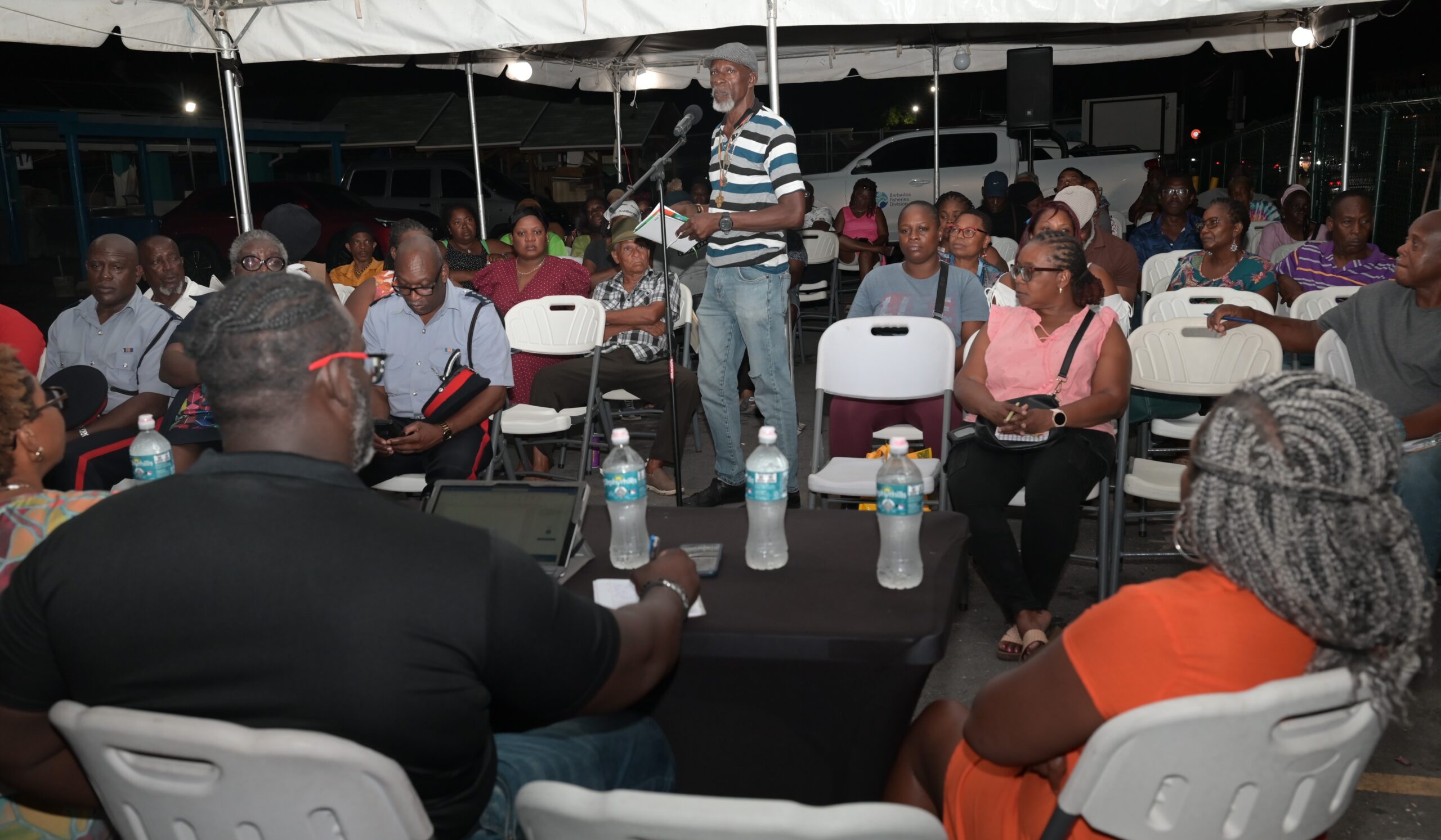
BusinessCommunityLocal News Renewed push to revive Oistins Fish Festival by Barbados Today 16/05/2026 written by Barbados Today 16/05/2026 3 min read A+A- Reset Some of the attendees at the town hall meeting. (GP) FacebookTwitterLinkedinWhatsappEmail 231 There is hope for the revival of the Oistins Fish Festival, and Member of Parliament for Christ Church South, Dr Shantal Munro-Knight, says that under her watch it will not just survive but thrive. Oistins residents, vendors and others keen to see the town grow turned out on Thursday evening for the first town hall meeting on the festival. Also present were officers attached to the Oistins Police Station, who committed to maintaining a safe environment for residents and visitors. Held in the car park of the Berinda Cox Fish Market, many came ready to give input and suggestions to an observant panel, including Chairman of the Oistins Bay Garden Board, Kemar Harris, and Minister Munro-Knight. With the Oistins Fish Festival marking 50 years in 2027, Minister Munro-Knight said she will work with her team to address valid concerns. “One of the things that the vendors are asking for is greater recognition. We heard that they want some of the people who started the festival to be honoured and recognised. We heard from the fisherfolk themselves [that] it has to be grounded within the fisherfolk community because they also want to have a say,” the Agriculture Minister said, adding that for her that was “low-hanging fruit”. You Might Be Interested In Crystal Beckles-Holder, 2nd runner up in regional competition GUYANA: Body of child found after gold mine collapses Barbadians asked to help with return tickets for Haitians Meanwhile, vendor Sue Ann Gilkes-Smith called for the festival to have a continuous road lined with vendors, instead of fragmented sections. She said older patrons must also feel safe to return. “We need to bring back the mature people that spend their money in the festival because people are scared and need to be comfortable to come back out,” she said. Chairman Harris explained why the town hall meetings are critical. “The Minister has mandated the town hall meetings because we have recognised a breakdown in the festival, and what leads to breakdowns is a lack of communication,” he said, addressing those gathered. “Over the years, people have been complaining, so there will be a series of these meetings to hear you, see you and feel you. Consultation is paramount, and this MP believes in that, so when consultations stop, you cannot say no stone has been left unturned,” he added. Deputy Chairman of the Oistins Bay Garden Board, Edwin Warner, said more must be done to improve the area. “The boatyard needs a clean-up so that stalls can be placed there,” he said. Looking to the wider Caribbean, Warner, proprietor of food stall Crazy Eddies, said there should be a regional approach. “As a fish festival, we must remember there are fishing villages across Barbados – Paynes Bay, Six Men’s and Martin’s Bay. You need to invite these people. We should also invite our Caribbean neighbours like St Lucia and Grenada. Don’t they have fisherfolk too?” He also criticised organisers of the last festival held over the Easter weekend, saying the Oistins Bay Garden Board should play a greater role. “The last festival was a joke. I was in Oistins throughout, and someone told me the Monday was good, it was not. It was one of the worst Mondays in a long time. The last committee became stagnant after running it for years and brought in whoever they could. They never consulted the people in the Bay Garden to come on board and give ideas. We are tired now. The people at Oistins Bay Garden are there 24/7,” he said. Chairman Harris said the town hall meetings would continue, with a focus on supporting vendors. Barbados Today Stay informed and engaged with our digital news platform. The leading online multimedia news resource in Barbados for news you can trust. You may also like No tsunami threat to Barbados after earthquake 16/05/2026 EDITORIAL: Public trust must be won on IMF agreement 16/05/2026 Cleaner blames alcohol for bad behaviour, placed on bond 16/05/2026
Facts Only

* A town hall meeting was held regarding the revival of the Oistins Fish Festival.
* The meeting was attended by Oistins residents, vendors, Oistins Police Station officers, Chairman Kemar Harris, and Minister Dr. Shantal Munro-Knight.
* The festival is set to mark 50 years in 2027.
* Vendors requested greater recognition for those who started the festival.
* A vendor called for a continuous road lining for vendors and increased safety for older patrons.
* The Deputy Chairman of the Oistins Bay Garden Board requested a clean-up of the boatyard to allow for stall placement.
* A suggestion was made for a regional approach to the festival, inviting fisherfolk from other Barbados areas and Caribbean neighbors.
* The Chairman stated that town hall meetings were mandated due to a recognized breakdown in the festival caused by a lack of communication.
* The Minister stated she would work with her team to address valid concerns.
* The Deputy Chairman criticized the last festival's organization, stating the committee lacked consultation with the Bay Garden Board.

Executive Summary

The community of Oistins residents, vendors, and fisherfolk participated in a town hall meeting regarding the revival of the Oistins Fish Festival. The meeting brought together members of the public, officers from the Oistins Police Station, and representatives from the Oistins Bay Garden Board, including Chairman Kemar Harris and Minister Dr. Shantal Munro-Knight. Concerns raised focused on the need for greater recognition for the founders of the festival, ensuring vendor safety and continuous access, and addressing infrastructure improvements such as clearing the boatyard. A key theme was the breakdown of the festival, which officials attributed to a lack of communication, leading to a mandate for further consultation. Furthermore, a call was made for a regional approach to the festival, inviting fisherfolk from neighboring islands and Caribbean nations.

Full Take

The narrative structures the revival process around an institutional failure—the breakdown of the festival—which is framed as a failure of communication and consultation rather than purely logistical challenges. The transition from community grievance (lack of recognition, safety concerns, stagnant organization) to official mandate (town hall meetings) serves to legitimize the ongoing demand for change. The systemic pattern involves using governmental authority (Ministerial mandate) to enforce a process (consultation) that addresses previously ignored community concerns, thereby mitigating potential opposition by framing the demands as legitimate requirements for survival. The shift from a local issue (Oistins Bay Garden Board) to a regional one (Caribbean fisherfolk) indicates an attempt to expand the scope of power and ensure broader stakeholder buy-in. The tension lies between the desire for immediate, tangible improvements (clean-up, road lining) and the long-term goal of structural change (recognition, regional involvement), suggesting that the path to revival requires navigating both immediate demands and institutional reorganization.

Sentinel — Human

Confidence

This text exhibits strong human journalistic characteristics, featuring localized, specific grievances and voices, indicating it is likely original reporting rather than synthetic generation.

Signals Detected
low severity: Varied sentence length and use of direct, passionate quotes, inconsistent with metronomic rhythm.
low severity: Strong, idiosyncratic emphasis derived from specific local grievances (e.g., critique of the last festival, specific concerns of vendors), indicating a specific human perspective.
low severity: Specific, localized names (Dr Shantal Munro-Knight, Kemar Harris, Edwin Warner) and detailed, specific complaints suggest sourcing from local stakeholders rather than generic AI synthesis.
low severity: The narrative focuses on concrete, localized structural and community conflicts (boatyard clean-up, lack of consultation), which are details difficult for an LLM to synthesize convincingly without specific, verifiable source material.
Human Indicators
The presence of highly specific, localized grievances and firsthand accounts (e.g., Edwin Warner's critique of the last committee, vendor concerns about safety and recognition) provides a distinct human voice.
The structure prioritizes local consultation and community conflict, a focus characteristic of beat reporting and local journalism rather than generalized AI content.