Law & Politics
Businessman Fined in U.K.’s First Russia Art Sanctions Conviction
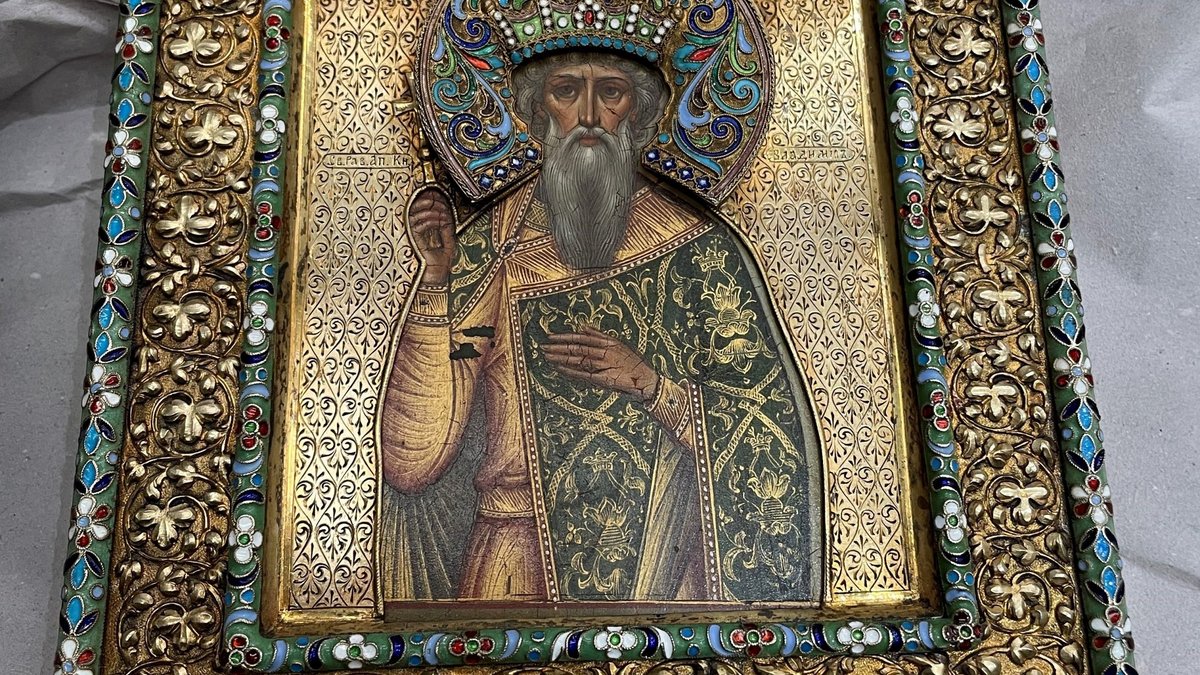
Jonathan Hornby will have to pay $37,400 for making a Russian icon and other luxury goods available to Russia.
Jonathan Hornby will have to pay $37,400 for making a Russian icon and other luxury goods available to Russia.
Jo Lawson-Tancred ShareShare This Article
A British businessman has been fined £28,000 ($37,400) after pleading guilty to breaching U.K. sanctions by attempting to ship four artworks, including a Russian icon, to Russia. It’s the first reported conviction under the country’s ban on luxury exports to the region.
Jonathan Hornby, 54, pleaded guilty to charges of making luxury goods available for use in Russia on July 1 at Westminster Magistrates’ Court in London. The fine was initially set to £51,000 ($68,000), or three times the combine value of the four works, but this was later reduced in recognition of Hornby’s early plea.
The goods were seized by border officials at Heathrow Airport in February 2024, according to HM Revenue and Customs (HMRC), which launched the investigation. One of the items was a Russian icon depicting St. Vladimir. The consignment was linked to both of Hornby’s businesses, Global Customs Systems U.K. Limited and In Time Worldwide Express Ltd.
“The U.K. government has implemented the most severe package of sanctions ever imposed on a major economy,” Edwige Hill, deputy director of HMRC’s fraud investigation service, said in a statement. “This conviction shows the consequences of breaching Russia sanctions.”
The U.K. banned the export of luxury items such as cars, jewelry, art, and antiques valued over £250 ($330) to Russia in April 2022. Breaching the law is considered a criminal offense and is punishable by an unlimited fine for companies and up to six months in prison for individuals.
Since May 2025, art market participants have been legally obligated to report any known or reasonably suspected breaches of financial sanctions to the Office of Financial Sanctions Implementation (OFSI) or risk criminal prosecution. This applies to transactions or linked transactions involving works of art valued at €10,000 ($11,700) or more.
U.K. officials have increasingly been prosecuting suspected breaches. In June, Petrofac Facilities Management Limited paid a £569,157 (around $760,000) compound settlement after breaching Russia sanctions regulations for the supply of industrial goods to individuals connected to Russia, and the provision of technical assistance relating to those goods. It was the first company to be publicly identified by HMRC as having accepted a penalty for breaching Russia sanctions.
Last year, the Crown Prosecution Service charged the London branch of Hauser & Wirth and an art shipping firm with a breach of criminal sanctions that prevent making luxury goods available to Russia. The mega gallery said it will plead not guilty.
Facts Only
* Jonathan Hornby pleaded guilty to breaching U.K. sanctions on July 1 at Westminster Magistrates’ Court in London.
* He faced a fine of £51,000 ($68,000), which was reduced to $37,400.
* The infraction involved attempting to ship four artworks, including a Russian icon, to Russia.
* The goods were seized by border officials at Heathrow Airport in February 2024, as reported by HM Revenue and Customs (HMRC).
* The consignment was linked to Global Customs Systems U.K. Limited and In Time Worldwide Express Ltd.
* The U.K. banned the export of luxury items such as cars, jewelry, art, and antiques valued over £250 to Russia starting in April 2022.
* Art market participants must report suspected financial sanctions breaches to the OFSI if transactions involve art valued at €10,000 ($11,700) or more.
* Petrofac Facilities Management Limited paid a compound settlement of £569,157 ($760,000) for breaching Russia sanctions regulations in June.
* The Crown Prosecution Service charged the London branch of Hauser & Wirth and an art shipping firm with breaching criminal sanctions last year.
Executive Summary
A British businessman named Jonathan Hornby pleaded guilty to breaching U.K. sanctions by attempting to ship four artworks, including a Russian icon, to Russia. The fine assessed was $37,400, though it was reduced from an initial proposed amount of $68,000. The goods were seized by border officials at Heathrow Airport in February 2024, according to HM Revenue and Customs (HMRC). The consignment was linked to Hornby’s businesses, Global Customs Systems U.K. Limited and In Time Worldwide Express Ltd.
The U.K. government has implemented severe sanctions against the Russian economy, banning the export of luxury items like art valued over £250 to Russia since April 2022. This violation is a criminal offense punishable by unlimited fines for companies and up to six months in prison for individuals. Furthermore, art market participants are legally required to report suspected breaches to the Office of Financial Sanctions Implementation (OFSI). The U.K. has pursued these breaches, evidenced by a prior compound settlement involving Petrofac Facilities Management Limited.
Full Take
Sentinel — Human
The text reads like standard investigative journalism reporting on a legal case, characterized by precise factual citation and logical structuring.