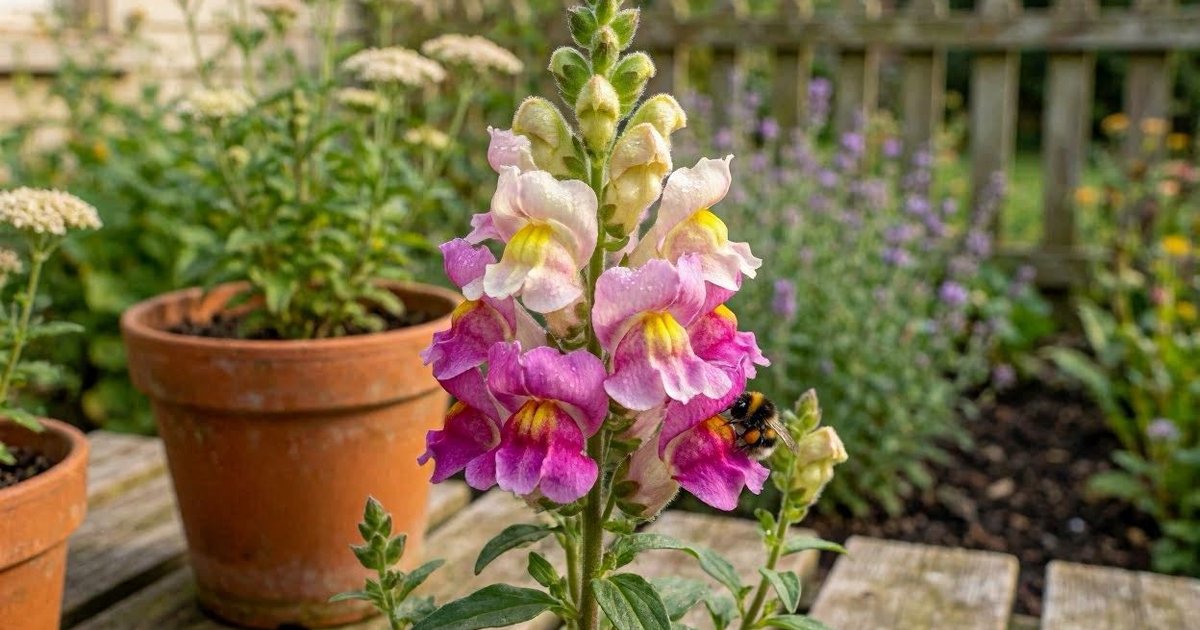
Snapdragons are one of the most expressive flowering annuals in the summer garden. With their tall spikes of dragon-shaped blooms and rich color range, they bring both structure and personality to plantings across Fort Collins and the wider Front Range. From soft pastels to intense jewel tones, snapdragons offer a vertical rhythm that feels both formal and slightly whimsical at the same time.
In Colorado’s bright, dry climate, they perform as a cool-season standout that can extend well into summer—and in some years even rebound again in fall when temperatures ease.
At [Plantorium.com](https://plantorium.com?utm_source=chatgpt.com snapdragons are a foundational plant for spring-to-summer transitions, especially in containers and early-season landscape displays.
Why Snapdragons Perform Well in Northern Colorado
Snapdragons are naturally adapted to cooler growing conditions, which makes them especially valuable in the Front Range where spring arrives with strong sun but lingering cool nights.
They perform well because:
- They tolerate cool temperatures and light frost
- They produce strong vertical flower spikes
- They bloom heavily in bright light with moderate temperatures
- They offer long-lasting color in spring and early summer
While they may slow during peak midsummer heat, they often provide a second flush of blooms when temperatures cool again in late summer or early fall.
Color options are extensive and include:
- Soft pink
- Coral and peach
- Bright red
- Yellow
- White
- Deep burgundy
- Bi-color patterns
When to Plant Snapdragons in Fort Collins
Snapdragons are among the earliest annuals that can be planted in the season.
In Fort Collins and surrounding areas:
- Plant as early as mid-April to mid-May depending on weather
- They can tolerate light frost and cool nights
- Early planting leads to stronger spring performance
They are often used to “bridge the gap” between spring pansies and true heat-loving summer annuals.
Sunlight Requirements
Full sun is ideal, though snapdragons appreciate cooler conditions compared to many summer annuals.
In Northern Colorado:
- Provide 6 hours of sunlight or more
- Light afternoon shade can extend bloom life in summer
- Good airflow helps maintain healthy growth
In cooler spring conditions, they produce the strongest and most abundant flower spikes.
Soil and Growing Conditions
Snapdragons prefer well-draining, moderately fertile soil.
For best results:
- Amend clay soils with compost before planting
- Avoid heavy, compacted areas
- Use quality potting mix for containers
Good drainage is important, especially during Colorado’s occasional spring storms.
Watering in a Front Range Climate
Snapdragons prefer consistent moisture but do not tolerate soggy soil.
Recommended watering approach:
- Water regularly during establishment
- Maintain even moisture during active bloom
- Reduce frequency during cooler periods
- Increase watering during heat waves
In containers, they may require more frequent watering as temperatures rise.
Fertilizing for Strong Flower Spikes
To support continuous blooming and strong vertical growth, snapdragons benefit from moderate feeding.
A balanced fertilizer every few weeks helps:
- Promote tall, sturdy spikes
- Extend bloom duration
- Support repeat flowering
Avoid excessive nitrogen, which can produce lush foliage with fewer blooms.
Garden Role and Design Use
Snapdragons are primarily used as vertical structure and seasonal color anchors.
They work especially well in:
- Spring container displays
- Formal bedding arrangements
- Cottage-style gardens
- Mixed seasonal plantings
- Cut flower gardens
In Fort Collins landscapes, they are often used to introduce early-season height and color before summer annuals reach full maturity.
Pollinator Value
Snapdragons are attractive to bees, which are able to “open” the dragon-shaped flowers to access nectar.
They provide:
- Early-season pollinator support
- Structural nectar sources in spring gardens
While not as heavily visited as some summer annuals, they still contribute to ecological diversity.
Handling Colorado Weather
Snapdragons are well adapted to cooler Front Range conditions but have limits in extreme heat.
They tolerate:
- Cool nights
- Light frost
- Spring variability
They are sensitive to:
- Prolonged high heat
- Drought stress
- Poor drainage
During midsummer heat in Fort Collins, flowering may slow significantly, but plants often recover when temperatures drop again.
Companion Planting
Snapdragons pair well with both spring and early summer annuals.
Excellent companions include:
- Pansies
- Petunias
- Salvia farinacea
- Verbena
- Calibrachoa
- Dusty Miller
- Ornamental grasses
Their upright form contrasts nicely with trailing and mounding plants.
A Seasonal Bridge with Vertical Presence
Snapdragons occupy a unique space in the garden calendar. They are one of the few annuals that thrive in cooler spring conditions yet still hold ornamental value into early summer. In Fort Collins and across the Front Range, they are especially useful for extending color when many gardens are still transitioning between seasons.
With their vertical spikes and wide color range, snapdragons remain a dependable choice for gardeners seeking structure, early-season impact, and a touch of classic garden charm.
Explore seasonal availability and additional annuals at [Plantorium.com’s full plant catalog](https://plantorium.com/all-plants/?utm_source=chatgpt.com
Facts Only
Snapdragons are annual flowering plants with tall, vertical spikes and a wide color range.
They thrive in cooler conditions and are well-suited to Northern Colorado’s climate, including Fort Collins and the Front Range.
Snapdragons tolerate light frost and cool nights, making them ideal for early spring planting (mid-April to mid-May).
They prefer full sun (6+ hours daily) but benefit from light afternoon shade in summer.
Well-draining, moderately fertile soil is essential; clay soils should be amended with compost.
Consistent moisture is required, though they do not tolerate soggy soil.
A balanced fertilizer supports continuous blooming and strong vertical growth.
They are used in spring containers, formal bedding, cottage gardens, and mixed plantings.
Snapdragons attract pollinators like bees, providing early-season nectar sources.
They may slow during peak summer heat but often rebound in late summer or fall.
Common companion plants include pansies, petunias, salvia, and ornamental grasses.
They are available for purchase through Plantorium.com, a plant catalog referenced in the text.
Executive Summary
Full Take
This article presents snapdragons as a practical and aesthetically valuable plant for Northern Colorado gardens, emphasizing their adaptability to the region’s climate and their role in seasonal transitions. The narrative is largely informative, offering gardening advice without overt manipulation. However, it subtly frames snapdragons as an almost ideal solution for early-season color, which could be seen as a mild form of **ARC-0024 Ambiguity**—implying universality without addressing potential drawbacks, such as their sensitivity to heat or the need for precise watering. The inclusion of a commercial link (Plantorium.com) introduces a potential **ARC-0043 Motte-and-Bailey** dynamic, where practical advice serves as the "motte" (defensible position) while the embedded marketing acts as the "bailey" (expansive claim).
The root cause of this narrative is the broader trend of regional gardening advice tailored to specific climates, which is useful but often overlooks variability in microclimates or individual garden conditions. The implications are largely positive—encouraging biodiversity and pollinator support—but the commercial undertone raises questions about whether the advice is purely educational or subtly promotional.
Bridge questions: How might snapdragons perform in urban heat islands within Fort Collins, where temperatures may exceed their tolerance? What alternative plants could serve similar structural roles in gardens with poorer drainage? Would a side-by-side comparison with other cool-season annuals reveal trade-offs not mentioned here?
Counterstrike scan: If this were part of a coordinated campaign, the playbook would involve positioning snapdragons as a must-have plant while embedding commercial links to drive sales. However, the content itself remains factual and useful, with no overt signs of manipulation beyond the subtle promotional elements. The alignment with a hypothetical attack pattern is minimal, as the primary focus is on horticultural guidance rather than persuasion.
Patterns detected: ARC-0024 Ambiguity, ARC-0043 Motte-and-Bailey
Sentinel — Human
The text is highly structured and well-contextualized horticultural advice, appearing to be a synthesis of human expertise and digital structuring, with low synthetic confidence.