TransportationJAL weighs miles program upgrade to boost non-aviation businesses
Airline partnering with insurers and others to give customers more reward options
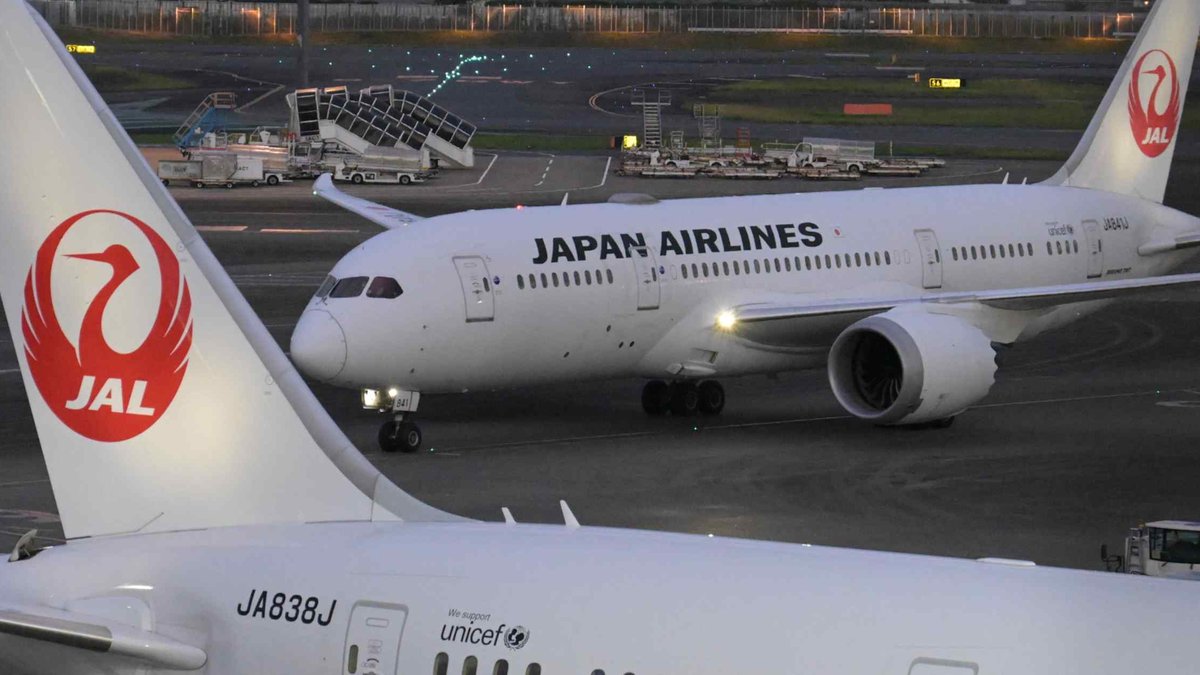
JAL's core airline business is susceptible to swings in demand caused by geopolitical risks. (Photo by Konosuke Urata)
TOKYO -- Japan Airlines is considering investing tens of billions of yen (10 billion yen equals $61.8 million) in its loyalty program by the fiscal year ending March 2031, part of an effort to stabilize the company's earnings and limit exposure to geopolitical risks.
Facts Only
Japan Airlines is considering investing tens of billions of yen into its loyalty program by March 2031. This investment aims to stabilize company earnings and limit exposure to geopolitical risks. The airline is exploring partnerships with insurers and others to offer customers more reward options. JAL's core airline business is susceptible to demand swings caused by geopolitical risks.
Executive Summary
Japan Airlines is considering an investment of tens of billions of yen into its loyalty program by fiscal year 2031. This move is intended to stabilize the company's earnings and reduce exposure to geopolitical risks affecting its core airline business. The airline is exploring strategies, including partnering with insurers and other entities, to offer customers more reward options. This action is taken in response to the susceptibility of JAL's core business to fluctuations in demand caused by geopolitical risks.
Full Take
The stated intent is risk mitigation—stabilizing corporate earnings against external geopolitical volatility by bolstering customer retention through loyalty program investment. The pattern involves a large entity attempting to internalize and mitigate systemic, external risks by reallocating capital within its existing structure, specifically targeting the loyalty system as an anchor point. The implication is that loyalty programs are being reframed not purely as customer relations tools, but as strategic financial hedges against unpredictable macro-environmental forces. This suggests a shift where service infrastructure (loyalty) gains tangible financial weight related to geopolitical stability. The core tension lies in whether this investment successfully transitions the loyalty program from a discretionary marketing expense into a necessary risk management asset. What factors will determine if these partnerships and investments create genuine resilience or merely mask underlying vulnerability?
Sentinel — Human
Confidence
The text presents a straightforward factual update regarding Japan Airlines' consideration of a significant investment in its loyalty program to mitigate geopolitical risk exposure.
Signals Detected
low severity: Moderate sentence length variance and direct reporting style.
low severity: Direct statement of intent regarding large-scale investment; lacks superfluous hedging.
low severity: Simple, factual reporting style typical of wire copy or direct financial news.
Human Indicators
The structure is extremely direct and focused on a single, verifiable corporate action; it lacks the expansive, interpretive language often seen in generalized AI summaries.