By providing your information, you agree to our Terms of Use and our Privacy Policy. We use vendors that may also process your information to help provide our services.
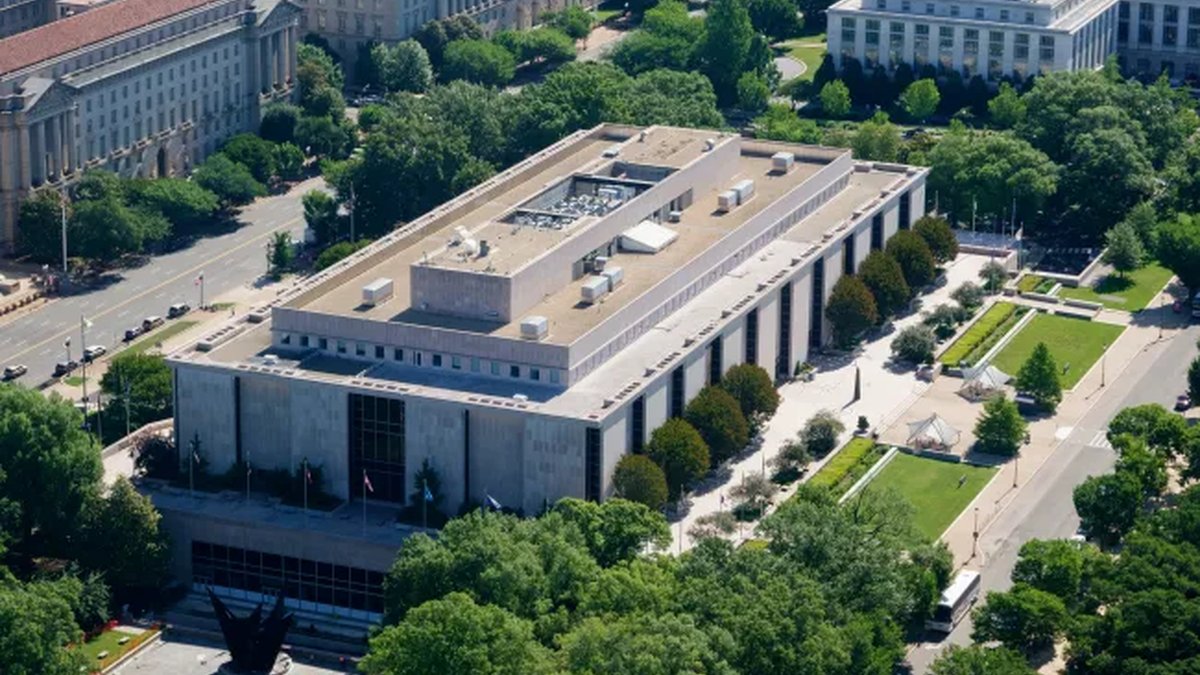
The White House on July 4 issued an acidic 162-page report that accused the Smithsonian National Museum of American History (NMAH) of “extreme political activism” and lambasted its leadership for having “explicitly adopted an ideological framework that no longer treats the American story as a shared national inheritance to be taught or celebrated, but as a political instrument to divide, dispirit, and discourage our citizens.”
Titled “Saving America’s Story,” the report follows on an executive order signed by President Donald Trump in March 2025, which accused the Smithsonian of presenting a version of American history that “deepens societal divides and fosters a sense of national shame” and called for it to strip “improper ideology” from its museums.
The report is the latest of numerous attacks launched against the nonpartisan organization by the Trump administration since it came to power in early 2025. The White House campaign to make over the Smithsonian to reflect conservative values has included a comprehensive review of the Smithsonian’s current and planned exhibitions “to assess tone, historical framing and alignment with American ideals” as well as repeated threats to withdraw funding.
The NMAH responded to the report through a spokesperson, saying, “For more than 180 years, the Smithsonian has served the American public with nonpartisan scholarship, and we remain committed to doing so.”
The Washington Post reported that NMAH director Anthea Hartig was named dozens of times in the report. Though Hartig pointed the Post to the spokesperson’s statement when asked for comment, Beth English, executive director of the Organization of American Historians, of which Hartig was president from 2023 to 2024, noted that the museum’s portrayal of history is diverse and far-ranging.
“In many ways, the report’s real complaint isn’t necessarily inaccuracy; it’s that the museum isn’t celebratory enough,” English told the Post. “And that’s a demand for a single version of history, dressed up as a defense of balance.”
Speaking with PBS’s Meet the Press in an unrelated interview over the weekend, Smithsonian secretary Lonnie G. Bunch, the first Black American to helm the organization, explained what he saw as the institution’s mission. “I think what I want people to understand is that there is a responsibility to continue to make those aspirations available, accessible, meaningful to a whole range of people,” said Bunch. “And that, in essence, America’s greatest strength, it’s not running away from its history, but it’s understanding how that history shaped us and continues to shape us.”