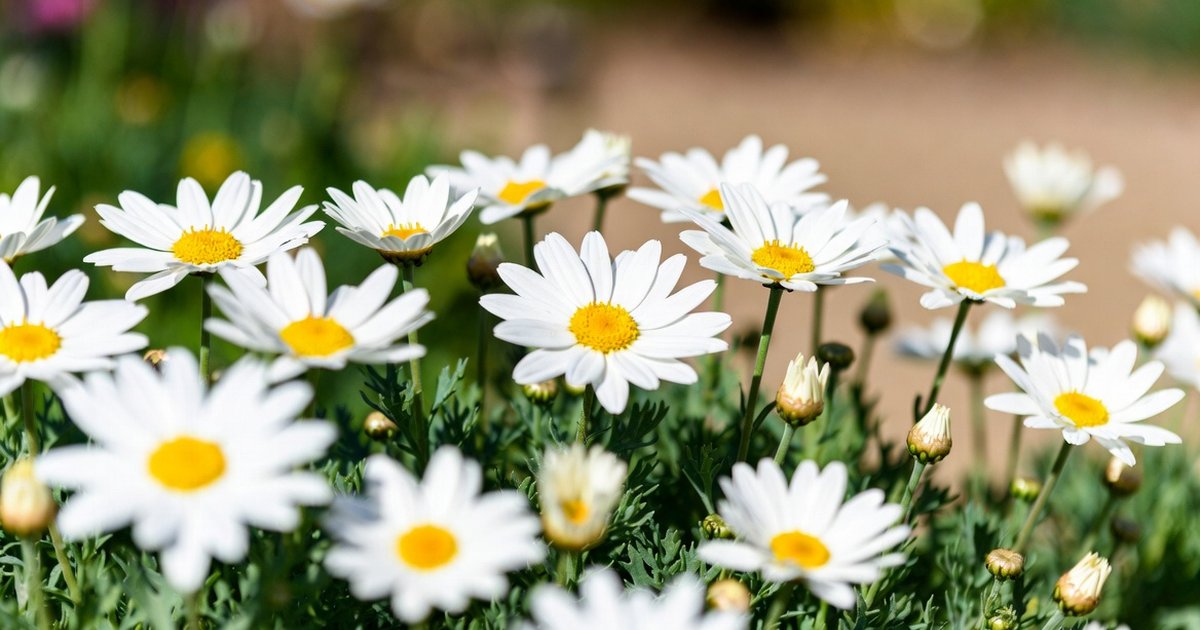
There’s a reason gardeners across Northern Colorado fall in love with Argyranthemum, more commonly called Marguerite Daisy. Few annuals deliver such effortless charm: mounds of ferny foliage topped with cheerful blooms that seem to flower nonstop from spring until frost. In containers, porch pots, and sunny landscape beds, they bring the soft romance of an English cottage garden while standing up surprisingly well to the intense sunlight of Colorado’s Front Range.
For gardeners in Fort Collins, Loveland, Windsor, Greeley, and surrounding communities, Marguerite Daisy offers something especially valuable—a plant that thrives in cool mornings and mild evenings, yet continues blooming through much of our unpredictable growing season.
At [Plantorium.com](https://plantorium.com?utm_source=chatgpt.com Marguerite Daisy has become a favorite for homeowners looking to add continuous color without the maintenance demands of more temperamental flowering annuals.
Why Marguerite Daisy Performs So Well in Northern Colorado
Unlike many summer annuals that struggle once temperatures fluctuate wildly, Argyranthemum prefers the same conditions many Front Range gardeners enjoy most: bright sun, cool nights, and dry air.
Native to the Canary Islands, Marguerite Daisy naturally grows in climates with excellent drainage and moderate temperatures. That makes it particularly adaptable to Colorado landscapes where heavy humidity is rarely a concern.
The plant forms rounded, bushy mounds covered in finely cut green foliage, creating an almost soft-textured appearance even before flowering begins. Once blooming starts, the plant becomes covered in daisy-like flowers in shades of white, yellow, pink, and apricot.
In Fort Collins landscapes, they are especially effective in:
- Decorative patio containers
- Raised beds
- Cottage-style gardens
- Porch planters
- Pollinator gardens
- Mixed annual borders
Because they flower continuously, they often become the visual “glue” tying together more dramatic seasonal flowers.
When to Plant Marguerite Daisy in Fort Collins
Along the Front Range, patience matters.
Although warm afternoons may tempt gardeners in April, Marguerite Daisy prefers slightly warmer soil and protection from late frosts. In Fort Collins and surrounding areas, planting is usually safest after Mother’s Day, when overnight temperatures remain reliably above freezing.
Gardeners at higher elevations west of town may need to wait a bit longer.
If a sudden cold snap threatens after planting, containers can easily be moved into a garage or covered overnight with frost cloth.
Sunlight Requirements
Marguerite Daisy thrives in full sun across Northern Colorado, though a little afternoon protection can help during stretches of extreme summer heat.
In Fort Collins’ high-elevation sunlight, six to eight hours of direct sun generally produces the heaviest flowering. Too much shade can cause plants to become leggy and reduce bloom production.
For containers placed against south-facing brick or concrete walls, occasional afternoon shade may help flowers last longer during July heat waves.
Soil and Water Needs
Like many successful Colorado annuals, Argyranthemum dislikes soggy roots.
Well-draining soil is essential. In heavy clay soils common along parts of the Front Range, gardeners should amend beds with compost to improve drainage and airflow around roots.
Container gardeners should use a high-quality potting mix rather than garden soil.
Watering should be deep but not excessive. The dry Colorado climate means containers may need watering more frequently than landscape beds, particularly during windy periods.
A useful rule for Fort Collins gardeners:
- Allow the top inch of soil to dry slightly between waterings.
- Avoid constantly wet conditions.
- Water early in the morning whenever possible.
Overwatering often causes more problems than underwatering with Marguerite Daisy.
Fertilizing for Continuous Blooms
Marguerite Daisy is a prolific bloomer, and regular feeding keeps the display going strong through summer.
A balanced liquid fertilizer every two to three weeks encourages steady flowering without excessive leafy growth.
Too much nitrogen can produce lush foliage at the expense of blooms, so moderation is key.
Deadheading spent flowers also helps keep plants tidy and encourages fresh waves of blossoms.
Handling Colorado Weather Extremes
One of the challenges of gardening along the Front Range is unpredictability. A week of cool rain can suddenly give way to ninety-degree temperatures and dry winds.
Fortunately, Marguerite Daisy is relatively resilient when properly established.
However, gardeners should watch for:
- Sudden late frosts in spring
- Intense reflected heat from patios or stone walls
- Drying winds that quickly stress container plants
- Hail damage during summer storms
After hail or weather damage, light trimming often helps the plant rebound quickly.
Perfect Companion Plants
Marguerite Daisy mixes beautifully with other sun-loving annuals commonly grown in Colorado landscapes.
Excellent companions include:
- Calibrachoa
- Bacopa
- Angelonia
- Osteospermum
- Verbena
- Sweet Potato Vine
The soft texture of Argyranthemum foliage contrasts especially well with spiky or trailing plants, making it a designer favorite for mixed containers.
Pollinators Love Them
While grown primarily for ornamental beauty, Marguerite Daisy also attracts beneficial pollinators throughout the season.
Bees and butterflies frequently visit the blooms, especially during cooler morning hours.
For gardeners trying to create more ecologically supportive landscapes along the Front Range, Marguerite Daisy offers both beauty and habitat value.
A Cottage Garden Favorite for Modern Colorado Landscapes
What makes Argyranthemum especially appealing is its versatility. It feels equally at home in a relaxed cottage garden, a polished suburban entryway planter, or a sprawling backyard entertaining space.
In Fort Collins, where gardeners often balance beauty with practical water-wise considerations, Marguerite Daisy delivers remarkable visual impact with relatively modest care requirements.
Its long bloom season, soft romantic appearance, and adaptability to Front Range conditions explain why it continues to grow in popularity each year.
For gardeners looking to brighten patios, porches, and sunny flower beds this season, Marguerite Daisy may be one of the most rewarding annuals to add to the landscape.
Explore seasonal availability and more annual flowering plants at [Plantorium.com’s plant catalog](https://plantorium.com/all-plants/?utm_source=chatgpt.com
Facts Only
Marguerite Daisy (Argyranthemum) is a favored annual plant in Northern Colorado, known for continuous blooms from spring to frost.
It is native to the Canary Islands and adapts well to the Front Range’s climate, including bright sun, cool nights, and dry air.
The plant features bushy mounds of ferny foliage and daisy-like flowers in white, yellow, pink, and apricot.
It thrives in Fort Collins, Loveland, Windsor, Greeley, and nearby communities.
Ideal for containers, raised beds, cottage gardens, and pollinator gardens.
Planting is safest after Mother’s Day to avoid late frosts, with higher elevations requiring later planting.
Requires full sun (6-8 hours daily) and well-draining soil, amended with compost in clay-heavy areas.
Watering should be deep but infrequent, allowing the top inch of soil to dry between waterings.
Fertilization with a balanced liquid fertilizer every 2-3 weeks supports continuous blooms.
Deadheading spent flowers encourages new blooms.
Resilient to Colorado’s weather extremes but may need protection from hail, wind, and reflected heat.
Companion plants include Calibrachoa, Bacopa, Angelonia, Osteospermum, Verbena, and Sweet Potato Vine.
Attracts pollinators like bees and butterflies.
Available for purchase at Plantorium.com.
Executive Summary
Full Take
This article presents Marguerite Daisy as an ideal plant for Northern Colorado gardeners, emphasizing its adaptability, low maintenance, and aesthetic appeal. The narrative aligns with a broader trend in gardening media that promotes "easy-care" plants suited to specific regional climates, often framing them as solutions to common gardening challenges. While the claims about the plant’s resilience and blooming habits are plausible given its native habitat and described growing conditions, the article does not provide comparative data or scientific studies to support its superiority over other annuals. The focus on its suitability for the Front Range’s climate is well-aligned with local gardening needs, but the lack of discussion about potential pests, diseases, or long-term performance limits the depth of the analysis.
The piece also subtly promotes Plantorium.com, a commercial plant retailer, by linking to its catalog. This could be seen as a form of content marketing, where useful information is provided alongside a sales pitch. The article’s tone is overwhelmingly positive, with no mention of potential drawbacks or limitations beyond general care tips. This one-sided presentation may reflect a marketing strategy rather than an unbiased horticultural assessment.
**Patterns detected: ARC-0024 Ambiguity (lack of comparative data), ARC-0043 Motte-and-Bailey (general praise without specific evidence), ARC-0012 Appeal to Authority (implied expertise without cited sources)**
For gardeners, the key question is whether Marguerite Daisy truly outperforms other annuals in terms of bloom duration, water efficiency, and pollinator attraction. A more rigorous comparison with alternatives like Geraniums or Petunias would strengthen the argument. Additionally, how does its performance vary across different microclimates within Northern Colorado? The article’s enthusiasm is infectious, but critical readers might ask: What are the trade-offs, and is this plant as universally suitable as claimed?
If this were part of a coordinated influence campaign, the playbook would likely involve positioning Marguerite Daisy as the "perfect" plant for the region, leveraging local pride and the desire for low-maintenance gardening. The actual content does not fully match this pattern, as it provides genuine care tips and context, but the absence of counterpoints or limitations is notable. A more balanced approach would acknowledge potential challenges, such as susceptibility to aphids or powdery mildew in humid conditions, even if rare in Colorado.
Sentinel — Uncertain
The article exhibits strong synthetic characteristics through its flawless structure and smooth transitions, typical of advanced LLM output, though it incorporates specific, context-rich gardening advice.