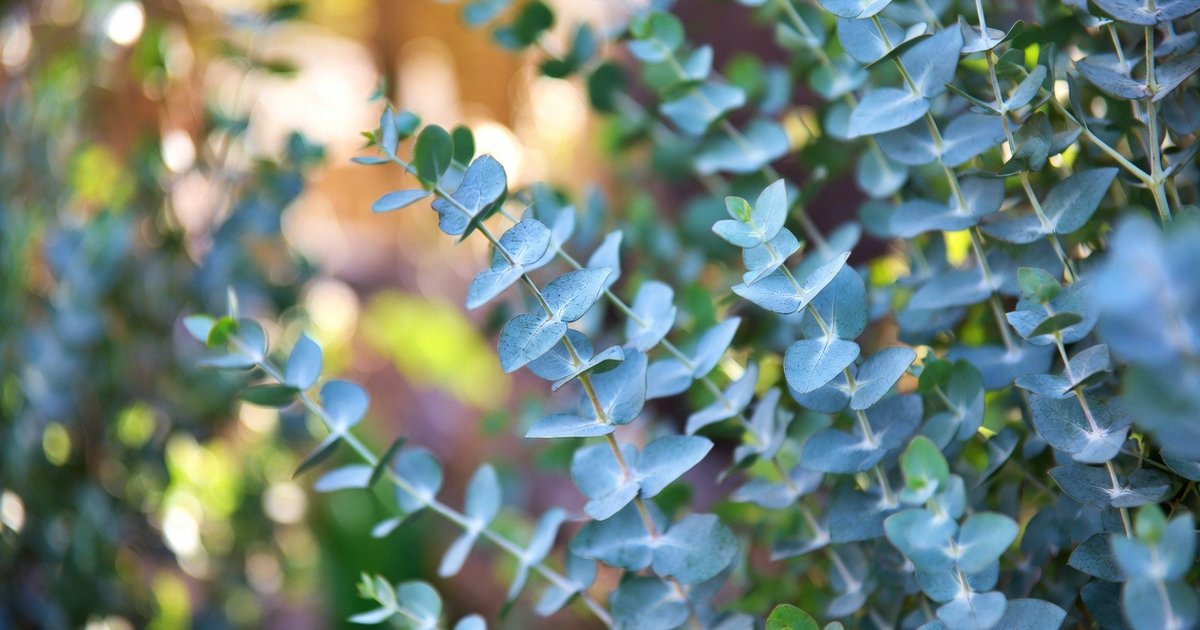
Few plants have risen in popularity quite like ornamental eucalyptus. Once known primarily as a florist’s greenery, eucalyptus has become a staple in modern container gardens, patio planters, and outdoor living spaces across Northern Colorado. Its silvery-blue foliage, clean architectural lines, and unmistakable fragrance give it a sophisticated look that feels equally at home in farmhouse gardens, contemporary landscapes, and cottage-style containers.
For gardeners in Fort Collins, Loveland, Windsor, Greeley, and surrounding Front Range communities, decorative eucalyptus offers something increasingly valuable: dramatic texture with relatively low water needs and exceptional heat tolerance.
At [Plantorium.com](https://plantorium.com?utm_source=chatgpt.com ornamental eucalyptus continues to grow in popularity among gardeners looking to add elegance, fragrance, and movement to summer planters and landscape beds.
Why Eucalyptus Works So Well in Colorado Containers
Although many people associate eucalyptus with towering Australian trees, the varieties commonly sold as annual ornamentals in Colorado are grown primarily for their foliage rather than their mature size.
In a single growing season, ornamental eucalyptus develops into a striking accent plant with rounded silver leaves and upright stems prized by floral designers and home gardeners alike.
Colorado’s dry climate actually suits eucalyptus remarkably well. Unlike humid regions where fungal issues can become problematic, Front Range conditions allow foliage to stay clean and healthy through much of the season.
The plant thrives in:
- Sunny patio containers
- Modern mixed planters
- Raised beds
- Drought-conscious landscapes
- Cut flower gardens
- Outdoor entertaining spaces
Its muted silver-blue tones also pair beautifully with the vivid flowering annuals commonly used in Front Range gardens.
When to Plant Eucalyptus in Fort Collins
Eucalyptus loves warmth.
In Fort Collins and surrounding areas, it should generally be planted after the danger of frost has passed—typically around mid-May.
Cold soil and freezing overnight temperatures can stunt or damage young plants. Because spring weather along the Front Range is famously unpredictable, gardeners often achieve the best results by waiting for consistently mild nighttime temperatures before planting outdoors.
Container-grown eucalyptus can also be temporarily sheltered during unexpected cold snaps.
Sunlight Requirements
For the best color and strongest growth, eucalyptus requires full sun.
In Northern Colorado’s high-elevation climate, at least six to eight hours of direct sunlight produces the dense foliage and sturdy stems that make the plant so attractive.
Too much shade often leads to weak, stretched growth and diminished color.
One reason eucalyptus performs especially well along the Front Range is its natural adaptation to intense sunlight. The silver coating on many varieties actually helps protect the foliage from strong sun exposure and reduces moisture loss during hot weather.
Soil and Water Needs
Like many Mediterranean and Australian plants, eucalyptus prefers excellent drainage.
Heavy clay soils should be amended generously with compost or planted in raised beds to prevent excess moisture around the roots.
For containers, a lightweight, well-draining potting mix is ideal.
Once established, eucalyptus is relatively drought tolerant compared to many annuals. However, newly planted specimens require regular watering while roots develop.
A good approach for Front Range gardeners:
- Water deeply rather than lightly
- Allow the soil surface to dry slightly between waterings
- Avoid constantly soggy conditions
- Increase watering frequency during hot, windy stretches
Because Fort Collins experiences rapid evaporation during summer, container plants may still require frequent monitoring during July and August.
Fertilizing and Growth Habits
Eucalyptus generally requires less fertilizer than heavy-blooming annuals.
Too much feeding can actually produce overly soft growth. A balanced slow-release fertilizer at planting time is often sufficient for an entire season.
Under ideal conditions, ornamental eucalyptus can grow surprisingly quickly in Northern Colorado, often becoming one of the tallest elements in a mixed container arrangement by midsummer.
Many gardeners lightly trim stems throughout the season for floral use indoors, which also encourages branching and fuller growth.
A Florist Favorite in the Home Garden
Part of eucalyptus’ appeal comes from its versatility indoors and outdoors.
The stems are widely used in:
- Fresh floral arrangements
- Wreaths
- Table centerpieces
- Dried bouquets
- Wedding décor
- Shower bundles and spa-inspired arrangements
Even a few clipped stems can fill a room with fragrance and texture.
For gardeners creating QR-code-linked plant catalogs through [Plantorium.com](https://plantorium.com?utm_source=chatgpt.com eucalyptus offers an especially strong crossover appeal between gardening and home décor trends.
Handling Colorado’s Weather Extremes
Front Range gardeners know summer conditions can shift dramatically in a matter of hours.
Fortunately, eucalyptus handles many Colorado challenges surprisingly well, including:
- Intense sunlight
- Dry air
- Sudden heat waves
- Wind exposure
- Low humidity
Its greatest vulnerability is frost. Even light freezes can damage foliage quickly, so the plant is best treated as a warm-season annual throughout Northern Colorado.
At season’s end, many gardeners harvest stems for drying before autumn freezes arrive.
Best Companion Plants
The soft silver foliage of eucalyptus works beautifully with both bold flowers and trailing accents.
Excellent companion plants include:
- Calibrachoa
- Petunias
- Angelonia
- Bacopa
- Verbena
- Sweet Potato Vine
- Dusty Miller
Designers often use eucalyptus as the “structure” plant in containers, allowing flowering annuals to spill and soften around it.
Modern Texture for Front Range Landscapes
One reason eucalyptus has become so fashionable is its ability to add sophistication without feeling overly formal.
In Fort Collins landscapes, it bridges the gap between cottage-garden softness and contemporary outdoor design. Its cool-toned foliage also complements the natural stone, timber, and neutral palettes common in Colorado architecture.
For gardeners seeking a plant that feels both modern and timeless, eucalyptus remains one of the most versatile ornamental annuals available.
Whether used in patio containers, cut-flower gardens, or elegant mixed planters, decorative eucalyptus brings fragrance, movement, and refined texture to Front Range gardens all season long.
Explore seasonal availability and additional annuals at [Plantorium.com’s full plant catalog](https://plantorium.com/all-plants/?utm_source=chatgpt.com
Facts Only
Ornamental eucalyptus is popular in Northern Colorado, including Fort Collins, Loveland, Windsor, and Greeley.
It is used in container gardens, patio planters, and landscapes.
The plant features silvery-blue foliage and a distinctive fragrance.
It thrives in dry, sunny climates with low water needs and high heat tolerance.
Eucalyptus is typically planted after the last frost, around mid-May.
It requires full sun (6-8 hours daily) for optimal growth.
Well-draining soil is essential; heavy clay soils should be amended with compost.
Newly planted eucalyptus needs regular watering until established.
It grows quickly in a single season, often becoming a tall accent in containers.
The plant is vulnerable to frost and is treated as an annual in Colorado.
It is used in floral arrangements, wreaths, and home décor.
Companion plants include calibrachoa, petunias, angelonia, and sweet potato vine.
Executive Summary
Full Take
This article presents ornamental eucalyptus as a near-ideal plant for Northern Colorado gardeners, emphasizing its aesthetic appeal, low maintenance, and adaptability to the region’s climate. The narrative leans heavily on practical benefits—drought tolerance, heat resistance, and versatility—while downplaying potential challenges, such as its frost sensitivity or the need for well-draining soil. The framing aligns with broader trends in gardening media that promote "easy-care" plants, often appealing to time-constrained or novice gardeners. However, the piece avoids overclaiming by acknowledging eucalyptus’s limitations (e.g., frost vulnerability) and providing specific care instructions.
The strongest version of this narrative highlights eucalyptus as a bridge between functional landscaping and decorative use, catering to both gardeners and home décor enthusiasts. Yet, the article’s focus on its ornamental value might overlook ecological considerations, such as whether eucalyptus competes with native species or its long-term sustainability in non-native environments. The absence of discussion about potential pests or diseases—beyond a brief mention of fungal issues in humid climates—could leave readers underprepared for real-world challenges.
Root cause: The narrative reflects a consumer-driven approach to gardening, where plants are valued for their immediate visual and practical benefits rather than their ecological impact. This mirrors broader cultural shifts toward low-effort, high-reward landscaping solutions.
Implications: While eucalyptus offers clear advantages for Front Range gardeners, its promotion as a low-maintenance plant could inadvertently discourage deeper engagement with native or drought-adapted species that might offer longer-term ecological benefits. The emphasis on its use in floral arrangements and décor also ties into the commodification of plants, where their value is measured by aesthetic and commercial appeal rather than ecological role.
Bridge questions: How might the popularity of non-native ornamentals like eucalyptus affect local ecosystems over time? What native alternatives could provide similar aesthetic benefits with greater ecological compatibility? Would a more critical discussion of water use—even for drought-tolerant plants—change how gardeners approach plant selection in arid regions?
Counterstrike scan: If this were part of a coordinated campaign, it might follow a pattern of promoting commercially viable plants while downplaying ecological trade-offs. However, the article’s balanced acknowledgment of care requirements and limitations suggests it is not part of such a strategy. No concerning alignment detected.
Patterns detected: none
Sentinel — Likely Human
The content is a high-quality synthesis of verifiable horticultural facts, framed with a highly optimized, balanced, and promotional tone consistent with LLM output, leaning toward synthetic origin.