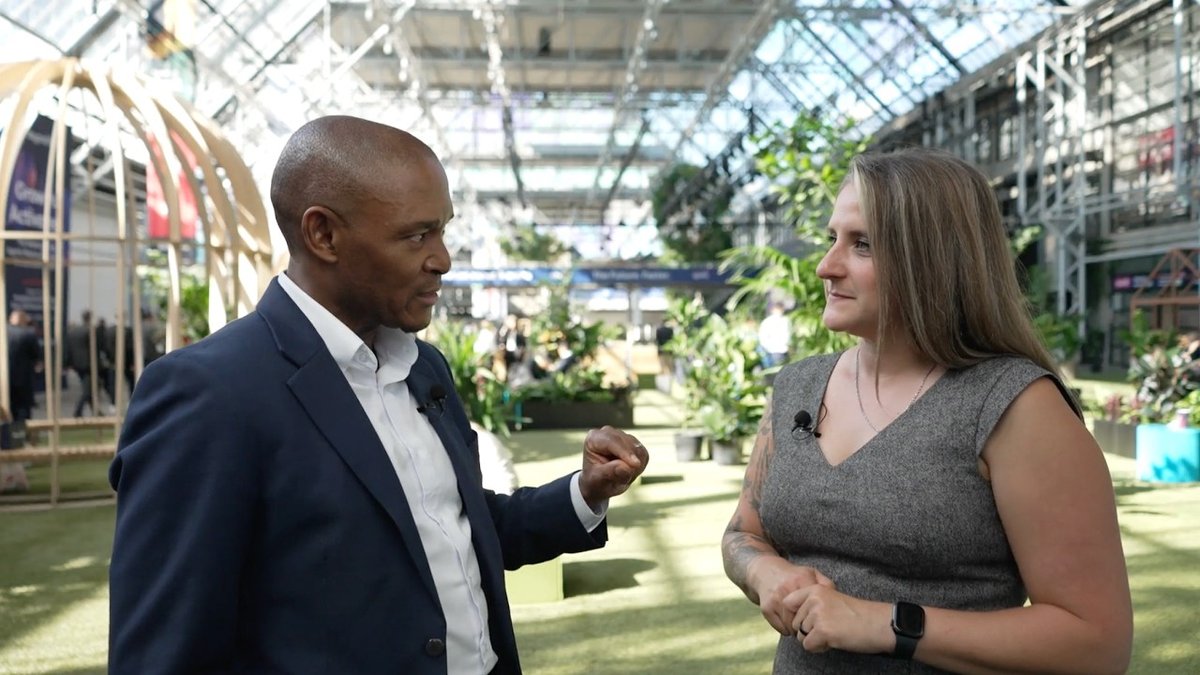
Africa’s digital sovereignty problem is becoming impossible to ignore — and MTN Group thinks it has a pragmatic fix. MTN CTIO Charles Molapisi argued in a recent interview with Fierce that Africa risks exporting its raw data, local language knowledge and cultural insights only to buy back AI-powered intelligence at a premium if it fails to build more compute capacity on the continent.
MTN is responding with plans for AI data centers in Nigeria and South Africa. But its bigger idea is what it calls “data embassies”: regional sovereign data zones inside larger facilities where neighboring countries can control access, infrastructure and governance without each building a full-scale data center of its own.
The pitch comes as AI hype runs into harder questions about cost, power and value creation. Molapisi’s view is that telco AI deployments — whether internal, consumer-facing or enterprise-focused — must pass an economic test, especially as concerns around GPU depreciation, model affordability and energy demand mount.
Get all the details from Fierce’s conversation with MTN in the video above. And check out additional content from our extended interview with Molapisi in these stories:
Data embassies are MTN’s answer to the digital sovereignty crisis
Telcos find AI’s next big use case: energy management
Read and watch all of our coverage from DTW Ignite 2026 right here.
Sentinel — Human
The text reads as synthesized reporting of an expert interview, maintaining a focus on the core argument without exhibiting the overly smooth or hedged language characteristic of pure synthetic generation.