THE BEST OF THE LITERARY INTERNET
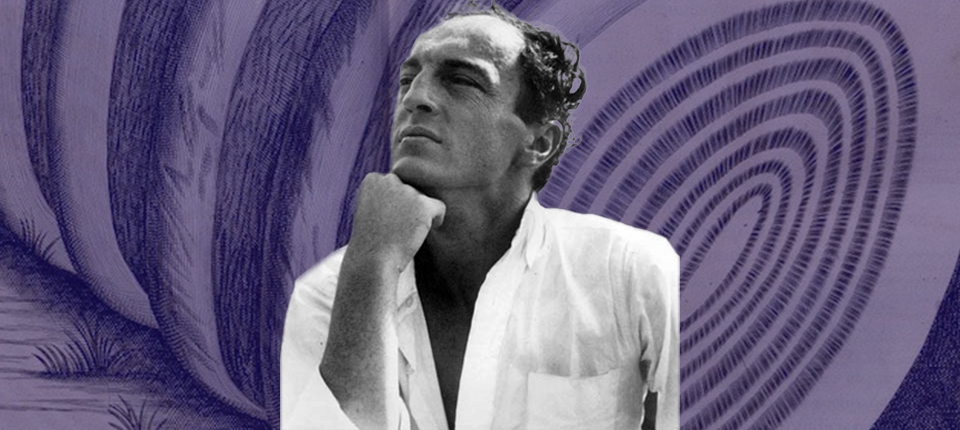
- Langston Hughes, translator? Ricardo Wilson II explores the writer’s experience in Mexico and his struggle to bring Mexican and Cuban writers to American audiences. | Lit Hub Biography
- “Alongside noting each season’s nod to diversity, there has been a steady critique of what the series glosses over, particularly the oppressive, often violent hierarchies, masked by fashion and sentiment.” Patricia Matthew considers the fourth season of Bridgerton. | Lit Hub TV
- Yann Martel explains why writers need to “follow the chemistry.” | Lit Hub Craft
-
Francis Spufford’s Nonesuch, Jordy Rosenberg’s Night Night Fawn, and Chrisopher Clark’s A Scandal in Königsberg all feature among the best reviewed books of the month. | Book Marks
- Adrian McKinty on when science killed God (and Richard Holmes’s The Boundless Deep): “If Darwin killed God and Kelvin killed any point to doing anything where does that leave the artist or indeed the ordinary human being?” | Lit Hub Criticism
- Poet Maggie Smith takes you on a tour of her writing space. | Lit Hub Craft
- “To Baba, the lush voices and machine-backed rhythm were a bitter impwa dish, which clung to the tongue even after several glasses of water.” Read from Mubanga Kalimamukwento’s new novel, The Shipikisha Club. | Lit Hub Fiction
- Ariella Garmaise digs into the controversy surrounding Nan Goldin’s Stendhal Syndrome. | The Walrus
- Revisiting the story of the Toulagoo Nine, a group of Black college students arrested for protesting the segregation of public spaces (by reading at the library). | Smithsonian Magazine
- “I wanted to do something with my hands, something real, tangible, and material. Pleasure and mastery.” Peter Wayne Moe on finding a small way to resist AI. | Longreads
- “There’s no conflict in Death Comes for the Archbishop, except for the grinding of tectonic plates, the breaking of treaties, the murder of nations.” Patricia Lockwood on Willa Cather. | London Review of Books
- Riley MacLeod cooks the joke vegetarian food from Alison Bechdel’s Dykes to Watch Out For. | Aftermath
- The internet’s free encyclopedia has banned AI-generated article content: “Text generated by large language models (LLMs) often violates several of Wikipedia’s core content policies.” | 404 Media
Article continues after advertisement
Facts Only
Langston Hughes' experience in Mexico and his efforts to bring Mexican and Cuban writers to American audiences are discussed.
The fourth season of Bridgerton is reviewed, with notes on diversity and critiques of what the series glosses over.
Yann Martel discusses why writers should follow the chemistry.
Books by Francis Spufford, Jordy Rosenberg, Christopher Clark, and Mubanga Kalimamukwento receive positive reviews.
Adrian McKinty writes about the impact of Darwin and Kelvin on art and human life.
Maggie Smith provides a tour of her writing space.
Excerpts from Mubanga Kalimamukwento's new novel, The Shipikisha Club, are shared.
Ariella Garmaise delves into the controversy surrounding Nan Goldin’s Stendhal Syndrome.
The story of the Toulagoo Nine, a group of Black college students arrested for protesting segregation in public spaces, is revisited.
Peter Wayne Moe discusses finding ways to resist AI.
Willa Cather's Death Comes for the Archbishop is analyzed.
Alison Bechdel's Dykes to Watch Out For is referenced, with a focus on its joke vegetarian food.
Wikipedia bans AI-generated article content due to potential violations of several core content policies.
Executive Summary
Full Take
In this article, we see an examination of the ongoing tension between tradition and diversity in various cultural spheres. The fourth season of Bridgerton is praised for its commitment to inclusivity but also criticized for glossing over oppressive hierarchies and violence that are masked by fashion and sentiment. This duality reflects a broader conversation about the role of entertainment in addressing complex social issues while still being accessible and appealing to a wide audience.
The article also highlights the struggle of writers, such as Langston Hughes, to bridge cultural gaps and bring lesser-known voices to the forefront. This theme is echoed in Yann Martel's emphasis on following the chemistry of ideas rather than adhering strictly to established literary conventions.
In addition, there is a recurring focus on the impact of science on society, with Darwin and Kelvin discussed as key figures who challenged traditional beliefs about religion and the purpose of human life. This theme is explored in Adrian McKinty's analysis of how science and art intersect and influence one another, raising questions about the role of artists in a rapidly changing world.
Finally, the article touches on the ongoing debate around AI and its potential impact on various aspects of society, from art to encyclopedias. Peter Wayne Moe's resistance to AI serves as an example of the human desire for tangible, creative expression in an increasingly automated world, while Wikipedia's decision to ban AI-generated content illustrates concerns about maintaining quality and accuracy in digital knowledge repositories.
Patterns detected: ARC-0043 Motte-and-Bailey (balancing praise for the fourth season of Bridgerton with criticisms), ARC-0024 Ambiguity (the ongoing tension between tradition and diversity).