The Super Bowl is a one-night luxury product; the Olympics is an infrastructure project with medals. The FIFA World Cup 2026 is a roaming retail platform: 48 teams, 104 matches and 16 host cities across three countries. Through 44 matches, attendance had topped 2.85 million, with stadiums averaging 99.6% full, according to a Reuters analysis. FIFA’s 2026 revenue budget is $8.9 billion, with broadcasting rights contributing the largest slice, at 44%.
Mexico Is Winning the Jersey Table
British retailer JD Sports says Mexico and Argentina have produced its best-selling team kits so far, both supplied by Adidas, Reuters reported. Adidas says Mexico’s shirt is the worldwide bestseller, Yahoo Finance reported. in its range. There is not yet a public, audited, cross-retailer leaderboard for individual players. Anyone confidently awarding the commercial Golden Boot to Messi, Ronaldo or Mbappé is doing influencer math, not accounting.
The Hottest Products Are Wearable
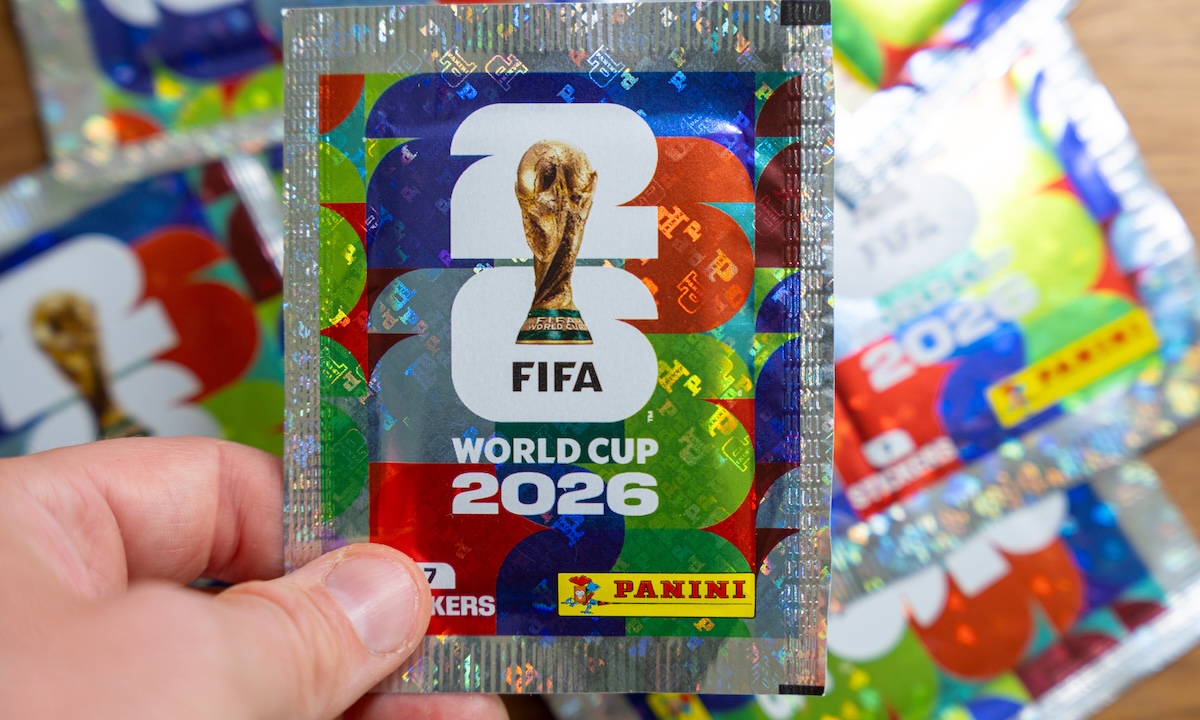
There is no single merchandise scoreboard, but the demand signals are loud. Jerseys lead; Panini sticker packs have sold out at major British retailers including Argos, GAME, Smyths and Sports Direct, according to the U.K. edition of The Sun. The official FIFA store shows sellouts for the Americana water bottle and host-city posters from Seattle, Dallas, Houston and Atlanta.
Some of the more unusual merchandise being sold includes retro Gap jerseys, upcycled vintage tops and glitter freckles, Inc reported.
Reuters reports that Mexico mania has expanded into pet jerseys, including unofficial gear for dogs, ducks, hamsters and horses. One vendor ran out after selling as many as 30 pet shirts a day. The World Cup’s long tail, apparently, has paws.
Host City Revenue Is Real
Mexico City’s opening weekend generated nearly $70 million in economic activity, according to calculations reported by Mexico News Daily, with restaurants and bars posting sales increases of up to 40%.
In Philadelphia, the owner of Midnight & The Wicked told the city that sales were running 80% to 100% above last year, and that Brazil’s win produced the busiest night in the venue’s history, according to the City of Philadelphia.
Across host markets, CoStar data reported by Skift showed hotel revenue per available room rising 24% to more than 100% during the first three match days. The catch: much of that lift came from higher room rates, not fuller hotels.
Non-Host Cities Get in on the Games
Lawrence, Kansas, which is housing Algeria’s base camp rather than staging matches, has turned downtown green, white and red. Restaurants expanded halal menus, Algeria-themed merchandise “flew off the shelves,” and one T-shirt seller told Reuters that demand exceeded expectations.
Lancaster, Pennsylvania, played a more algorithmic game: A tourism campaign targeting fans researching Philadelphia and New York trips produced more than $2 million in attributed hotel revenue before kickoff, according to an Adara case study. FIFA placed team base camps in 25 communities without matches, creating mini economies around training grounds and team hotels.
A Spending Geyser, Not a Sprinkler System
The money is substantial but uneven. New York’s hotel association cut its World Cup-related room-revenue forecast by 60%, to roughly $60 million, as high prices, travel friction and late booking behavior softened demand, Reuters wrote in a June 11 report on disappointing World Cup tourism numbers. Vacation rentals have fared better, the report noted, with Airbnb expecting the event to be its largest ever.
World Cup commerce, like soccer, rewards positioning and timing. The early leader is a Mexico shirt; the breakout rookie may be an Algeria tee from Lawrence; and the strangest MVP candidate is a $39 water bottle that is no longer available. The final is still weeks away, but capitalism has already escaped the group stage and is wearing glitter freckles.
Facts Only
* The FIFA World Cup 2026 revenue budget is $8.9 billion.
* Broadcasting rights contribute 44% of the FIFA 2026 revenue budget.
* Attendance for the World Cup matched over 2.85 million matches.
* Stadiums averaged 99.6% full according to a Reuters analysis.
* Mexico and Argentina produced Adidas team kits, which are considered best-sellers.
* Mexico's shirt is reported as the worldwide bestseller in the Adidas range.
* The official FIFA store showed sellouts for Americana water bottles and host-city posters from Seattle, Dallas, Houston, and Atlanta.
* Hotel revenue per available room rose 24% to over 100% during the first three match days in host markets.
* Mexico City generated nearly $70 million in economic activity on its opening weekend.
* Lawrence, Kansas, housed Algeria’s base camp rather than staging matches.
* Lancaster, Pennsylvania, achieved over $2 million in attributed hotel revenue from a tourism campaign before kickoff.
Executive Summary
Full Take
Sentinel — Human
This text functions as high-level synthesis, expertly weaving hard economic statistics with speculative cultural trends, demonstrating a nuanced human editorial perspective.