Facts Only
President Trump fired Attorney General Pam Bondi.
Deputy Attorney General Todd Blanche was appointed as acting Attorney General.
Former federal prosecutor Scott Fredericksen appeared on CBS News to discuss the change.
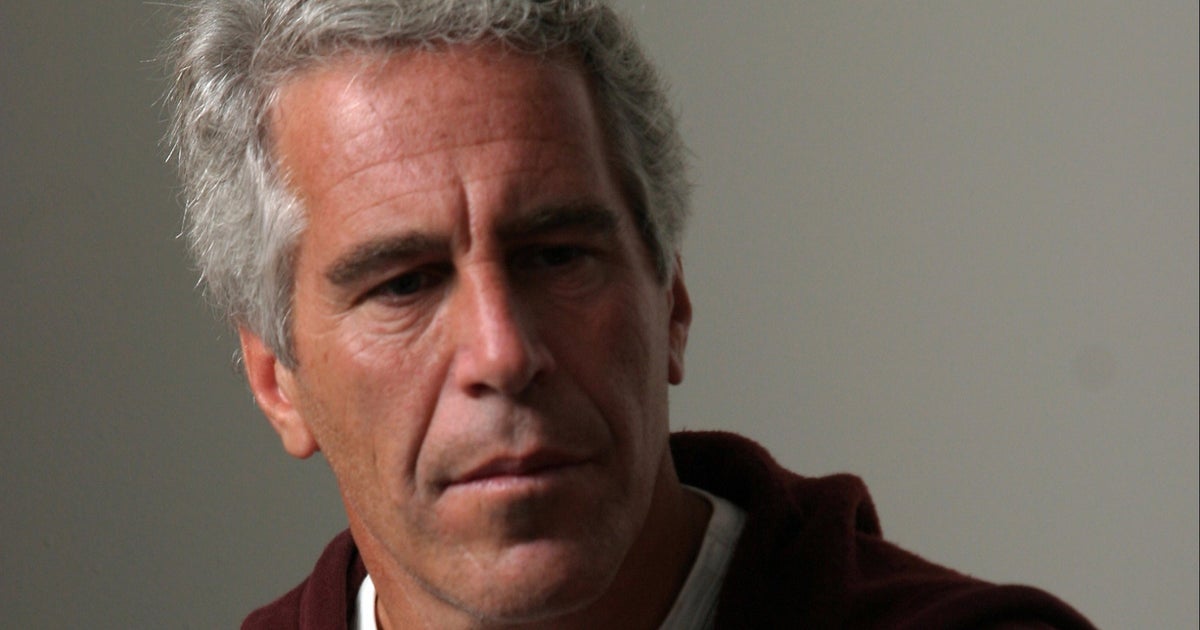
The discussion focused on the fate of the Jeffrey Epstein files following Bondi’s firing.
The Epstein files pertain to legal documents and investigations related to Jeffrey Epstein.
The leadership change introduces questions about the handling of the Epstein case.
The event occurred in the context of broader legal and political scrutiny surrounding Epstein.
No specific timeline or dates were provided for the firing or appointment.
The location of the discussion was CBS News, a national media outlet.
The institutions involved include the U.S. Department of Justice and the office of the Attorney General.
The commentary centered on procedural and investigative implications of the leadership transition.
Executive Summary
Full Take
The strongest version of this narrative highlights a legitimate concern: leadership changes at the Department of Justice can disrupt high-profile investigations, and the Epstein case is no exception. The appointment of an acting AG—especially one with a background that may differ from their predecessor—could shift priorities or approaches. This is a valid area for public scrutiny, given the sensitivity of the Epstein files and their potential to implicate powerful figures.
However, the framing risks slipping into speculative territory. The article does not provide evidence that the firing was directly tied to the Epstein case, yet the juxtaposition of the two events invites readers to infer a connection. This aligns with **ARC-0024 Ambiguity**, where the absence of explicit causation is filled by implication. Another pattern to note is **ARC-0043 Motte-and-Bailey**: the headline suggests a direct link between Bondi’s firing and the Epstein files, but the actual discussion is more tentative, retreating to broader procedural questions when pressed.
The root cause here is the public’s distrust in institutional handling of high-profile cases, particularly those involving elite networks. The assumption that personnel changes are strategically timed to bury or advance certain investigations is understandable but requires more than circumstantial timing to substantiate. Historically, such narratives thrive in environments where transparency is lacking, and the Epstein case is a prime example of how secrecy fuels conspiracy theories.
The implications for human agency are significant. If the public perceives that justice is contingent on who holds power rather than the rule of law, it erodes trust in democratic institutions. The beneficiaries of this narrative could include those seeking to discredit the DOJ or political opponents, while the costs are borne by civic trust and the integrity of ongoing investigations.
Bridge questions: What evidence would be needed to confirm or refute a direct link between Bondi’s firing and the Epstein files? How might the media’s framing of this event shape public perception of the DOJ’s independence? What safeguards exist to ensure continuity in sensitive investigations despite leadership changes?
Counterstrike scan: A coordinated influence campaign would exploit the ambiguity around Bondi’s firing to amplify distrust in the DOJ, using the Epstein case as a wedge issue. It would flood zones with speculative takes, framing the event as proof of a cover-up without requiring evidence. The actual content does not fully match this pattern—it presents the event as newsworthy but stops short of outright conspiracy—but the potential for manipulation exists in how the story is amplified or distorted elsewhere.