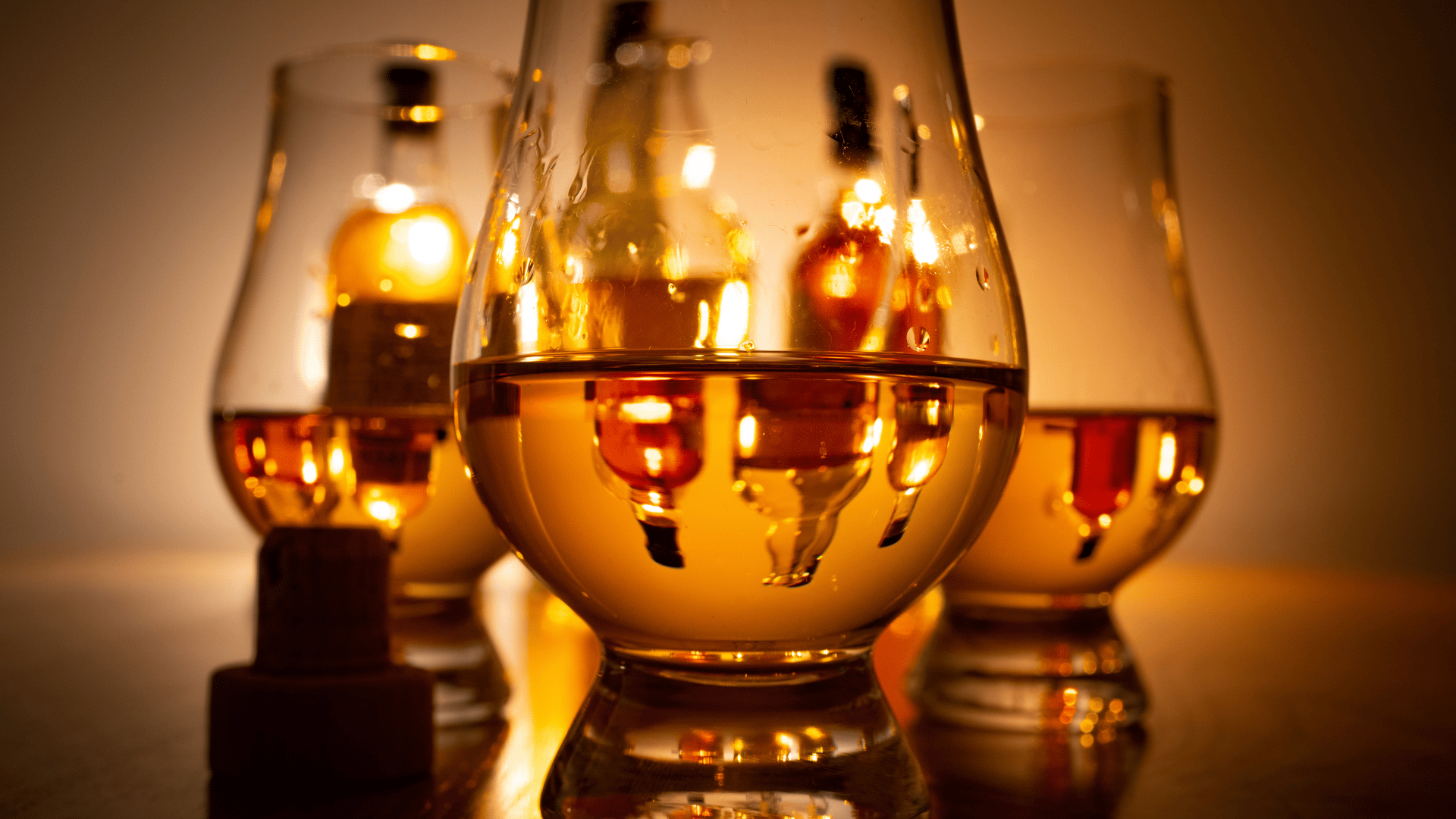
For many drinkers, Japanese whisky begins with Yamazaki. It’s a brand that helped put the category on the global map: elegant, fruit-forward, and dialed in with precision.
But all the success means that nowadays, finding a bottle of Yamazaki can also be a pretty expensive journey (if you can even find one at all). So if what you love about Yamazaki isn’t just the name, then here are some other bottles from Japan that deliver a similar philosophy, with a little less strain on your bank account.
First, some history for the spirit nerds. Japan’s whisky story starts in the early 20th century, when a handful of ambitious producers looked to Scotland as the model (which is also why the “e” in whisky has gone missing). The big name to remember is Masataka Taketsuru, who contributed to the early days of Yamazaki, and later founded Nikka.
Japanese producers adopted Scotch fundamentals—malted barley, pot stills, cask management—and layered in their own sensibility, particularly the use of native Mizunara oak casks. Also, unlike Scotland’s relatively stable, cool conditions, much of Japan has hot summers and cold winters.
Those temperature swings accelerate interaction between spirit and wood, intensifying maturation. At the same time, high humidity in certain regions can influence how whisky develops in cask. By the end, the result is a style that can be mature, integrated, and composed, often with a younger age statement than you might expect, while still retaining clarity and restraint.
Here are four options worth exploring (plus an honorable mention), along with an expression from each, all of which make a strong fighting argument as your next great Japanese pour.
#1: Nikka
Founded by Masataka Taketsuru in 1934, Nikka carries deep historical credibility. It’s also one of the two market leaders, along with Suntory, which owns both Yamazaki and another brand mentioned below. The company operates two major distilleries: Yoichi in Hokkaido and Miyagikyo in Sendai.
Yoichi often shows firmer structure and a subtle thread of smoke, thanks in part to traditional distillation methods. Miyagikyo leans softer and more fruit-driven, stylistically closer to Yamazaki’s profile.
Recommended Expression: Nikka Miyagikyo Single Malt
Miyagikyo earned strong marks in international spirits competitions for its elegance and balance, and it’s frequently cited as one of the more refined single malts in Japan’s modern lineup. All without an age statement.
Expect a taste of orchard fruit up front, followed by honeyed malt and light vanilla. The texture is silky, with restrained oak and a subtle white-pepper spice that keeps things structured without turning sharp. No heavy smoke here. This is about composure and integration. The peated version will amp up the price, so there’s a reason we start with the basics.
#2: Hibiki
If Yamazaki is about single-malt precision, Hibiki represents Suntory’s mastery of blending. First introduced in 1989 to mark the company’s 90th anniversary, Hibiki pulls together malt and grain whiskies from Yamazaki, Hakushu, and Chita distilleries into a delicious whole. Older expressions like Hibiki 17 and 21 have won major international awards, including multiple “World’s Best Blended Whisky” titles (proof that blending at this level isn’t a compromise).
Recommended Expression: Hibiki Japanese Harmony
Japanese Harmony is the most accessible expression in the lineup and a clean entry point into the house style. Expect honeyed sweetness, soft citrus, gentle spice, and seamless integration from start to finish. It’s layered without being loud, polished without feeling sterile; the same composure Yamazaki fans appreciate.
#3: Mars (Shinshu)
Mars Shinshu flies slightly under the radar compared to the Suntory and Nikka giants, but among Japanese whisky enjoyers, it commands respect. Operated by Hombo Shuzo, a family-run company dating back to the 19th century, the Shinshu distillery sits in Nagano Prefecture at an elevation of 2,600 feet, making it the country’s loftiest whisky distillery. Literally.
That cooler climate influences maturation, often yielding whiskies that feel nuanced and textural without being aggressive. Offerings from Mars can feel a bit more craft-driven, which adds an exploratory edge to the brand. While Mars can be a little harder to find, many savvy bar programs with an eye on Japanese whisky will have a bottle or two.
Recommended Expression: Mars Iwai Tradition
Iwai Tradition isn’t an age-statement single malt. It’s a blended whisky designed for balance and drinkability that consistently earns praise as one of the strongest value plays in Japanese whisky. Looking at the price range ($50-$60), it’s hard to disagree.
#4: Chichibu
If you want to step outside the Suntory-Nikka orbit entirely, Chichibu is the move. Founded in 2008 by Ichiro Akuto, whose family has been involved in sake and spirits production for generations, Chichibu represents the modern, independent face of Japanese whisky. It’s smaller, more hands-on, and far more limited in output than the major houses, which is part of the appeal.
Despite its relative youth, Chichibu has earned major international recognition, including multiple gold medals at the World Whiskies Awards. The style leans precise but expressive: bright orchard fruit, clean malt sweetness, firm oak structure, and (depending on the release) assertive peat. It’s Japanese whisky without the corporate polish.
Recommended Expression: Chichibu US Edition
The US Edition is one of the more realistic entry points into the brand: a fully Japanese single malt distilled and matured at Chichibu, released in limited annual allocations. Expect layered orchard fruit, structured oak, subtle spice, and a composed but confident finish. It’s not cheap, but regular releases mean another shot if you miss one.
Honorable Mention: Nikka from the Barrel
This compact, cuboid bottle is a personal favorite: bold, perfectly smoky, bottled at 51.4% ABV, and usually under $70. It punches far above that price point.
But for all it has going for it, the expression doesn’t technically qualify as Japanese whisky under current regulations. Nikka From the Barrel is a blend that includes spirit from Ben Nevis distillery in Scotland (which Nikka has owned since 1989). Because Japanese whisky must be distilled, matured, and bottled in Japan to meet the modern standard, From the Barrel falls outside that definition. A number of other whiskies from Japanese companies have leaned into this “world” blending style as well, with whiskeys from Canada, Ireland and Scotland mixed in.
So while Yamazaki may have introduced you to Japanese whisky, it isn’t the ceiling. If what you’re drawn to is composure and technical control, you’ve got options. And in a market where Yamazaki bottles can be elusive or steeply priced, exploring those options is practical and fun.
Facts Only
Japanese whisky gained global recognition, with Yamazaki being a leading brand known for its elegant, fruit-forward profile.
Masataka Taketsuru contributed to Yamazaki’s early development and later founded Nikka in 1934.
Japanese whisky production adopted Scotch fundamentals, including malted barley and pot stills, but incorporated unique elements like Mizunara oak casks.
Japan’s climate, with hot summers and cold winters, accelerates whisky maturation.
Nikka operates two distilleries: Yoichi in Hokkaido and Miyagikyo in Sendai.
Yoichi whiskies often have a firmer structure and subtle smoke, while Miyagikyo whiskies are softer and fruit-driven.
Hibiki is a blended whisky from Suntory, combining malts from Yamazaki, Hakushu, and Chita distilleries.
Mars Shinshu is a high-altitude distillery in Nagano Prefecture, known for nuanced and textural whiskies.
Chichibu, founded in 2008, is an independent distillery recognized for its precise and expressive whiskies.
Nikka From the Barrel includes spirit from Ben Nevis distillery in Scotland and does not qualify as Japanese whisky under current regulations.
Recommended expressions include Nikka Miyagikyo Single Malt, Hibiki Japanese Harmony, Mars Iwai Tradition, and Chichibu US Edition.
Executive Summary
Japanese whisky has gained global recognition, with brands like Yamazaki leading the way due to their elegant, fruit-forward profiles. However, the popularity of Yamazaki has made it expensive and difficult to find, prompting interest in alternative Japanese whiskies that offer similar qualities at a more accessible price point. The history of Japanese whisky traces back to the early 20th century, with key figures like Masataka Taketsuru, who founded Nikka after contributing to Yamazaki’s early development. Japanese producers adopted Scotch whisky fundamentals but incorporated unique elements, such as Mizunara oak casks and a climate with extreme temperature swings, which accelerate maturation.
Several brands stand out as strong alternatives to Yamazaki. Nikka, founded by Taketsuru, operates two distilleries—Yoichi and Miyagikyo—with Miyagikyo’s single malt offering a fruit-driven profile similar to Yamazaki. Hibiki, a blended whisky from Suntory, combines malts from Yamazaki, Hakushu, and Chita distilleries, delivering a harmonious and polished experience. Mars Shinshu, a smaller producer, offers nuanced whiskies influenced by its high-altitude location, while Chichibu represents the independent, craft-driven side of Japanese whisky. Each brand provides distinct expressions that cater to different preferences, from refined single malts to well-balanced blends, all while maintaining the composure and precision that define Japanese whisky.
Full Take
The narrative presents Japanese whisky as a refined and accessible alternative to Scotch, emphasizing craftsmanship, precision, and unique regional influences. The strongest version of this argument highlights the historical roots of Japanese whisky, its adoption of Scotch techniques with local adaptations, and the diversity of styles available beyond the well-known Yamazaki. The article effectively steelmans the case for exploring lesser-known brands, framing them as equally sophisticated but more attainable options.
However, the piece leans heavily on authority figures like Masataka Taketsuru and established brands (Nikka, Suntory) to lend credibility, which could be seen as an appeal to tradition rather than objective quality. The focus on "composure" and "integration" as defining traits of Japanese whisky risks oversimplifying a complex category, potentially ignoring variations in style or quality across producers. The mention of Nikka From the Barrel’s regulatory exclusion is a rare acknowledgment of complexity, but the broader discussion avoids critiquing the industry’s marketing strategies or the scarcity-driven pricing of premium bottles.
Root cause: The narrative reflects a broader trend in spirits journalism where "discovery" and "accessibility" are framed as virtues, often without interrogating the economic or cultural forces shaping availability. The assumption that Japanese whisky is inherently more refined than other styles goes unchallenged, as does the implication that price correlates with quality.
Implications: Readers may walk away with a narrowed view of Japanese whisky, prioritizing brands that fit a specific mold while overlooking experimental or less polished expressions. The focus on value could also inadvertently reinforce the idea that whisky appreciation is primarily about cost efficiency rather than personal preference or exploration.
Bridge questions: How might the Japanese whisky industry’s reliance on Scotch-inspired techniques limit innovation? What role do regulatory definitions play in shaping consumer perceptions of authenticity? Would a blind tasting challenge the article’s emphasis on "composure" as a defining trait?
Patterns detected: none
Sentinel — Human
The text exhibits strong human authorship, blending verifiable historical and geographical facts with subjective, expert-level sensory analysis and comparative recommendations.