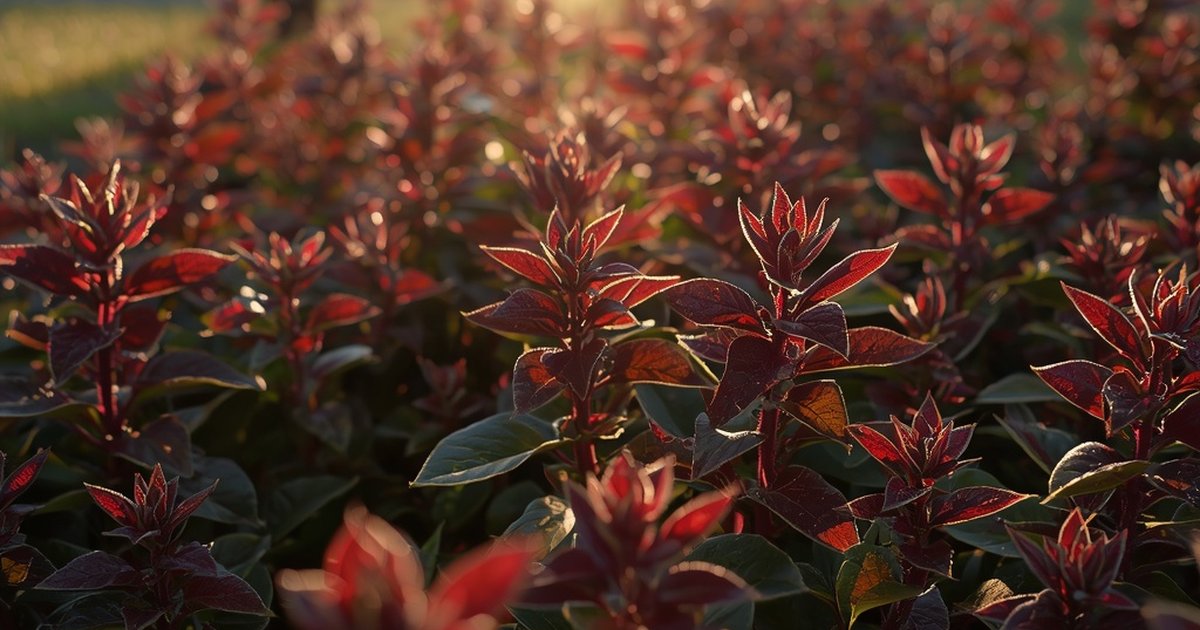
Ajuga ‘Burgundy Glow’ is one of those rare groundcovers that manages to be both practical and beautiful at the same time. With its soft blend of burgundy, cream, pink, and green foliage, it brings year-round visual texture to garden beds while quietly solving one of the most common landscaping challenges along Colorado’s Front Range: how to cover difficult spaces attractively and reliably.
In Fort Collins and surrounding areas, gardeners often struggle with exposed soil, dry shade, and areas where turf grass simply refuses to thrive. Ajuga offers an elegant alternative. It spreads low to the ground, softens hard edges, and creates a layered, cottage-garden look that feels mature almost immediately after planting.
At [Plantorium.com](https://plantorium.com?utm_source=chatgpt.com Ajuga ‘Burgundy Glow’ is valued as a dependable perennial groundcover that adds both color and texture to Front Range landscapes.
Why Ajuga ‘Burgundy Glow’ Performs Well in Northern Colorado
Ajuga, sometimes called bugleweed, is a hardy perennial known for its spreading habit and ornamental foliage. ‘Burgundy Glow’ is especially prized for its variegated leaves, which combine:
- Deep burgundy tones
- Soft pink highlights
- Cream-edged variegation
- Green undertones that shift through the season
In spring, spikes of blue-violet flowers rise above the foliage, adding another layer of seasonal interest.
It performs well in Fort Collins because:
- It tolerates Colorado’s temperature swings
- It handles partial shade beautifully
- It fills in quickly without demanding heavy maintenance
- It provides season-long foliage color even when not in bloom
When to Plant Ajuga in Fort Collins
Perennial ajuga can be planted from spring through early fall, though spring and early autumn are typically the best times along the Front Range.
In Northern Colorado:
- Spring planting allows roots to establish before summer heat
- Fall planting benefits from cooler temperatures and reduced stress
- Avoid planting during peak summer heat whenever possible
Once established, ajuga settles in quickly and begins spreading naturally through short runners.
Sunlight Requirements
Ajuga ‘Burgundy Glow’ performs best in partial shade, though it can tolerate a range of conditions.
In the Front Range climate:
- Morning sun with afternoon shade is ideal
- Partial shade helps preserve foliage coloration
- Full sun is possible with adequate moisture
- Deep shade may reduce color intensity and flowering
In hotter parts of Colorado summers, some protection from intense afternoon sun helps prevent leaf scorch.
Soil and Growing Conditions
Ajuga prefers moist, well-draining soil rich in organic matter.
For best results:
- Amend clay soils with compost before planting
- Improve drainage in compacted areas
- Mulch lightly to retain moisture and regulate soil temperature
Although adaptable, ajuga performs best in soil that stays moderately moist without becoming soggy.
Watering in a Front Range Climate
During establishment, consistent moisture is important.
Recommended watering approach:
- Water regularly during the first growing season
- Keep soil evenly moist but not waterlogged
- Reduce watering frequency once established
- Increase moisture during prolonged dry spells
Because Fort Collins has low humidity and drying winds, groundcovers often require more attention during their first year than gardeners initially expect.
Fertilizing and Maintenance
Ajuga is generally low maintenance and does not require heavy feeding.
A light spring application of balanced fertilizer or compost is usually sufficient to support:
- Healthy foliage color
- Vigorous spreading growth
- Strong spring flowering
Maintenance is minimal and typically includes:
- Removing damaged winter foliage in spring
- Dividing overcrowded sections every few years if needed
- Monitoring spread near delicate neighboring plants
Garden Role and Landscape Use
Ajuga ‘Burgundy Glow’ is primarily used as a perennial groundcover and foliage accent.
It works especially well in:
- Shaded garden borders
- Under trees and shrubs
- Woodland-style plantings
- Cottage gardens
- Pathway edging
- Slope stabilization areas
In Fort Collins landscapes, it is often used where homeowners want to reduce exposed soil while maintaining a lush, layered appearance.
Spring Flowers and Pollinator Value
Although grown mainly for foliage, ajuga’s spring flower spikes are highly attractive to pollinators.
The blue-violet blooms help support:
- Early-season bees
- Beneficial pollinating insects
The flowers also create a beautiful contrast against the variegated foliage during spring.
Handling Colorado Weather
Ajuga is surprisingly hardy for such a decorative-looking plant.
It tolerates:
- Cold winters
- Spring temperature fluctuations
- Moderate drought once established
- Partial shade and filtered light
It is less tolerant of:
- Prolonged standing water
- Extremely dry soil for extended periods
- Harsh reflected heat without moisture
Mulching can help moderate soil conditions during Colorado’s freeze-thaw cycles.
Companion Planting
Ajuga pairs beautifully with other perennial shade and part-sun plants.
Excellent companions include:
- Hosta
- Coral bells (Heuchera)
- Ferns
- Columbine
- Creeping phlox
- Lamium
- Ornamental grasses for contrast
Its variegated foliage helps brighten shaded areas and ties together mixed perennial plantings.
A Groundcover with Four-Season Appeal
Ajuga ‘Burgundy Glow’ offers something many perennial groundcovers struggle to provide: genuine ornamental beauty combined with practical performance. Its colorful foliage, spreading habit, and adaptability make it especially valuable in Front Range gardens where difficult spaces often need creative solutions.
For homeowners in Fort Collins looking to build layered, low-maintenance perennial beds with year-round visual interest, Ajuga ‘Burgundy Glow’ remains one of the most versatile and rewarding choices available.
Explore seasonal availability and additional perennials at [Plantorium.com’s full plant catalog](https://plantorium.com/all-plants/?utm_source=chatgpt.com
Facts Only
Ajuga ‘Burgundy Glow’ is a perennial groundcover with variegated foliage in burgundy, cream, pink, and green.
It produces blue-violet flower spikes in spring.
The plant spreads via short runners and thrives in partial shade.
It is marketed by Plantorium.com as a solution for difficult landscaping spaces in Colorado’s Front Range.
Ideal planting times in Northern Colorado are spring and early fall.
It tolerates Colorado’s temperature fluctuations and dry shade.
Prefers moist, well-draining soil amended with organic matter.
Requires consistent watering during establishment but becomes drought-tolerant.
Low-maintenance, needing only light fertilization and occasional division.
Used in shaded borders, under trees, and for slope stabilization.
Attracts early-season pollinators like bees.
Companion plants include hostas, coral bells, and ferns.
Executive Summary
Full Take
This article presents Ajuga ‘Burgundy Glow’ as a near-ideal solution for Front Range gardeners, emphasizing its aesthetic and functional benefits. The narrative leans heavily on its adaptability and low maintenance, which aligns with broader trends in landscaping toward sustainable, water-wise, and pollinator-friendly plants. However, the piece assumes uniform growing conditions and doesn’t address potential drawbacks, such as invasiveness in some regions or susceptibility to pests like slugs. The focus on Northern Colorado’s climate is specific, but the claims about hardiness and drought tolerance could vary in other environments.
The strongest version of this narrative highlights the plant’s versatility and ecological benefits, which are well-supported by the described characteristics. Yet, the lack of comparative analysis—how it stacks up against other groundcovers like creeping thyme or sedum—limits the reader’s ability to make fully informed choices. The article also subtly frames ajuga as a "problem-solver" for difficult spaces, which could oversimplify the complexities of soil health and microclimates in real-world gardens.
Root cause: The paradigm here is solutionism—presenting a single plant as a fix for common landscaping challenges. This echoes broader cultural trends in gardening media that favor quick, visually appealing fixes over long-term ecological planning. The implications for human agency are mixed: while the article empowers gardeners with a practical option, it risks undermining deeper engagement with soil science and native plant ecosystems.
Bridge questions: How does ajuga’s spread compare to native groundcovers in terms of long-term ecosystem impact? What trade-offs exist between its aesthetic appeal and potential maintenance issues over time? Would local nurseries or extension services recommend it as universally as this article suggests?
Counterstrike scan: If this were part of a coordinated campaign, the playbook might involve promoting a single plant as a silver-bullet solution to drive sales or simplify gardening decisions. However, the content doesn’t exhibit manipulative patterns like exaggerated claims or emotional appeals. It remains a straightforward, if somewhat one-sided, recommendation.
Patterns detected: none