This story is adapted from the Slatest newsletter. You can sign up here to get it in your inbox every day.
Less than a month ago, in the very first edition of this revamped newsletter, we warned you that Donald Trump’s tenuous ceasefire agreement with Iran could very easily go sideways. Well, the two sides are once again lobbing missiles at each other, and Trump is declaring the ceasefire “over.” We don’t love being right about this one, but here’s how we got here.
What exactly is going on?
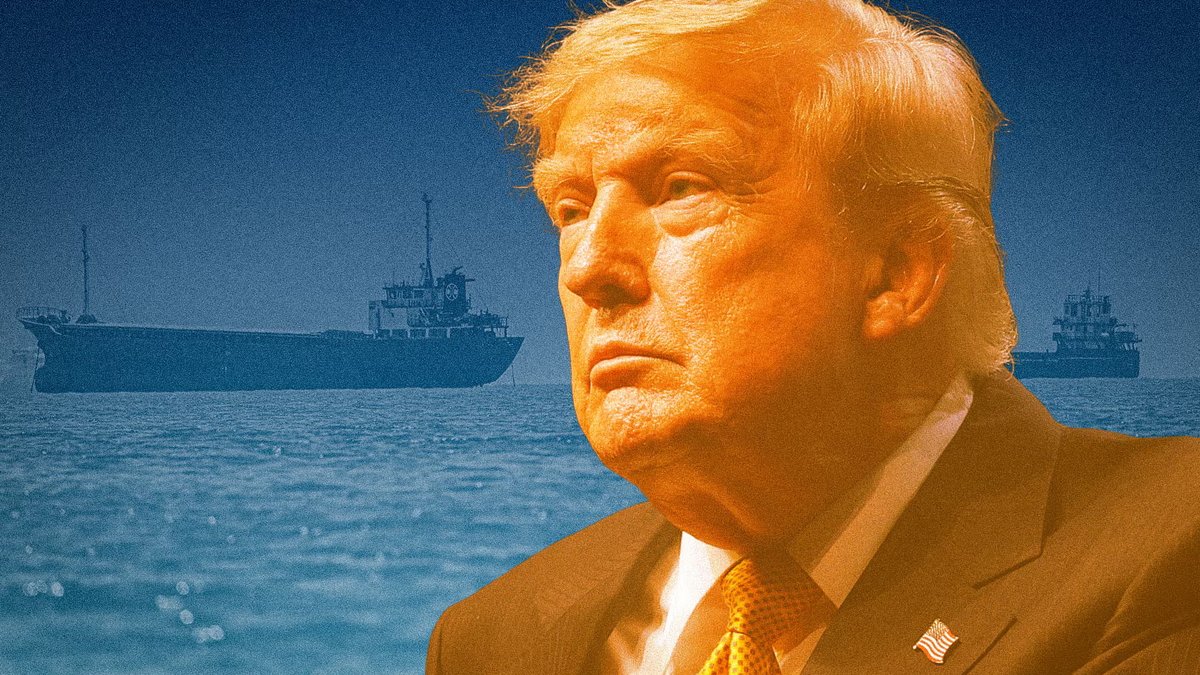
The fighting resumed this week, after Iran reportedly fired at ships in the Strait of Hormuz, an important waterway that the country effectively closed early in the war. Those attacks prompted renewed U.S. strikes on Iranian cities, which Iran responded to by shooting at U.S. military bases in the region. “To me, I think it’s over,” Trump said of the ceasefire yesterday.
OK, but why did the ceasefire collapse?
In short, both sides accused the other of breaking it. The deal Trump and Iran signed just weeks ago, formally called a memorandum of understanding, was meant to extend a preexisting ceasefire and reopen the strait. But its vague wording was ripe for misinterpretation. Iran seems to have taken the text—which says in part that Iran “will make arrangements using its best efforts for the safe passage of commercial vessels”—as proof of its continued control over the strait. According to the Wall Street Journal, however, the U.S. Navy has secretly been helping ships navigate it using a route farther from Iran’s coast. Iran apparently saw that as a violation of the memorandum, hence the strikes that restarted the fighting.
So are we at war again?
It’s a simple question that’s tricky to answer. On the one hand, if missile and drone strikes aren’t war, I’m not sure what is. On the other, the U.S. and Iran also exchanged attacks during the ceasefire that preceded the memorandum of understanding.
So are this week’s hostilities a return to all-out conflict? Or are they just another speed bump on the way to peace?
That’s what everyone wants to know. Despite having started this war, Trump really seems to want to wash his hands of it; oil prices are already spiking again, bad news for Republicans ahead of the midterm elections. Iran, which lost many of its top leaders early in the war, may not want to escalate things too much either. But the fighting could easily spiral out of control. Israel threatened today to resume attacking Iran “with even greater force,” and Trump has renewed his threats to bomb civilian infrastructure (which could amount to war crimes).
The ceasefire was supposed to jump-start negotiations over Iran’s nuclear program, right? Are those talks off?
Let’s just say things don’t look promising. Trump has called further talks a “waste of time.” Iran has responded in kind: “Hit, and you’ll be hit,” said Mohammad Bagher Ghalibaf, who led the country’s negotiating team. Yet Trump also claimed yesterday that Iran called him and still wants “a deal so badly.” Iran hasn’t confirmed that, so maybe it’s wishful thinking. Or maybe both sides are already trying to dial things back. One thing that is for sure: However far from peace with Iran we were last week, we’re even farther from it now.
OK! You’re caught up on a huge story of geopolitical importance. Time to relax—the news will still be there tomorrow. For your evening enjoyment, I recommend:
Some brain-teasing fun: What’s a three-letter word for a “Mother clucker”? Solve today’s crossword for some witty wordplay. Or, if you prefer your puzzles bite-sized, try today’s mini.
A revamped vampire tale: The Lost Boys, one of the 1980s’ campiest cult classics, just got adapted into a Broadway musical. My colleague Sam Adams interviews Michael Arden, the ingenious new play’s Tony-winning director, about how he pulled it off.
A gripping narrative that might change how you see alligators: Down in the manicured exurbs of Florida, what happens when someone spots an alligator next to their pool? To find out, Slate’s Luke Winkie (pictured below with an actual gator!) spent some long, muggy days with trappers and aficionados alike. It turns out that almost everything we think we know about alligators—including their supposed threat to us—is wrong.
Get some clarity on a wild Supreme Court term: Sometimes the best way to stop spiraling about the news is to debrief with smart friends. That’s why Slate is hosting an Amicus Plus Breakfast Table event tomorrow at noon Eastern. Several of the smartest legal experts will join my colleagues Mark Joseph Stern and Dahlia Lithwick for a live video chat about everything that happened at the high court this year. The event is exclusive to Slate Plus members, so register here if you are one. And if you aren’t, it isn’t too late to sign up!
Thanks for starting your evening with us! Have a great rest of your night.
Facts Only
* Iran reportedly fired at ships in the Strait of Hormuz.
* These attacks prompted renewed U.S. strikes on Iranian cities.
* Iran responded by shooting at U.S. military bases in the region.
* A ceasefire was declared "over" by Trump.
* The memorandum of understanding called for Iran to arrange safe passage for commercial vessels.
* The U.S. Navy allegedly assisted ships navigating a route farther from Iran’s coast.
* Trump called further talks a "waste of time."
* Mohammad Bagher Ghalibaf stated, "Hit, and you’ll be hit."
Executive Summary
Full Take
Sentinel — Human
The text reads like an editorial or newsletter excerpt, synthesizing geopolitical facts with personal reflection and concluding with promotional material, suggesting significant human authorship rather than pure AI generation.