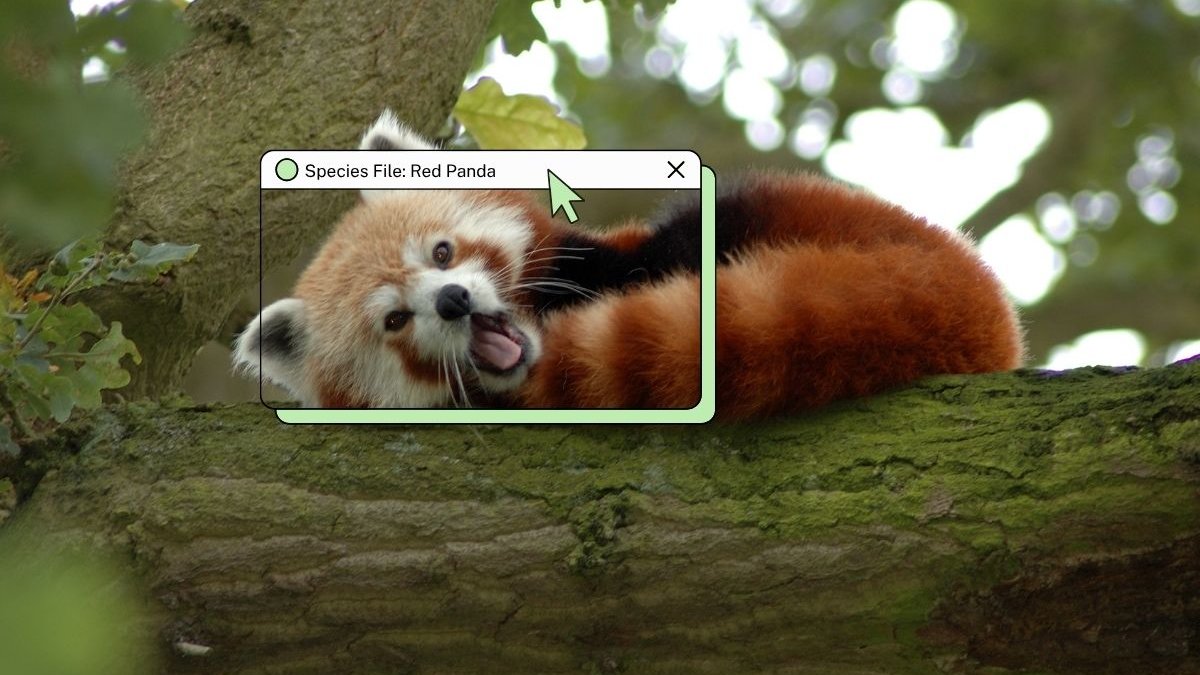
Species File: Exploring India’s biodiversity, one species at a time.
With an incurable sweet tooth, this mammal spends hours feeding on tender bamboo shoots. While it has a predominantly plant-based diet, it is a carnivore, occasionally eating eggs, insects and small birds.
Meet the red panda (Ailurus fulgens). It has a unique ruddy coat, ringed tail and a laid-back demeanour. It is not much of a traveller and stays within a short home range of two to three kilometres.
There are two species of red pandas — the Himalayan red panda (Aurilius fulgens fulgens) and the Chinese red panda (Aurilius fulgens styani). The two species are distributed in the eastern and north-eastern Himalayan subalpine conifer forests and the eastern Himalayan broadleaf forests, located in China, India, Nepal, Bhutan, and northern Myanmar.
The red panda faces multiple threats ranging from habitat loss to illegal trapping and poaching, as well as snaring in traps set for other animals. While red panda related crimes are at a relatively low level in India compared to Nepal, experts advise threat assessment, population estimations, boosting community conservation initiatives, building on red panda crime database and creating DNA databases at regional levels.
In Nepal’s Taplejung district, Forest Guardians are on the frontlines of red panda conservation. They monitor habitat, deter poaching and gather scientific data to help protect the species — part of a citizen-led program launched in 2010.
The International Union for Conservation of Nature (IUCN) Red List of Species categorises the red panda as endangered with an estimated fewer than 15,000 individuals in the wild. In India, it has the highest legal protection under Schedule I of the Wildlife Protection Act 1972. It is also listed under Appendix I of the Convention on International Trade in Endangered Species of Wild Fauna and Flora (CITES), prohibiting international trade.
In an earlier story that Mongabay published in July 2025, Ang Phuri Sherpa, Executive Director of Red Panda Network, a non-profit, said, “One of the biggest threats to their survival is the rapid, haphazard construction of roads in Nepal’s mid-hills. These roads often cut through critical habitat, without any scientific assessment, fragmenting the forests red pandas rely on.”
Read more about how habitat fragmentation and natural barriers restrict red panda movement, and the need for cross-border collaboration to protect the species.
Banner image: A red panda. Image by Harlequeen via Wikimedia Commons (CC BY 2.0).