Cargo Ship Reports Attack Off Yemen, Adding To Red Sea Risks
By Paul Burkhardt Jul 5, 2026 (Bloomberg) –A cargo vessel in the Red Sea reported that it came under attack from armed assailants on Sunday, the latest instance of security risks...
By Weilun Soon and Stephen Stapczynski
Jul 7, 2026 (Bloomberg) –A laden liquefied natural gas carrier was hit by a projectile near the Omani coast as it exited the Strait of Hormuz, heightening unease among shipowners and testing a US-Iran agreement intended to halt attacks in the waterway.
The Al Rekayyat was struck in the early hours of Tuesday, according to people familiar with the matter, who asked not to be named due to the sensitivity of the issue. An alert from security consultancy EOS Risk Group confirmed the attack about 8 nautical miles (15 kilometers) east of Limah, Oman, and a subsequent fire, classifying it as either a drone or missile strike.
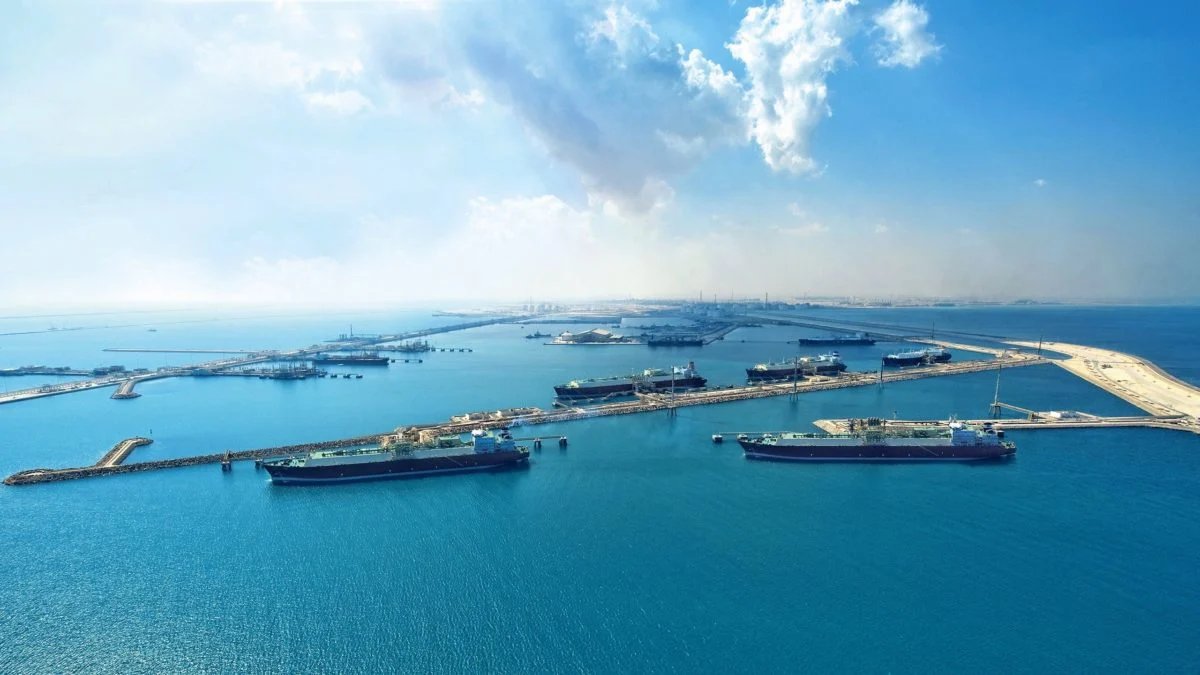
The vessel, owned by Qatar’s state-owned shipping company Nakilat, is the first LNG tanker from the country to come under attack since the war began, and marks a significant setback for its efforts to revive exports after months of near-paralysis. It had picked up a shipment from Qatar’s Ras Laffan earlier, the people said.
The vessel appeared to be traveling without its transponder on, ship-tracking data show, a common measure to avoid attracting attention. The UK Maritime Trade Operations had earlier issued an alert on attack but did not identify the carrier.
QatarEnergy and Nakilat didn’t respond to requests for comment.
The strike has already raised fresh concerns among shipowners. Al Areesh, another LNG tanker that loaded in Qatar and was headed out of the Persian Gulf, appeared to turn before the strait on Tuesday before sailing in circles, according to shipping data. It had been signaling Pakistan’s Port Qasim as its destination.
Other traffic continued to flow, however. A Japanese-flagged supertanker and another registered with Singapore appearing to sail through the strait on the Iran-approved route, together with a China-bound liquefied petroleum gas carrier. To the south, a convoy of at least six ships, including three very large crude carriers, appears to be approaching the Omani coastline on the way out of the Persian Gulf.
European gas prices climbed as much as 6%, while Brent crude futures ticked higher on the news. Oil prices have plunged in recent days as the prospect of more vessels being able to transit the strait prompted concerns the market will soon be oversupplied.
Hormuz has been a focal point for all sides since the US and Israel began strikes on Iran in late February, as shipowners assess the safety of the crossing in order to dispatch vessels in and out of the Persian Gulf. Even after an interim peace deal signed last month, Tehran continues to seek to assert its dominance over the thoroughfare.
Traffic has improved since the agreement, but continues to face challenges and interruptions, as Iran periodically blocks transits on routes it has not approved, or attacks vessels. On Monday, a group of Japan-linked ships appeared to have transited the strait by hewing to an Iran-approved route.
Still, there is as yet little clarity over a permanent solution to manage the chokepoint amid talks aimed at achieving a lasting peace.
The Iran-approved corridor along the north side of the strait has seen two-thirds of all transits in recent days, according to data from intelligence firm Kpler Ltd., with the rest crossing along the US-managed Oman route.
Out of the 25 ships that transited Hormuz on Monday alone, only three did so on the Omani side with their transponders on, the data show — despite an update from regional naval forces reminding shipowners that the US-managed Oman route remained available for use.
“The continued use of different shipping lanes suggests that traffic through the strait remains operational, but is fragmented as shipowners adopt different routing strategies based on their individual risk assessments,” said Muyu Xu, senior crude oil analyst at Kpler.
The attack came as President Donald Trump headed to a NATO leaders’ summit in Ankara, Turkey. The US war with Iran is expected to be a major topic of discussion, with Trump having expressed anger at several members of the North Atlantic Treaty Organization for not doing more to help the US against the Islamic Republic.
Talks between the US and Iran were suspended as Tehran began a mass funeral for the late Supreme Leader Ali Khamenei, who was killed on the first day of the war in late February. Qatar said the next meeting would be scheduled as soon as possible after the funeral ceremonies. Khamenei is scheduled to be buried in his hometown of Mashhad on July 9.
Axios reported earlier that two merchant vessels had been struck by Iranian missiles, without naming the ships. Both vessels suffered significant damage but there were no casualties, Axios cited an unidentified US official as saying.
© 2026 Bloomberg L.P.
This article contains reporting from Bloomberg, published under license.
Sign up for gCaptain’s newsletter and never miss an update
Subscribe to gCaptain Daily and stay informed with the latest global maritime and offshore news
Essential news coupled with the finest maritime content sourced from across the globe.
Sign Up