Supported by
What We Know About Immigration Officers Shooting at People in Vehicles
Federal agents have fired on at least 21 people, many in their cars, as part of President Trump’s deportation crackdown. At least five people were killed, including three U.S. citizens.
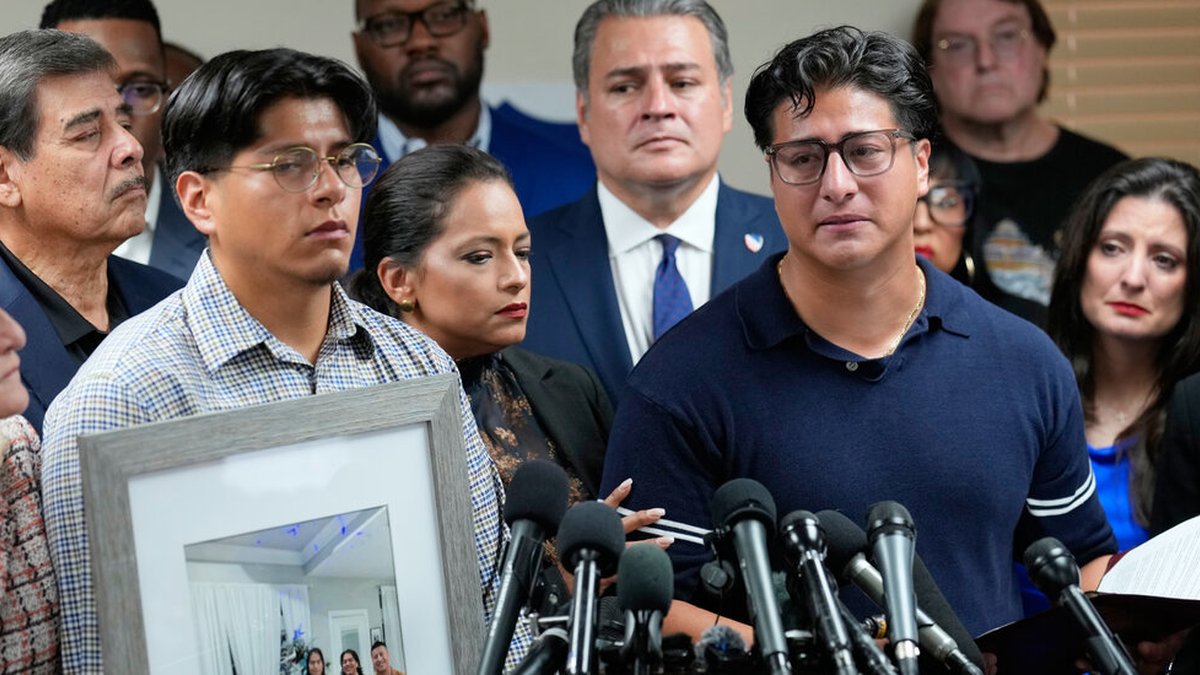
A federal immigration agent killed a man from Mexico on Tuesday in Houston, firing into the car that the man was driving. It was at least the 21st shooting by agents involved in President Trump’s deportation crackdown since he took office for his second term in January 2025.
Five people, including three U.S. citizens, were killed as a result of those shootings, nearly all of which involved officers firing at people in vehicles.
Here’s what we know.
What happened in Houston?
It’s unclear, but officials with the Immigration and Customs Enforcement agency said officers stopped a vehicle around 6:50 a.m. and tried to arrest the driver, Lorenzo Salgado Araujo.
The driver “weaponized his vehicle” and tried to run over the agent, who fired at him, the agency’s statement said.
This is the same language that federal officials have used repeatedly to describe other shootings by immigration agents. In many instances, those initial descriptions — including claims that officers had been assaulted or injured — later unraveled in court.
No evidence was immediately provided to support the federal officials’ account of the shooting of Mr. Araujo. He suffered a gunshot wound to his abdomen, was taken to a hospital and died, said Rustin Rawlings, a spokesman for the Houston Fire Department.
Shootings involving federal immigration officers
The list includes people who were fired upon during immigration enforcement activities in President Trump’s second term. U.S. citizens are noted with an asterisk.
Related Content
Advertisement
Sentinel — Human
The text reads like a condensed report relying heavily on quoted official agency statements regarding an event, exhibiting characteristics of factual reporting rather than purely synthetic generation.