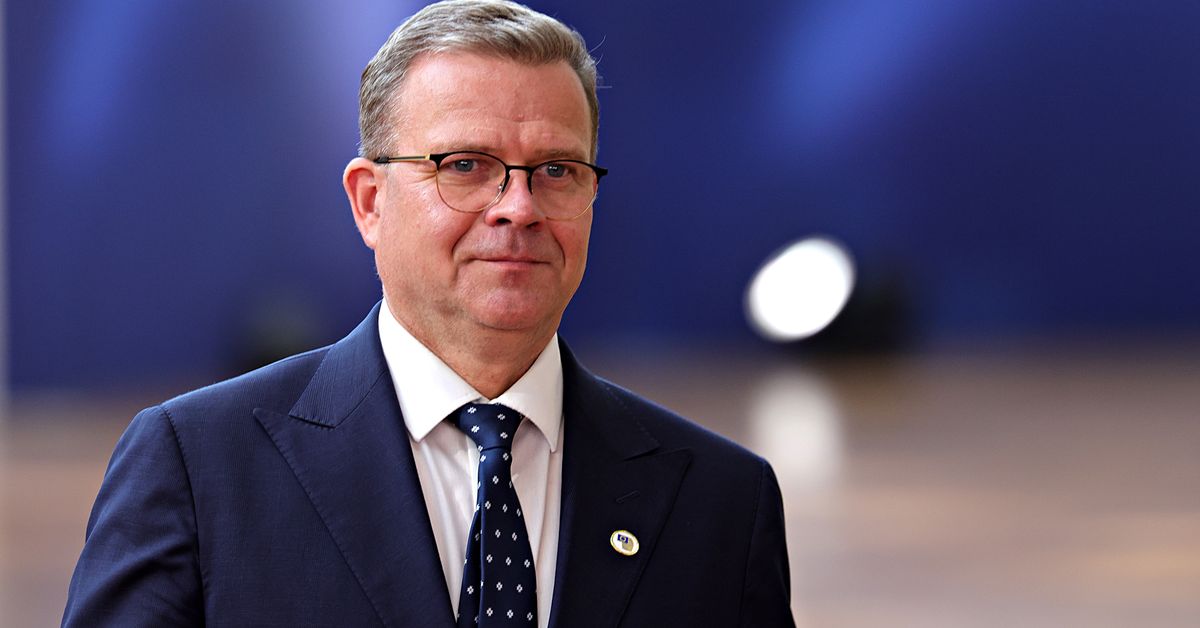
BRYSSEL Pääministeri Petteri Orpon (kok.) mukaan Eurooppa vastaa Kiinan-kaupan haasteeseen parhaiten parantamalla omaa kilpailukykyään.
– Kaikki Euroopan omaa kilpailukykyä koskevat uudistukset, joita on nyt paljon pöydällä, pitää viedä maaliin, Orpo sanoi saapuessaan EU-huippukokoukseen.
Eurooppa jää Orpon mukaan jälkeen Kiinasta kilpailukyvyssä. Kiina on edellä teknologioissa ja on kaupassa.
EU-johtajat yrittävät huippukokouksessa löytää yhteisiä ratkaisuja Kiinan-kaupan suureen alijäämän korjaamiseen.
Eurooppa ostaa suunnattomasti enemmän tavaraa Kiinasta kun se vie Kiinaan. Kiinan-kaupan alijäämä oli viime vuonna noin 360 miljardia euroa. EU pitää tasoa kestämättömänä.
Kiina tukee teollisuuttaan avokätisesti ja kiinalaisyritykset pystyvät näin myymään tuotteitaan edullisesti Eurooppaan. Tämä vääristää kilpailua. Euroopassa tästä kärsivät monet teollisuudenalat muun muassa autoteollisuus.
– Ei ole myöskään Kiinan etu pitkällä aikavälillä, että kauppatase on niin rajusti alijäämäinen.
Uudistuksilla Orpo viittaa esimerkiksi sisämarkkinoiden kehittämiseen ja pääomamarkkinaunionin rakentamiseen. Molemmat ovat olleet EU:ssa tekeillä pitkään.
Tiekartta riippuvuksista eroon
Orpon mukaan EU:n pitää myös päästä kaupan riippuvaisuuksista eroon tai ainakin vähentää niitä. Hän aikoo esittää kokouksessa tiekarttaa tähän.
– Tiekarttaan määriteltäisiin, mikä on kriittistä ja mille tasolle ne pitää yhdessä painaa.
Lisäksi EU:n pitää rakentaa puhevälit Kiinaan.
– Puheyhteys ei ole kunnossa.
Orpon mukaan yksittäiset maat käyvät Kiinan kanssa paljon keskustelua, mutta tarvitaan Euroopan yhteinen ääni.
Facts Only
* Prime Minister Petteri Orpo stated that Europe should improve its own competitiveness to best address China's trade challenge.
* Reforms concerning European competitiveness are currently on the table and must be implemented.
* Europe currently lags behind China in technology and trade competitiveness.
* The trade deficit with China was approximately 360 billion euros last year.
* Chinese companies benefit by selling goods cheaply to Europe, which distorts competition.
* Certain industries, including the automotive sector, suffer from this competitive imbalance.
* The EU must reduce trade dependencies or seek to reduce them.
* A roadmap needs to be developed regarding trade dependencies.
* The EU needs to build a unified voice with China, as current communication channels are inadequate.
Executive Summary
Full Take
The narrative frames the external challenge (China's economic power) primarily as an internal competence issue for Europe ("improving competitiveness"). This framing risks shifting focus away from structural and systemic causes of trade imbalance toward reactive measures. The stated goal of addressing the deficit through purely competitive means, while acknowledged, overlooks the complex interplay between global supply chains, technological asymmetry, and state-led industrial policies.
The reliance on Orpo’s statement to demand "internal" reforms (like internal markets or monetary union) as the solution implies that the core problem is solvable through existing EU institutional mechanisms rather than requiring a fundamental re-evaluation of the current rules of global trade and economic hierarchy. The call for a unified European voice acknowledges the inadequacy of individual state negotiations, suggesting a recognition that fragmented national interests are insufficient against systemic economic pressures.
A critical underlying assumption in this rhetoric is that the solution lies within EU sovereignty and efficiency. This avoids scrutinizing whether external actors' actions (China’s industrial policy) fundamentally disrupt the established rules upon which EU competitiveness is judged. The pattern detected: ARC-0024 Ambiguity—the term "competitiveness" serves as a flexible metric, allowing for calls for internal structural change while simultaneously justifying externally focused diplomatic engagement.
The implications are that pursuing purely competitive realignment risks being perceived as an attempt to manage the symptoms of systemic imbalance rather than challenging the underlying power structure driving trade disparities. The question becomes: Is the focus on internal reform sufficiently balanced against the need for external, coordinated challenges to rebalance global economic power?
Sentinel — Human
This analysis is highly likely human-written, reflecting standard political reporting of EU economic strategy and attributed statements.