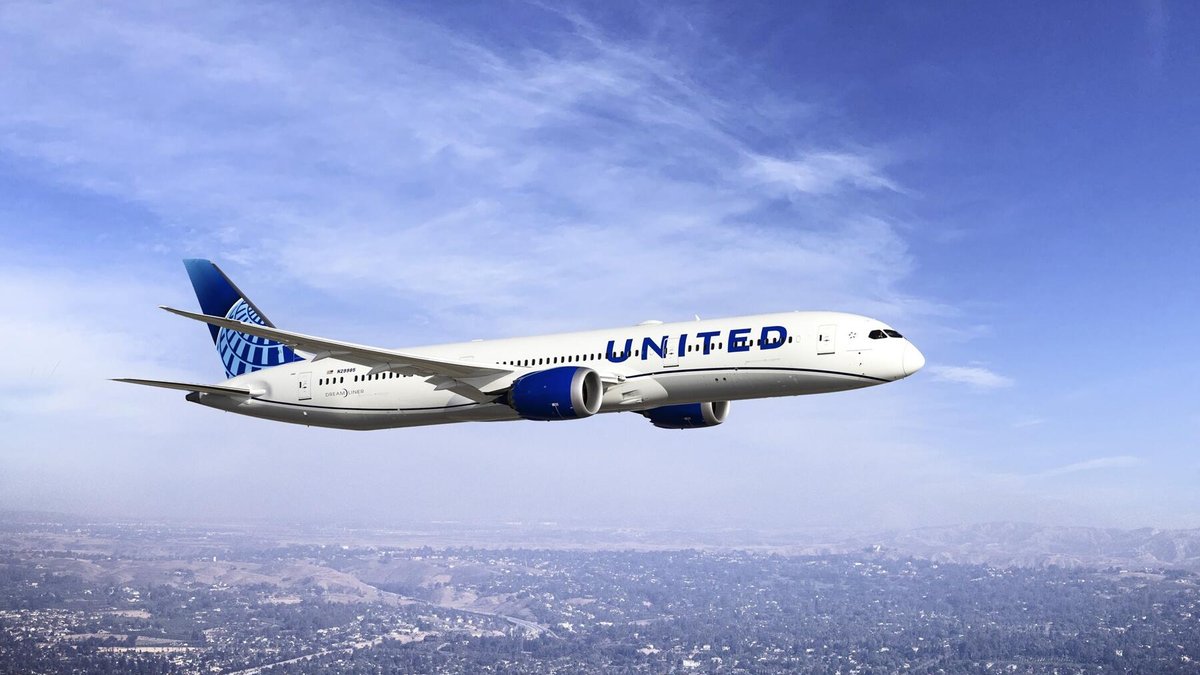
A judge ruled that passengers can move forward with a lawsuit claiming United sold window seats that did not actually have windows.
A lawsuit filed by a group of passengers alleging that United Airlines engaged in breach of contract by selling window seats without windows can move forward, a judge ruled in San Francisco’s District Court on Monday.
The suit, filed in 2025, was one of a pair of lawsuits by passengers seeking damages from airlines for allowing them to select window seats without telling them at the time of booking that the seats actually lacked a window. The other suit was filed against Delta Air Lines in a New York federal court; Delta has similarly motioned to have the case dismissed. United had moved to dismiss the lawsuit, which sought to create a class action against both airlines.
The plaintiffs in both actions have alleged that United and Delta charged extra for window seats that weren’t actually window seats, but were instead located next to a wall or an air-conditioning duct vent, which replaces the window in certain segments of an aircraft fuselage. They point out that other carriers, such as American Airlines and Alaska Airlines, provide this information to passengers during the seat selection process, so they can make an informed decision about whether to pay for that seat. United and Delta’s failure to provide the information, the plaintiffs allege, was misleading, causing them to pay for a product that wasn’t what was advertised.
Recommended Fodor’s Video
“Had plaintiffs and the class members known that the seats they were purchasing [were] windowless, they would not have selected them—much less have paid extra,” the United complaint said, according to Reuters, which noted that the Delta complaint contained similar claims. At the time the lawsuits were filed, a lawyer for the parties said that the fact that seating information about both airlines’ aircraft could be found on other websites—but not on the carriers’ own sites—did not excuse them from the complaint.
While some passengers named in the suit have since received refunds of seat fees they paid, others haven’t. The suits seek compensation for damages related to the carriers’ practices.
In rejecting United’s motion to dismiss, Judge James Donato rejected the defense that the term “window” referred to a seat’s position along the wall of the aircraft, and did not contractually promise a window or a view. Donato also rejected United’s argument that federal law preempted passengers’ claims. Federal law preempts a passenger’s complaint if the activity in question is a violation of federal laws, such as disability claims or violations of federal rules on how airlines display fares or respond to customer complaints.
U.S. airlines began charging for seat assignments beginning in the mid-2000s; the practice is now commonplace. Both United and Delta charge for standard seat assignments on most discounted fares, and also charge a premium for extra legroom sections in the front of the economy cabin. Depending on the type of aircraft, window seats without actual windows can be in portions of the aircraft fitted with seats in any class of service—including premium cabins such as premium economy and business class where seat assignments can typically be made in advance without incurring additional fees.
Airline technology surrounding seat maps has markedly improved in the last few years, allowing airlines to indicate whether seats don’t recline, are in emergency exit rows, lack windows, or are misaligned with entertainment screens in the booking process. Japan Airlines even goes so far as to allow passengers to see the locations of passengers traveling with infants—ostensibly so they can select seats away from the general vicinity.
The case now moves to discovery and class certification—processes that can be lengthy, often taking a year or more. In the meantime, either airline could elect to offer settlements in lieu of a summary judgment or a trial. If a class is certified, other passengers who have paid the airlines for similar windowless seats could also file for compensation as part of any settlement.