- Author, 莎拉·格林(Sarah Green)
- Author, 西蒙·圖萊特(Simon Tulett)
- Role, 世界頻道播客
- 閱讀時間: 3 分鐘
當一些全球最大公司的高層權力發生變動時,大多數人並不會注意到。
如果產品表現良好、服務正常、貨架充足,那麼董事會成員是誰並不會成為頭條新聞。但對三星而言,背後的家族王朝錯綜複雜,而該公司對韓國經濟又至關重要,因此它自然會成為頭版新聞。
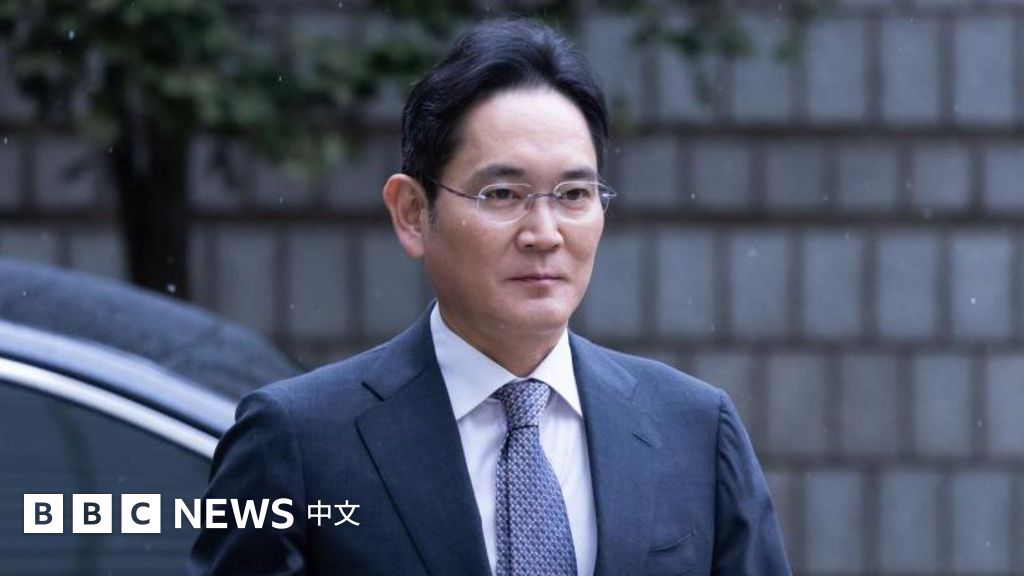
2017年,三星的準繼承人李在鎔因捲入一起腐敗醜聞而被判入獄,該醜聞也導致韓國總統下台。
這位57歲的男子是三星創始人的孫子,《三星崛起》(Samsung Rising)一書的作者傑弗瑞‧凱恩(Geoffrey Cain)稱他為「科技史上最有權勢的人物之一」。
但在2014年,由於他的父親——三星董事長——心臟病發作住院,李在鎔的繼承權並不穩固。
他被指控向崔順實(韓國前總統朴槿惠的密友和心腹)運營的基金會提供資金,以換取崔順實對一項合併案的政治支持,該合併案將加強他對這家企業集團的控制。
他也被指控在三星集團旗下子公司三星物產(Samsung C&T)與另一家子公司第一毛織(Cheil Industries)的合併案中,利用股票和會計造假手段牟利。
檢方稱,他這樣做是為了盡可能控制合併後的新實體,進而掌控三星電子——這家集團的掌上明珠,也是其權力和控制的關鍵來源。
李在鎔一直否認造假指控,但於2017年被判賄賂罪名成立。
2016年,這起巨大的腐敗醜聞爆發,引發了首爾數百萬民眾持續數週的抗議活動,並最終導致韓國總統被彈劾。
為什麼這筆交易如此關鍵?
自1930年代末期三星以雜貨店起家以來,一直由李氏家族掌控。凱恩稱,李氏家族在韓國的地位堪比皇室。他們將公司發展成為真正的全球巨頭,業務涵蓋保險、記憶體晶片、建築以及我們熟知的消費科技領域。
但為了維持家族的控制權,這家企業集團不得不經歷一系列複雜的併購和權力交接。正是這些運作最終將李在鎔送進了監獄。
自2014年其父、時任三星董事長李健熙心臟病發作以來,李在鎔實際上一直掌管著公司。他的父親將公司從一家成功的韓國企業發展成為全球性企業集團。為了順利接管公司,李在鎔曾擔任一系列高層職務。
但當他擔任代理董事長時,卻面臨著一個棘手的局面:確保家族對三星完全掌控的複雜流程尚未完全完成。
此時,三星的商業帝國已變得極為複雜:它囊括了數十家公司,涵蓋三星電子、零售、建築、化學等多個領域。所有這些公司都透過錯綜複雜的交叉持股關係緊密相連。
另一個問題是,李氏家族面臨超過100億美元(74億英鎊)的巨額遺產稅。但如果他們開始出售旗下公司的股份來償還稅款,李氏家族可能會失去對公司的控制權。
繼承風險
身為獨子,李在鎔在父親過世後被選為三星的掌門人。儘管他接受了長達三十年的培養,但對某些人來說,他並非執掌韓國最大企業、肩負國家經濟希望的合適人選。
據韓國《韓民族日報》(Hankyoreh)記者李在妍(Jaeyeon Lee)稱,「他真的與眾不同……他的父親被認為非常強勢、目標明確,而李在鎔則顯得更加靦腆、安靜、謹慎。」
有人認為他的妹妹更有能力,並批評他不夠果斷。在他一手打造的e-Samsung計畫在網路泡沫破滅中失敗後,人們也開始質疑他的能力。
早在上一代,李在鎔家族就曾經歷過一次不太順利的權力交接:當時,作為最小的兒子,李在鎔的父親被選中執掌公司,而他的兩個哥哥卻未能如願。
關於長子李在鎔的叔叔李孟熙的繼承權歸屬,一直存在爭議。按照傳統,他本應繼承公司。一種說法是,當他有機會管理公司時,卻被認為能力不足。他聲稱自己管理了七年。但無論真相如何,1976年被指定為繼承人的是幼子李健熙。這項決定影響深遠,波及數十年。
空交椅
在經歷了一段動盪的開局後,李健熙在上世紀八、九十年代帶領三星集團走向輝煌。然而,挑戰接踵而至。 2008年,在一位前三星律師(後成為檢舉人)聲稱知曉三星利用秘密基金行賄和進行政治交易後,李在鎔及其父親雙雙辭職。
正如記者李在妍所描述的那樣,「這位律師表示,他再也無法忍受這種腐敗。據他所說,三星內部腐敗不堪,讓他難以忍受。」
這引發了人們對三星公司乃至韓國經濟未來走向的擔憂,尤其是在李在鎔被認為是下一任董事長的最佳人選的情況下。
公司突然間群龍無首。他的父親李在鎔後來雖然洗清了受賄指控,但因逃稅罪名成立,被判緩刑並處罰款。從法律意義上講,他已經重獲自由,但三星的最高領導層仍然空缺。李氏家族將如何重新掌控三星?
長達40年的世仇
李健熙最後獲得總統特赦,重返三星集團擔任董事長。但他的麻煩並未就此結束。 2012年,他的哥哥,也就是李在鎔的叔叔,發起了一場爭奪他認為理所當然繼承的股份的行動。此舉可能會破壞三星的下一代繼承計畫。
三星創辦人的長子一直認為自己有朝一日會執掌公司,但在第一次繼承人選確定中,他卻被排除在外,取而代之的是他的小弟弟。
這場日益激烈的紛爭在1976年李在鎔的父親成為董事長並分割公司後進一步升級:他叔叔一方獲得了相對弱勢的股份。因此,40年後,李在鎔和他的父親面臨一場訴訟,這場訴訟可能會迫使他們將價值數億美元的股份歸還給他的叔叔。如果訴訟成功,將導致三星帝國的瓦解,並威脅李在鎔的接班計畫。
穩住船
最終,這場兄弟姊妹間的爭議以及隨後的訴訟或許凸顯了明確繼承順序的重要性。法院裁定,儘管叔叔的一些主張不無道理,但提起訴訟的時效已過。正如李在妍所說:「兄弟姐妹之間互相怨恨,我認為這在一定程度上解釋了李健熙為何要為子女明確劃分繼承順序。」
因此,當李在鎔的父親因心臟病發作臥床不起時,誰來掌管家族事務就一目了然了。他的兒子:這個後來捲入長達十年的巨大腐敗和賄賂醜聞的人。
豁免
直到2025年7月,李在鎔才終於洗清冤屈。首爾高等法院維持了對他的無罪判決,此前他被指控與一起被廣泛認為確保其繼承權的合併交易相關的欺詐行為。這結束了這位三星會長長達十年的刑事指控、審判和牢獄之災。
這也標誌著韓國財閥(或家族企業)傳統的突破。在訴訟過程中,李在鎔暗示了三星王朝的發展方向將會改變。
「我現在要做出承諾——不會再有任何關於繼承權的爭議。我不會將管理權交給我的孩子們。」
因此,問題來了:如果長子不能自動繼承這個帝國,那麼誰會繼承呢?
Facts Only
Lee Jae-yong, Samsung’s de facto leader, was convicted of bribery and embezzlement in 2017.
The charges involved allegations of funneling funds to Choi Soon-sil, a confidante of then-President Park Geun-hye, to secure political support for a merger.
The merger between Samsung C&T and Cheil Industries was intended to strengthen Lee’s control over Samsung Electronics.
Lee was accused of stock manipulation and accounting fraud to consolidate power within the conglomerate.
The scandal contributed to mass protests in South Korea and the impeachment of President Park Geun-hye.
Samsung was founded in the late 1930s and has been controlled by the Lee family, often compared to royalty in South Korea.
Lee Kun-hee, Lee Jae-yong’s father, suffered a heart attack in 2014, leaving Lee Jae-yong in charge.
The Lee family faced over $10 billion in inheritance taxes, risking loss of control if assets were sold.
Lee Jae-yong’s uncle, Lee Maeng-hee, contested the family’s succession decisions, claiming he was unfairly excluded in the 1970s.
A 2012 lawsuit by Lee Maeng-hee threatened to disrupt Samsung’s succession plans by demanding the return of shares.
In 2025, Lee Jae-yong was acquitted of fraud charges related to the merger, ending a decade-long legal battle.
Lee Jae-yong stated he would not pass leadership to his children, signaling a potential shift in Samsung’s governance.
Executive Summary
Full Take
The Samsung succession crisis reveals deeper systemic tensions within South Korea’s chaebol system, where family-controlled conglomerates wield outsized economic and political influence. The narrative’s strongest version highlights legitimate concerns about corporate governance, legal accountability, and the risks of hereditary power structures. However, the framing also risks oversimplifying the complexities of Samsung’s internal dynamics and the broader cultural context of chaebol leadership.
Patterns detected: ARC-0024 Ambiguity (the article blends legal facts with speculative claims about family dynamics), ARC-0043 Motte-and-Bailey (the focus on "corruption" shifts between specific legal violations and broader critiques of chaebol culture).
The root cause lies in the paradox of chaebol governance: these entities are both engines of national economic growth and symbols of unchecked power. The assumption that hereditary succession is inherently flawed ignores the historical role of family loyalty in stabilizing these empires during crises. Yet, the legal battles and public backlash suggest a growing demand for transparency and meritocracy.
Implications for human agency are profound. If Samsung abandons hereditary succession, it could set a precedent for other chaebols, potentially democratizing corporate leadership. However, the transition risks destabilizing a system that has driven South Korea’s rapid industrialization. Second-order consequences may include regulatory scrutiny, investor uncertainty, and a power vacuum within Samsung’s sprawling empire.
Bridge questions: What alternative governance models could Samsung adopt without sacrificing stability? How might this shift affect South Korea’s broader economic landscape? Would a non-family leader face the same legal and political pressures as Lee Jae-yong?
Counterstrike scan: A coordinated influence campaign might exploit this narrative to undermine trust in chaebols, framing them as inherently corrupt to justify regulatory overreach or foreign intervention. However, the article’s focus on verifiable legal events and familial disputes does not align with such a playbook. The content appears to be a legitimate exploration of corporate governance challenges rather than a manipulated narrative.
Sentinel — Human
The article is a well-structured piece of investigative journalism, synthesizing complex legal and corporate history into a compelling narrative, indicating a strong human authorship.