March 12, 2026, Chennai—Sri Lankan authorities should immediately release Sandaruwan Senadheera, editor of the exile news website Lanka-e-News, and ensure any legal proceedings against him follow due process and do not undermine press freedom, the Committee to Protect Journalists said Thursday.
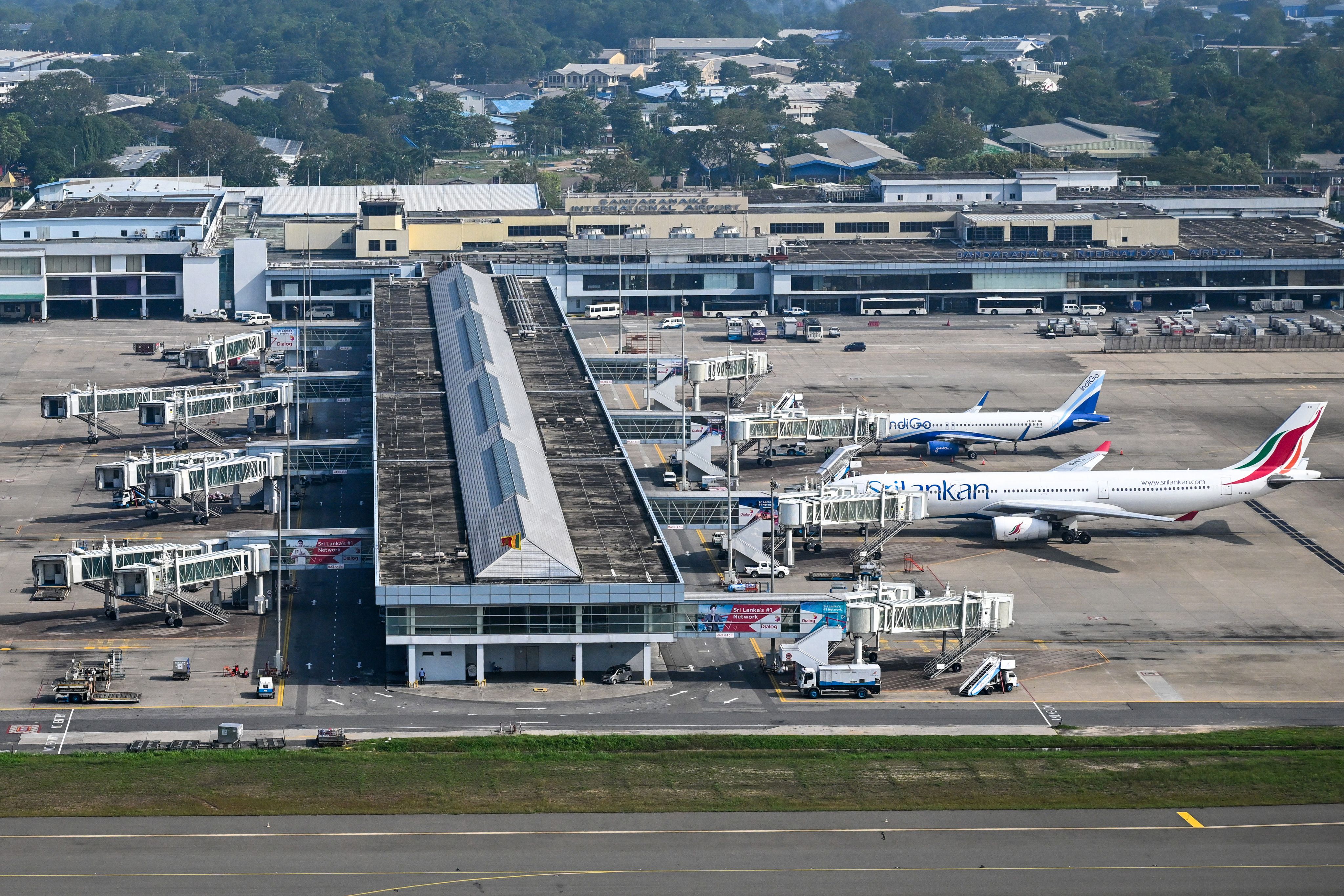
Police detained Senadheera after he arrived at Colombo’s Bandaranaike International Airport on February 11 and transferred him to the Criminal Investigation Department, according to multiple news reports. He was due to appear in court on Thursday.
Senadheera’s detention relates to a long-running contempt of court case linked to reporting on the violent assault of journalist Upali Tennakoon in 2009, those reports said.
“The detention of Sandaruwan Senadheera is a de facto attack on press freedom in Sri Lanka and will have a chilling effect on public interest reporting,” CPJ Asia-Pacific Program Coordinator Kunal Majumder. “Sri Lankan authorities should immediately release Senadheera and ensure that any legal proceedings against him respect due process and do not criminalize legitimate journalism.”
In 2016, Sri Lankan authorities issued an international arrest warrant for Senadheera for alleged contempt of court. A magistrate ruled that Lanka-e-News’ publication of a photograph identifying a suspect in the attack on Tennakoon could have interfered with an identification parade.
Senadheera had travelled to Sri Lanka from England, where he has lived in exile for 16 years, to seek Ayurvedic treatment for his poor health, reported Lanka-e-News, adding he did so at the invitation of Sri Lankan President Anura Dissanayake.
He fled Sri Lanka after colleagues at Lanka-e-News faced threats and attacks for their work, including the 2010 disappearance of contributor Prageeth Ekneligoda.
The Criminal Investigation Department did not immediately reply to CPJ’s emailed request for comment.
Facts Only
Sandaruwan Senadheera, editor of Lanka-e-News, was detained by Sri Lankan police on February 11, 2026, at Bandaranaike International Airport in Colombo.
He was transferred to the Criminal Investigation Department.
Senadheera was due to appear in court on March 12, 2026.
The detention is related to a contempt of court case from 2009 involving Lanka-e-News’ reporting on the assault of journalist Upali Tennakoon.
A magistrate ruled that Lanka-e-News’ publication of a photograph identifying a suspect in the Tennakoon assault could have interfered with an identification parade.
Sri Lankan authorities issued an international arrest warrant for Senadheera in 2016.
Senadheera had lived in exile in England for 16 years before returning to Sri Lanka.
He traveled to Sri Lanka for Ayurvedic treatment for poor health, reportedly at the invitation of President Anura Dissanayake.
Lanka-e-News staff, including contributor Prageeth Ekneligoda, faced threats and attacks, leading to Senadheera’s exile.
Ekneligoda disappeared in 2010.
The Committee to Protect Journalists (CPJ) called for Senadheera’s immediate release and respect for due process.
The Criminal Investigation Department did not respond to CPJ’s request for comment.
Executive Summary
Sri Lankan authorities detained Sandaruwan Senadheera, editor of the exile news website Lanka-e-News, upon his arrival at Colombo’s Bandaranaike International Airport on February 11, 2026. He was transferred to the Criminal Investigation Department and was scheduled to appear in court on March 12. The detention stems from a contempt of court case linked to Lanka-e-News’ 2009 reporting on the assault of journalist Upali Tennakoon, specifically the publication of a photograph identifying a suspect, which a magistrate ruled could have interfered with an identification parade. Senadheera, who has lived in exile in England for 16 years, returned to Sri Lanka for Ayurvedic medical treatment, reportedly at the invitation of President Anura Dissanayake. His exile followed threats and attacks against Lanka-e-News staff, including the 2010 disappearance of contributor Prageeth Ekneligoda. The Committee to Protect Journalists (CPJ) has called for his immediate release, arguing that the detention undermines press freedom and due process. The Criminal Investigation Department has not responded to requests for comment.
The case highlights ongoing tensions between press freedom and legal proceedings in Sri Lanka, with Senadheera’s detention raising concerns about the criminalization of journalism. While authorities cite contempt of court, critics argue the charges are politically motivated, given Lanka-e-News’ history of investigative reporting and the risks faced by its staff. The situation remains unresolved, with Senadheera’s legal proceedings pending and international advocacy groups monitoring the case closely.
Full Take
The strongest version of this narrative frames Senadheera’s detention as a direct threat to press freedom, emphasizing the chilling effect on investigative journalism in Sri Lanka. The CPJ’s stance is credible: the contempt charge stems from a 2009 case where a photograph’s publication was deemed to interfere with legal proceedings—a debatable interpretation of journalistic practice. The context of Senadheera’s exile, the disappearance of Ekneligoda, and the pattern of threats against Lanka-e-News lend weight to the argument that this is not merely a legal matter but a targeted suppression of dissent. The invitation from President Dissanayake adds a layer of irony, suggesting either a calculated trap or a miscommunication with grave consequences.
Patterns detected: ARC-0024 Ambiguity (the "contempt of court" charge hinges on a subjective interpretation of journalistic interference), ARC-0043 Motte-and-Bailey (authorities may retreat to "due process" while the broader effect is censorship).
Root cause: The paradigm here is the tension between state authority and press freedom in post-conflict societies. Sri Lanka’s history of violence against journalists and the use of legal mechanisms to silence critics reveal a systemic pattern where institutions weaponize ambiguity to stifle dissent. The assumption that legal proceedings are apolitical is untenable when the context includes disappearances, exile, and presidential invitations that lead to arrest.
Implications: For human agency, this case signals that even exiled journalists are not safe from retrospective legal action, eroding trust in reconciliation efforts. The beneficiaries are those who seek to control narratives—whether state actors or their allies—while the costs are borne by journalists, civil society, and the public’s right to information. Second-order consequences may include increased self-censorship among Sri Lankan media and a reinforcement of the country’s reputation as hostile to press freedom.
Bridge questions: What evidence exists that the 2009 photograph genuinely compromised the legal process, versus being a pretext? How does President Dissanayake’s invitation square with the detention—was this a coordinated move or a bureaucratic failure? What would it take for international bodies to treat this as a systemic issue rather than an isolated case?
Counterstrike scan: A bad actor pushing this narrative would amplify the "contempt of court" framing to discredit Senadheera as a reckless journalist while downplaying the exile context. They might flood the discourse with legalistic arguments to obscure the pattern of repression. The actual content does not fully match this—it includes critical context and CPJ’s advocacy—but the selective focus on "due process" by authorities could align with such a playbook. The lack of response from the Criminal Investigation Department is a red flag, as transparency would counter suspicions of bad faith.
Sentinel — Human
The article exhibits strong human-authored traits, including natural phrasing, specific attributions, and contextual depth, with minimal stylometric or coherence red flags.