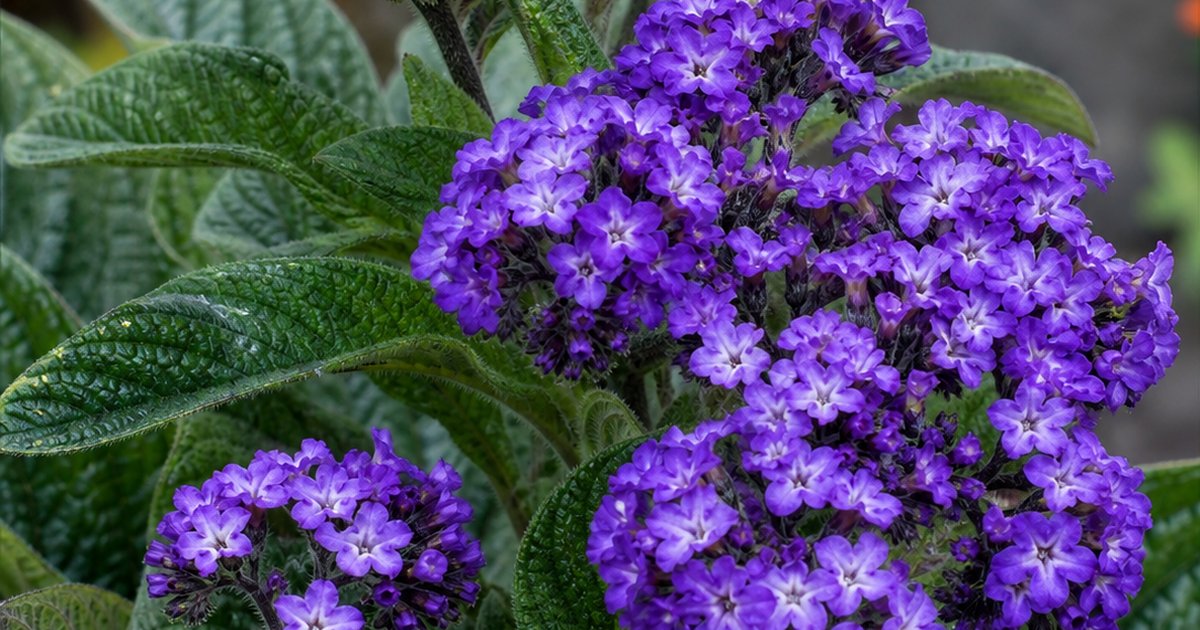
If you are looking to add a layer of sensory magic to your garden, Heliotropium (commonly known as Heliotrope) is an essential choice. Known for its intoxicating, vanilla-like scent—which many gardeners compare to cherry pie—this plant brings both visual depth and an incredible fragrance to the Northern Colorado landscape.
Why Heliotropium is a Front Range Favorite
In the sunny, high-altitude environment of Fort Collins, Heliotrope stands out as a sophisticated addition to any garden bed or container. It is particularly valued for several key traits:
- Heat-Resilient Beauty: As a heat-resilient variety, Heliotrope can thrive in the warm summer days of the Front Range.
- Rich Color Palette: Its deep purple, blue, or white flower clusters provide a lush, velvety texture that contrasts beautifully with the bright, reflected light typical of Colorado.
- Pollinator Appeal: The sweet fragrance is a powerful lure for local butterflies and bees, making it a functional part of a backyard habitat.
- Adaptable Habit: Whether used in the ground or as a centerpiece in a pot, its mounding growth habit keeps it looking tidy throughout the season.
Designing with Heliotrope
To achieve a high-end "Better Homes" look, place Heliotrope where its fragrance can be most appreciated. It is a perfect candidate for:
- Patio Containers: Plant it in pots near seating areas or outdoor dining spaces to enjoy its scent on warm summer evenings.
- Entryway Borders: Use it to line walkways or front porches, providing a welcoming aromatic "hello" to guests.
- Sensory Gardens: Its unique texture and smell make it a cornerstone for gardens designed to be touched and smelled.
Perfect Pairings for the Fort Collins Landscape
Heliotrope’s deep, saturated colors look best when paired with plants that offer a brighter contrast or complementary structures. In our local climate, consider these companions:
- Agastache (Hyssop): The spiky, vertical form of Agastache provides a dynamic architectural contrast to the rounded flower clusters of Heliotrope.
- Angelonia: These "Summer Snapdragons" offer an elegant, upright structure that complements the mounding shape of the Heliotrope.
- Gomphrena (Globe Amaranth): The playful, button-like globes of Gomphrena add a whimsical touch next to the dense, velvet-like blooms of Heliotrope.
- Silver-Foliage Plants: Pairing deep purple Heliotrope with silvery plants like Artemisia or Dusty Miller creates a sophisticated, "cool" palette that looks stunning under the intense Colorado sun.
A Pro-Tip for Local Success
Heliotrope loves the sun but performs best in Fort Collins when provided with rich, well-draining soil and consistent moisture. In the height of July, a little bit of afternoon shade can help prevent the dark foliage from becoming too stressed by the high-altitude UV rays.
Are you looking to create a specific fragrant corner in your garden this year?
Facts Only
* Heliotropium is known for an intoxicating, vanilla-like scent.
* The plant is noted for being heat-resilient.
* Heliotropium features deep purple, blue, or white flower clusters.
* The plant has a mounding growth habit.
* Heliotropium serves as a lure for local butterflies and bees via fragrance.
* The plant is recommended for planting in patio containers and entryway borders.
* Suggested plant pairings include Agastache, Angelonia, and Gomphrena.
* Silver-foliage plants like Artemisia or Dusty Miller are suggested for pairing.
* Heliotropium performs best with rich, well-draining soil and consistent moisture.
* Afternoon shade is suggested during July to mitigate stress from high-altitude UV rays.
Executive Summary
Full Take
Sentinel — Human
The text exhibits the polished flow and structured nature of high-quality blogging but contains specific, localized details and sensory language that strongly suggest human authorship and regional expertise.