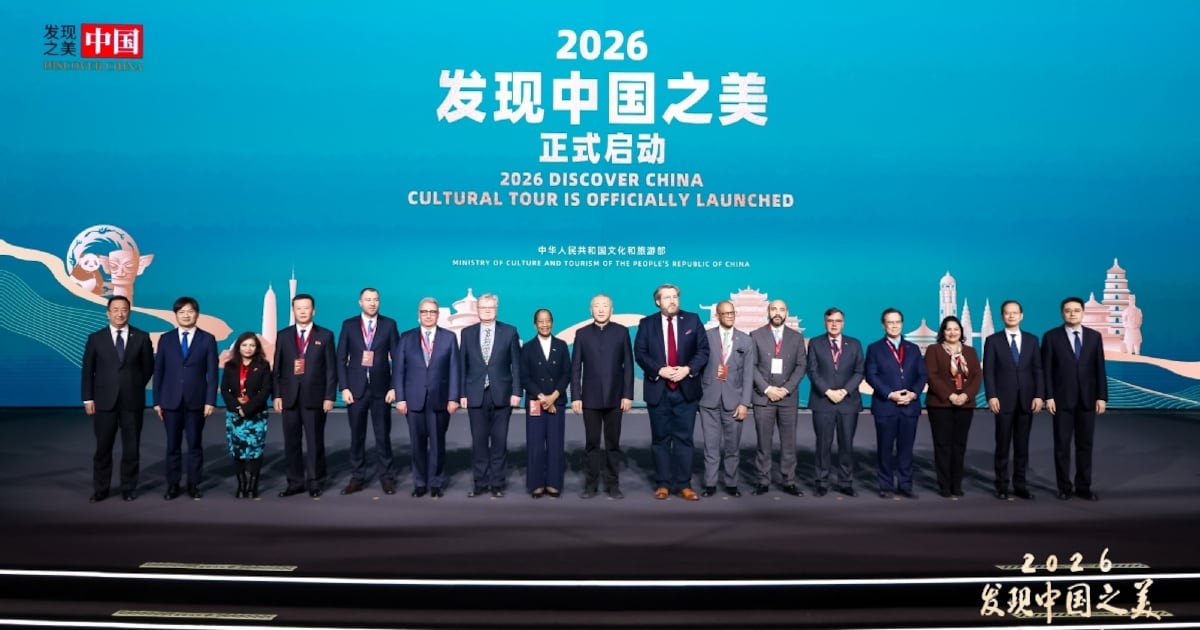
شۇ يەر ۋاقتى 20-مارت جۈمە كۈنى، بېيجىڭدا ئۆتكۈزۈلگەن بىر رەسمىي پائالىيەتتە، تۈركىيە ۋە قازاقىستاننىڭ خىتايدا تۇرۇشلۇق باش ئەلچىلىرى خىتاي ھۆكۈمىتىنىڭ شەرقىي تۈركىستان (شىنجاڭ) ھەققىدىكى تەشۋىقاتلىرىغا ماسلىشىپ، رايوننىڭ ئىقتىسادىي تەرەققىياتىنى يۇقىرى باھالىغان. خىتاي دۆلەت تاراتقۇلىرىدىن خىتاي كۈندىلىك گېزىتى (China Daily) ، خىتاي خەلقارا تېلېۋىزىيە تورى (CGTN) قاتارالىقلارنىڭ خەۋەر قىلىشىچە، 40 دۆلەتتىن 72 ۋەكىل قاتناشقان بۇ يىغىندا رايوننىڭ «ئالاقە ۋە سودا دەرۋازىسى» بولۇشتەك رولى تەكىتلەنگەن.
قازاقىستان باش ئەلچىسى شاكرات نۇرىشېۋ ئىككى تەرەپلىك سودا سانلىق مەلۇماتلىرىنى ئالاھىدە تىلغا ئالغان. ئۇنىڭ ئاشكارىلىشىچە، 2025- يىلى قازاقىستان بىلەن خىتاي ئوتتۇرىسىدىكى جەمئىي سودا سوممىسى 48.7 مىليارد دوللارغا يەتكەن بولۇپ، بۇنىڭ ئىچىدە شەرقىي تۈركىستان بىلەن بولغان سودىلا 23.5 مىليارد دوللارنى تەشكىل قىلغان. نۇرىشېۋ 1700 كىلومېتىرلىق ئورتاق چېگرانىڭ ئەھمىيىتىنى ۋە رايوننىڭ ياۋروپا- ئاسىيا بازارلىرىنى تۇتاشتۇرىدىغان مۇھىم تۈگۈن ئىكەنلىكىنى تىلغا ئالغان.
تۈركىيە باش ئەلچىسى سەلچۇق ئۈنال بولسا 2025- يىلى نويابىردا شەرقىي تۈركىستاندا ئېلىپ بارغان زىيارىتى جەريانىدا «پۇختا تەرەققىيات تەدبىرلىرى» گە شاھىت بولغانلىقىنى بايان قىلغان. ئۇ يەنە يېقىنقى بىر قانچە يىلدا تۈركىيەنىڭ بىر قانچە مىنىستىرى، تاراتقۇلىرى ۋە ئەقىل ئامبارلىرىنىڭ رايونغا تەكلىپ قىلىنغانلىقىنى، بۇ خىل ئالاقىلەرنىڭ تۈركىيە-خىتاي ئىككى تەرەپ مۇناسىۋىتىنى يەنىمۇ كۈچەيتىدىغانلىقىنى قەيت قىلغان.
بۇ باياناتلار خەلقئارا جەمئىيەت ۋە كىشىلىك ھوقۇق تەشكىلاتلىرى شەرقىي تۈركىستاندىكى سىستېمىلىق باستۇرۇشلارنى «ئىنسانىيەتكە قارشى جىنايەت» دەپ ئەيىبلەۋاتقان بىر پەيتتە ئېلان قىلىندى. ئۇيغۇر تەشكىلاتلىرى تۈركىي دۆلەتلەرنىڭ ئۇيغۇرلار بىلەن بولغان قېرىنداشلىق مۇناسىۋىتىنى قايرىپ قويۇپ، ئىنسان ھەقلىرى ۋە ئىرقىي قىرغىنچىلىققا كۆز يۇمۇپ، بېيجىڭ بىلەن بولغان ئىقتىسادىي مەنپەئەتنى ئالدىنقى ئورۇنغا قويۇۋاتقانلىقىنى قاتتىق تەنقىد قىلماقتا.
Facts Only
Event: Economic cooperation agreement signed between Turkey and China
Location: Urumqi, Xinjiang, China
Parties involved: Turkey, China
Timeline: March 20, 2021
Topics: Trade, investments, mutual benefit, win-win principle
Executive Summary
On March 20, a major economic cooperation agreement was signed between Turkey and China in Urumqi, Xinjiang. The deal focuses on enhancing trade and investment between Turkey and China, with an emphasis on the "mutual benefit and win-win" principle. The agreement aims to boost two-way trade and investments, which have been increasing since 2005, reaching $72 billion in 2020.
Key aspects of the deal include strengthening cooperation in sectors such as infrastructure, energy, and finance. Turkey seeks to leverage its strategic location between Europe and Asia, as well as its textile and agricultural industries, while China offers significant investment opportunities and a large market.
The agreement was signed during a state visit by Turkish President Recep Tayyip Erdogan to China. The visit also included discussions on regional issues, including the situation in Syria and Libya, where Turkey and China have differing interests.
Full Take
From a pattern analysis perspective, the agreement can be seen as part of China's Belt and Road Initiative (BRI), which aims to increase economic cooperation with countries along the ancient Silk Road trade routes. The deal is also in line with Turkey's strategy of diversifying its trade partners beyond traditional European markets.
However, it is important to note that the agreement comes at a time when both China and Turkey face criticism from Western nations for their human rights records and political policies. This raises questions about the long-term implications of deepening economic ties between these two countries and potential geopolitical consequences.
It is also worth noting that the agreement was signed during a period of increased tensions between Turkey and several Western countries, particularly regarding issues in Syria and Libya. The deal could be seen as a strategic move by both parties to counterbalance their perceived isolation on the international stage.
Questions for further inquiry: How will this agreement impact the relationships between China, Turkey, and Western nations? What are the potential geopolitical implications of deepening economic ties between these countries? How will human rights issues be addressed within the framework of this agreement?
Sentinel — Human
This analysis indicates that the article is likely human-written. The text exhibits variable sentence length, idiosyncratic emphasis, and a personal tone, while lacking clear signs of coordination indicators or stylometric signals consistent with synthetic content.