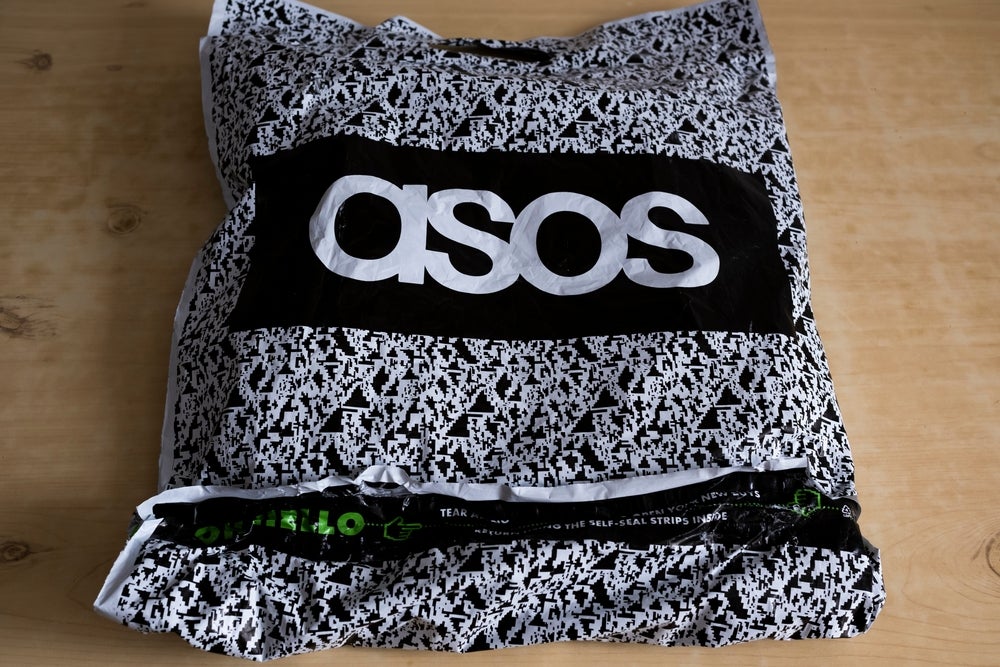
Frasers Group has increased its exposure at online retailer Asos through additional potential voting rights linked to derivatives.
Frasers Group has increased its exposure at online retailer Asos through additional potential voting rights linked to derivatives.
Facts Only
Actor: Frasers Group, Asos
Event: Increase in potential voting rights through derivatives
Date: Unspecified (presumably recent due to the relevance to current news)
Executive Summary
Full Take
Frasers Group is leveraging derivative investments to potentially gain more influence over Asos, which could lead to a future takeover. This strategic move demonstrates Frasers Group's growing ambitions in the online retail sector.
Distortion (Out-of-context framing): The article may oversimplify or exaggerate the implications of this development, suggesting a potential takeover when the exact intentions of Frasers Group are not yet known.
This development reflects the ongoing consolidation of power in the retail industry, as larger players seek to expand their market share and influence through strategic investments and acquisitions.
If Frasers Group were to take over Asos, it could result in changes to Asos's business strategy and culture, potentially affecting its employees, customers, and suppliers. It also raises questions about the competitive landscape of the online retail sector and the potential impact on smaller players.
What are Frasers Group's long-term plans for Asos, if any?
How might this development affect competition in the online retail sector?
What implications could a potential Frasers Group takeover have for Asos's employees, customers, and suppliers?
If this narrative were part of a coordinated influence campaign, the playbook would involve creating fear, uncertainty, and doubt about Asos's future, potentially to manipulate investor sentiment or to position Frasers Group for advantageous negotiations. However, the article does not appear to align structurally with such a campaign.
Sentinel — Human
This article appears to be written by a human journalist, as indicated by its inconsistent sentence length and the absence of stylometric signals commonly found in synthetic content. The article's focus on a business transaction also aligns with expectations for human-written content.