Dive Brief:
- Canadian payments processor Nuvei has appointed three executives, including some from outside the company, to build out its C-suite as the company named a new chief operating officer as well as a new chief product and technology officer and a new chief financial officer.
- The company named Samir Zabaneh as its chief operating officer; Eli Rosner as its chief product and technology officer; and David McLaughlin as its chief financial officer, according to a Wednesday press release, tasking them with pursuing the company’s next stage of global growth.
- In highlighting the new appointments, Nuvei’s CEO and chair, Phil Fayer, said that the company is focused on adapting to operate across markets, payment methods and channels, with the three new leaders strengthening the company’s “ability to execute globally while continuing to scale our infrastructure for every payment.”
Dive Insight:
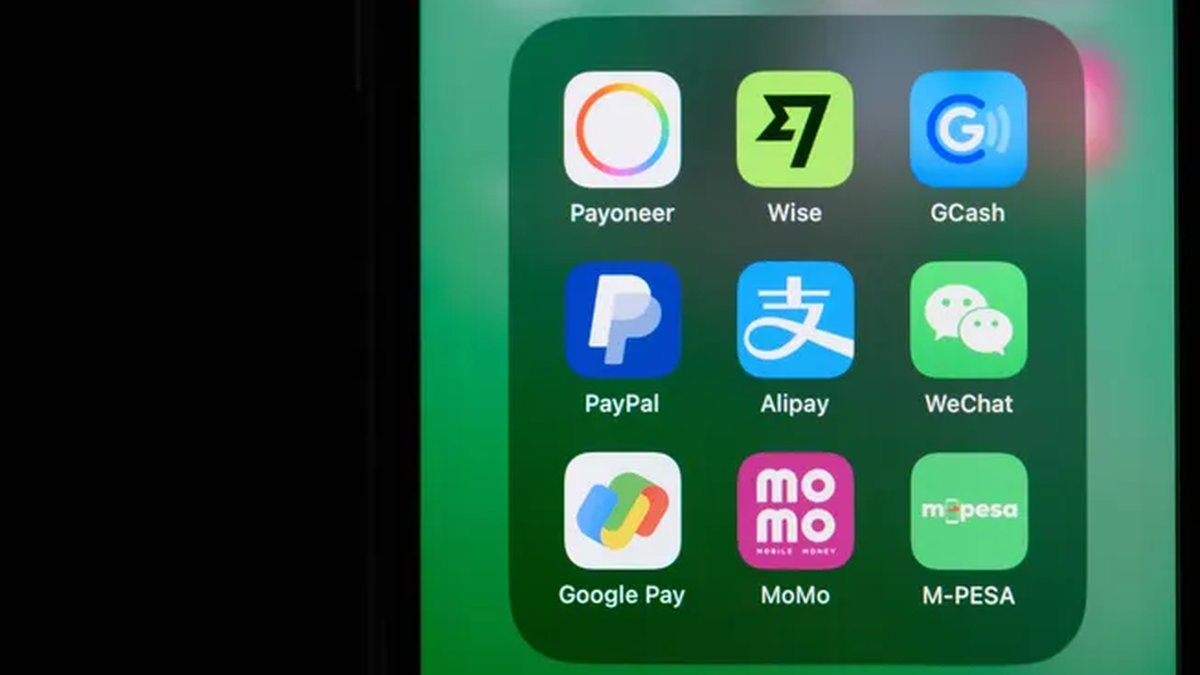
The changes come shortly after Nuvei announced a deal for New York-based Payoneer Global for $2.75 billion last month in an effort to build a bigger cross-border commerce business, the companies said.
Zabaneh was previously chairman and CEO of the restaurant point-of-sale company TouchBistro and previously held a top executive global business services post at Fiserv.
Rosner most recently worked in a different industry as the chief product and technology officer at HealthEquity, but he also held executive roles at the payments companies Finastra and NCR in the past.
Despite Nuvei’s announcement Thursday, McLaughlin appears to have held his CFO post at Nuvei since April, based on his LinkedIn profile. Most recently, he was chief financial officer at the gift card company Blackhawk Network Holdings.
David Schwartz, the company’s former CFO, “continues to support with the transition” to McLaughlin while the company’s prior chief product officer, Moshe Selfin, has left the company, a Nuvei spokesperson said by email. Nuvei didn’t previously have a chief operating officer, he added.
By merging with Payoneer, the combined business aims to better serve corporate clients, with “a more complete platform to accept payments, send funds, issue cards, manage treasury and FX needs, and access embedded financial services – at scale,” Fayer said at the time.
Payoneer is expected to enhance Nuvei’s ability to process payments for small and mid-sized businesses, especially e-commerce sellers and freelancers, including in emerging markets. The combined company will also gain connectivity with leading online marketplaces, including Amazon.com, Fiverr, and eBay that could make the processor more attractive to small and mid-sized businesses.
The company also expects the bigger operation to improve its approach in two evoling payments areas, namely agentic commerce and artificial intelligence plays.
On that front, Nuvei announced Thursday that it had completed a proof-of-concept transaction in Europe using AI agents in conjunction with card network Visa and other payments firms. “A merchant's AI agent initiated a product purchase on a shopper's behalf and paid inside the agent, with no hand-off to a separate payment flow,” Nuvei said in a Thursday press release.
Sentinel — Human
The text exhibits strong human journalistic characteristics through specific attribution and complex contextual linking, suggesting it was written by a human reporter or highly refined by one.